Medical professionals in Japan treated a patient with an innovative stem cell therapy for Parkinson disease, achieving a global milestone after the country granted the treatment conditional approval.
Sumitomo Pharma, a Japanese drugmaker, stated that medical staff performed the initial transplant at Kyoto University Hospital during October.
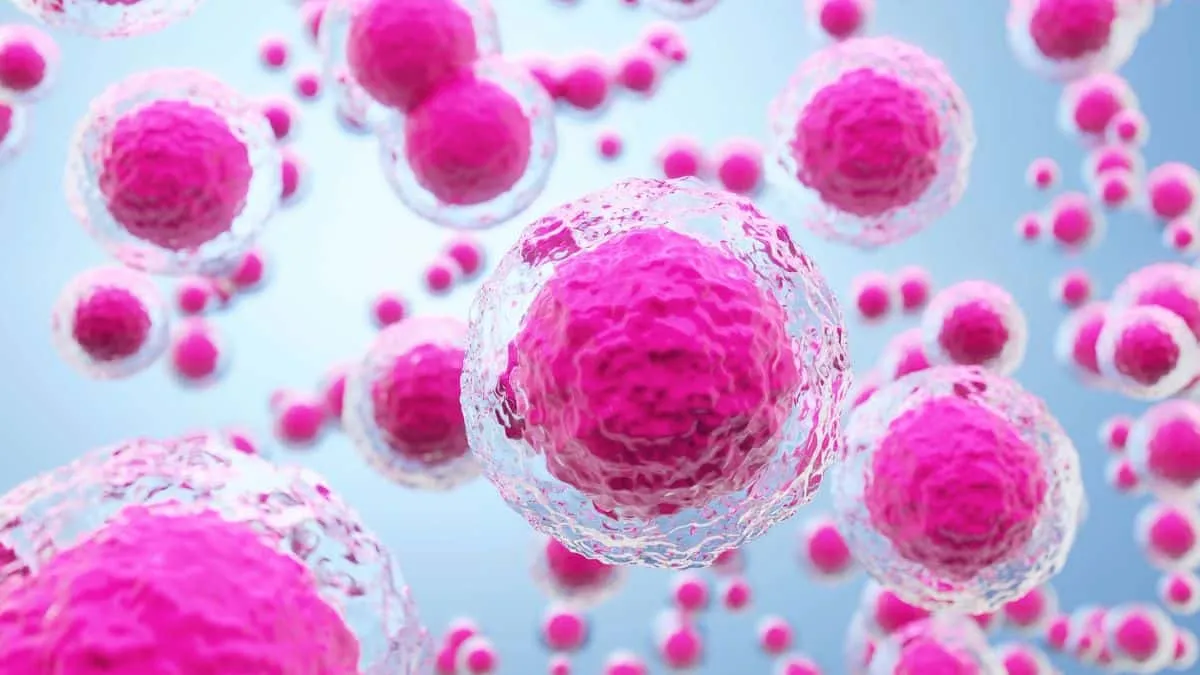
The procedure requires surgeons to place millions of induced pluripotent stem cells inside the brain of a patient. Such cells possess the ability to transform into various human cell types, presenting fresh options for neurological conditions.
Regulatory authorities in Japan provided conditional clearance for the method in March following a successful clinical study.
Parkinson disease functions as a long-term and advancing neurological condition impacting the motor system of the body. The illness frequently triggers tremors, rigidity, and movement challenges.
The Parkinson Foundation estimates that more than 10 million individuals globally live with the illness. Current therapies primarily manage symptoms without halting or decelerating the advancement of the disease.
This novel approach uses induced pluripotent stem cells generated by resetting adult specialized cells back to an earlier developmental phase.
Sumitomo Pharma sources these cells from healthy donors, cultivating them into precursor cells capable of generating dopamine. This factor holds high significance because individuals suffering from Parkinson disease gradually lose dopamine producing brain cells.
Seven participants aged between 50 and 69 underwent the experimental procedure throughout the clinical study.
Physicians placed either five million or 10 million cells into both hemispheres of each participant's brain. Investigators tracked the individuals across two years and observed no serious negative reactions.
Symptom relief occurred in four out of the seven participants as well.
Sumitomo Pharma intends to conduct procedures on 20 to 30 individuals prior to March 2029, building on the study outcomes. The organization runs a separate clinical trial for the method inside the United States too.
Media reports in Japan indicate the therapy might secure full clearance domestically if safety and efficacy receive confirmation across the coming seven years.