More than 3,000 children required hospital treatment for chickenpox last year, according to newly released figures. While the infection is typically mild and improves independently at home, the UK Health Security Agency (UKHSA) is now advising parents of eligible children to arrange vaccinations.
This appeal follows the inclusion of chickenpox protection in the standard childhood immunisation schedule this past January, delivered through the combined measles, mumps, rubella, and varicella (MMRV) vaccine.
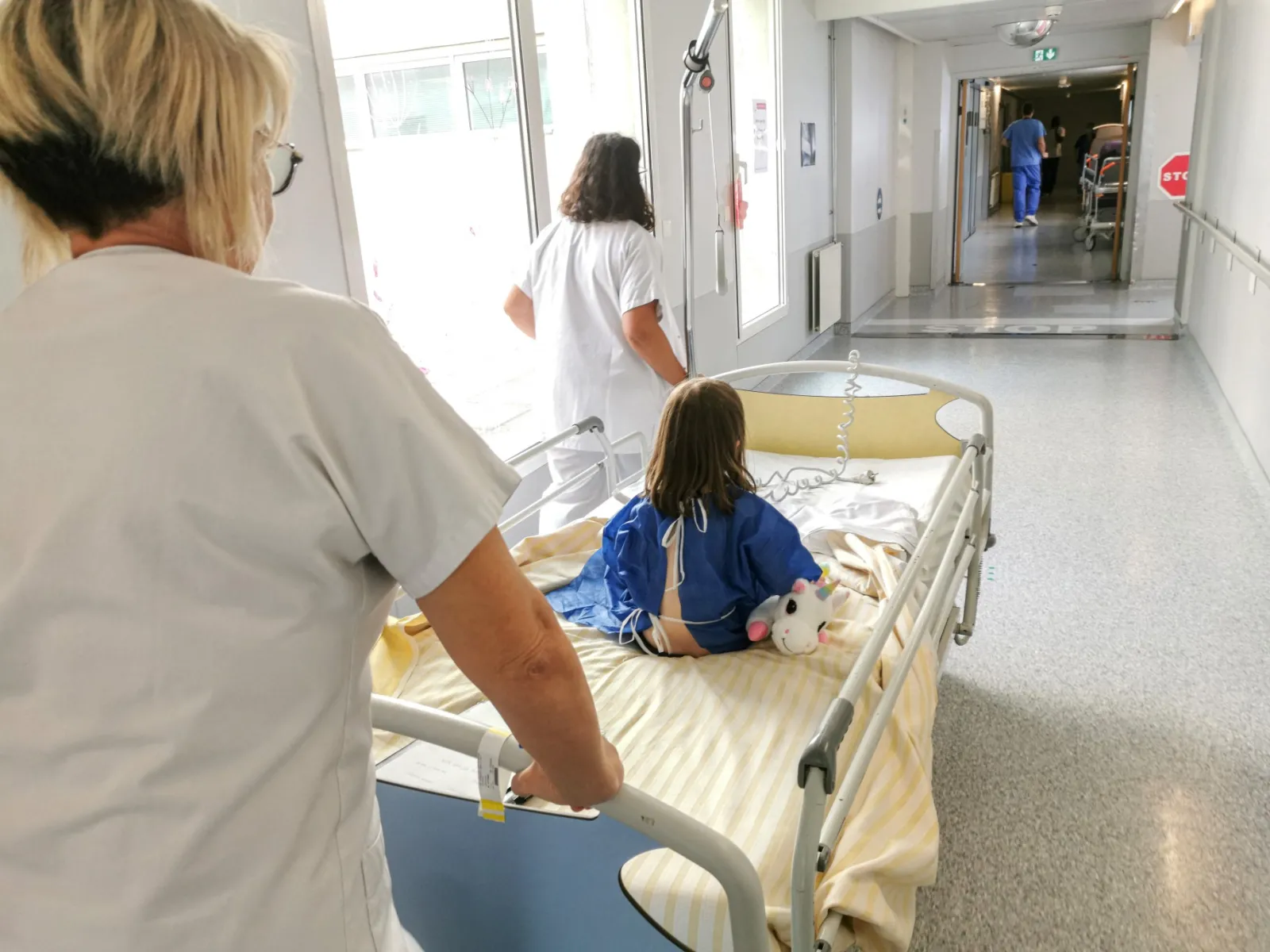
Data from the UKHSA records 3,037 chickenpox hospital admissions among children and young people under 18 during 2025. The highest admission rates occurred in the youngest age groups, particularly infants under one year old.
Dr Gavin Dabrera, a consultant epidemiologist at the UKHSA, stated: “Chickenpox might seem like a mild illness that children simply have to get through, but these figures reveal the true toll this nasty disease can inflict on children, especially the very young.”
Dame Diana Johnson, minister for public health and patient safety, added: “Chickenpox can be really unpleasant for children and, in some cases, lead to serious complications.”
Monitoring across roughly one-third of GP practices in England also indicated more than 15,000 general practitioner consultations for chickenpox among under-18s throughout 2025. Children aged 5 and under experienced the heaviest impact, representing over 70 per cent of all clinical reports submitted to regional UKHSA teams.
The agency noted that these numbers represent only a fraction of the actual national burden. Last year, a limited sample of nearly 440 primary schools and nurseries logged 4,117 absences due to the illness.
Chickenpox spreads easily and impacts most children, typically resolving within one to two weeks without medical intervention, though it can become severe for some individuals. Symptoms include an itchy spotty rash anywhere on the body, high temperature, aches, pain, loss of appetite, and general malaise.
When Does Your Child Get the Chickenpox Vaccine?
The roll-out of the chickenpox vaccine started in January 2026. Since then, children receive the MMRV jab, protecting against measles, mumps, rubella, and varicella.
Two doses are administered, given at 12 months and 18 months of age. Older children receive a chickenpox dose as a booster if they previously received the MMR vaccine without varicella.
Here is how eligibility works based on birth dates:
- 01/01/2025 or later: Two doses of MMRV at 12 months and 18 months
- 01/07/2024 to 31/12/2024: Already had MMR vaccine at 12 months. Two doses of MMRV at 18 months and 3 years 4 months.
- 01/09/2022 to 30/06/2024: Already had MMR vaccine at 12 months. One dose of MMRV at 3 years 4 months.
- 01/01/2020 to 31/08/2022: Already had MMR vaccine at 12 months and 3 years and 4 months. Selective catch-up from 1 November 2026 to 31 March 2028 for those who have not yet had chickenpox infection or 2 doses of varicella vaccination.
- 31/12/2019 or before: Not eligible [already had MMR vaccine at 12 months and 3 years and 4 months].
Families should contact their GP surgery if vaccination is needed for household members.
Infected individuals must stay away from school or work until all spots scab over, usually five days post-appearance. Avoiding scratching is crucial to prevent scarring.
Dr Dabrera stated: “No parent wants to see their children needlessly suffering in hospital. That is why it is so important that all parents of eligible children, as well as the older catch-up groups, get their children vaccinated as soon as invited.”
Dame Johnson stated: “We want every child to have the healthiest possible start in life, which is why we introduced the chickenpox vaccine into the routine childhood programme.”
Dr Amanda Doyle, director for primary care and community services, added: “The NHS is making it easier than ever before to get a vaccine, which is the best way we can protect children from preventable illness. So, please come forward for care if you are eligible.”