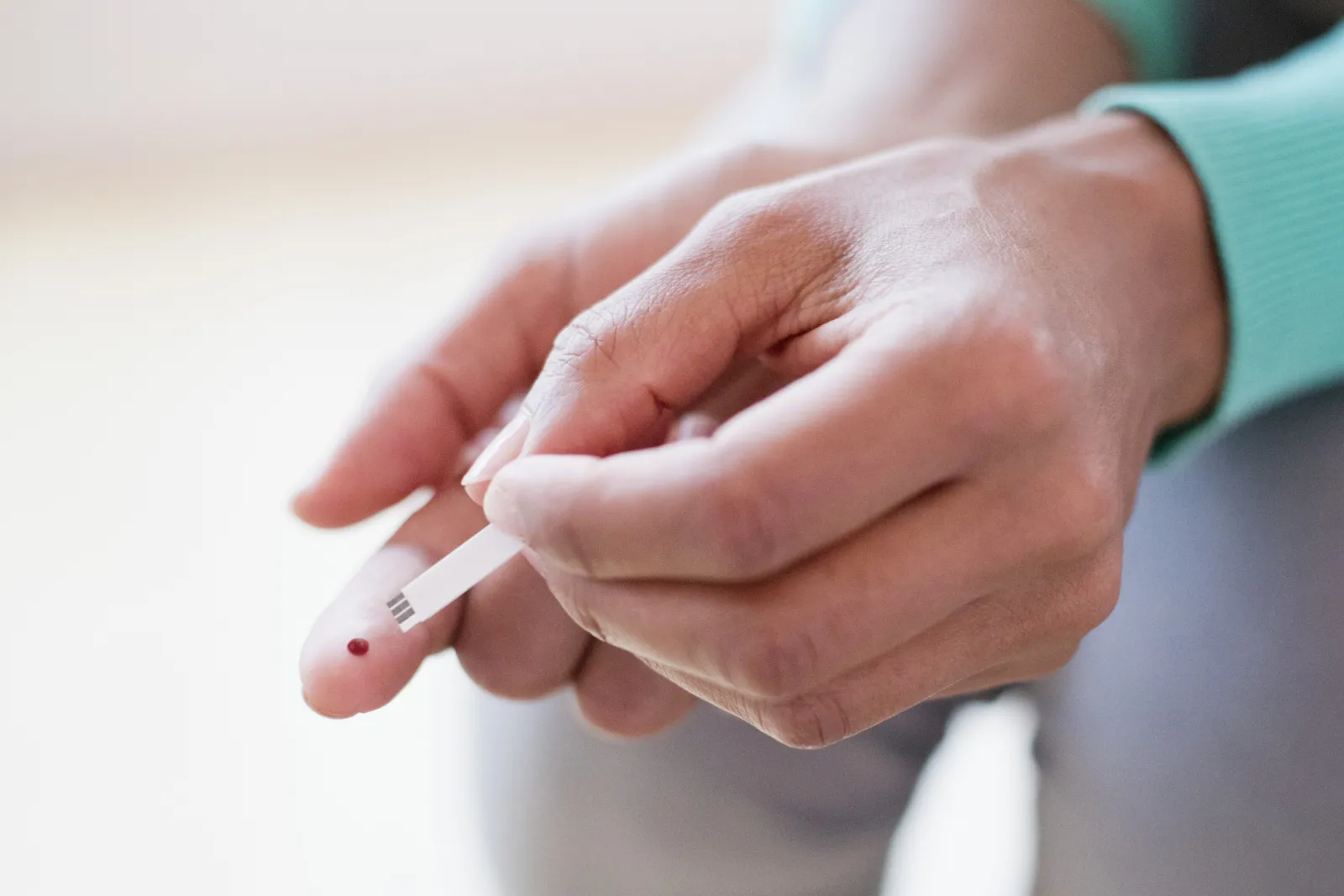
Consumer group Which? issued a warning about unreliable results from at-home vitamin D tests after evaluating five popular rapid testing kits purchased from various brands.
According to Which?, significant discrepancies appeared when rapid self-testing kit outcomes were measured against a laboratory blood test. The consumer organization purchased five readily accessible rapid vitamin D tests from Boots, Berkeley Health, MyHealthChecked, OneStep, and Newfoundland, with each kit priced at around £8.
Outcomes from a single individual were evaluated against a Care Quality Commission registered laboratory test performed on the identical day, which revealed vitamin D levels residing inside a sufficient range. Levels exceeding a reading of 50 nmol/L generally count as a sufficient amount of vitamin D. Meanwhile, rapid tests apply a higher threshold of 75 nmol/L as a sufficient level, which causes more individuals to be marked as insufficient relative to an NHS-ordered blood test. Under this standard, the Which? researcher ought to have fallen inside the insufficient category.
Outcomes supplied by MyHealthChecked and OneStep pointed to insufficient levels, whereas the outcomes from Newfoundland and Berkeley Health pointed to deficient levels.
Which? cautioned that faulty outcomes might cause buyers to experience needless anxiety regarding their well-being, receive false reassurance, or spend cash on high-dose supplements they do not require, which could endanger their health. The organization transmitted the discoveries from its probe to the Medicines and Healthcare products Regulatory Agency. The regulator stated it is currently examining existing rules, with planned modifications designed to elevate standards for self-tests.
Which? advised that anyone worried about their vitamin D levels ought to consult a qualified healthcare professional instead of depending solely on a rapid home test, especially prior to making choices regarding supplement consumption.
Sue Davies, who serves as Which? head of consumer rights and food policy, stated, "People turn to at-home health checks for peace of mind and as a way of managing their own health so it is deeply concerning that tests sold by major high street brands and online gave completely contradictory results."
A spokesperson representing Boots and MyHealthChecked stated, "Our rapid self-test kits provide customers with a convenient screening option to help them better understand their health, with tests sold compliant with the relevant regulations." The spokesperson added, "Our pharmacy teams are available to offer advice and support, including helping customers understand their results, whether self-testing is appropriate for their individual circumstances and whether further advice from their GP may be beneficial."
Newfoundland Diagnostics stated that its performance data formed part of a wider body of evidence considered during regulatory assessment. Berkeley Health stated that the clinical evidence supporting its tests was sufficient to meet the compliance requirements for CE marking.
All rapid self-tests must be registered with the Medicines and Healthcare products Regulatory Agency as diagnostic devices and meet the requirements of the EU In Vitro Diagnostic Directive.