How A Cheap Medication Ended Years Of Heavy Drinking
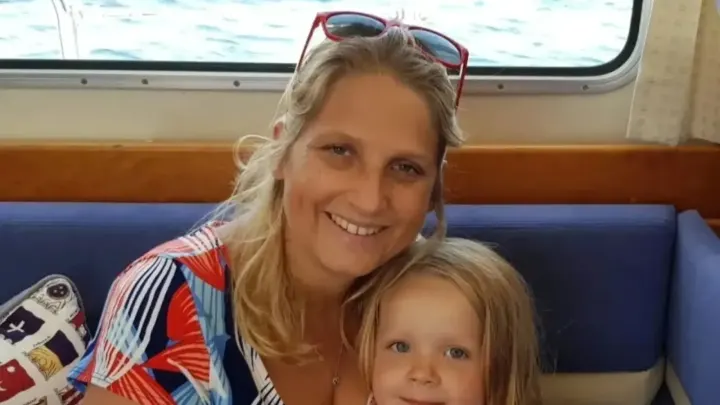
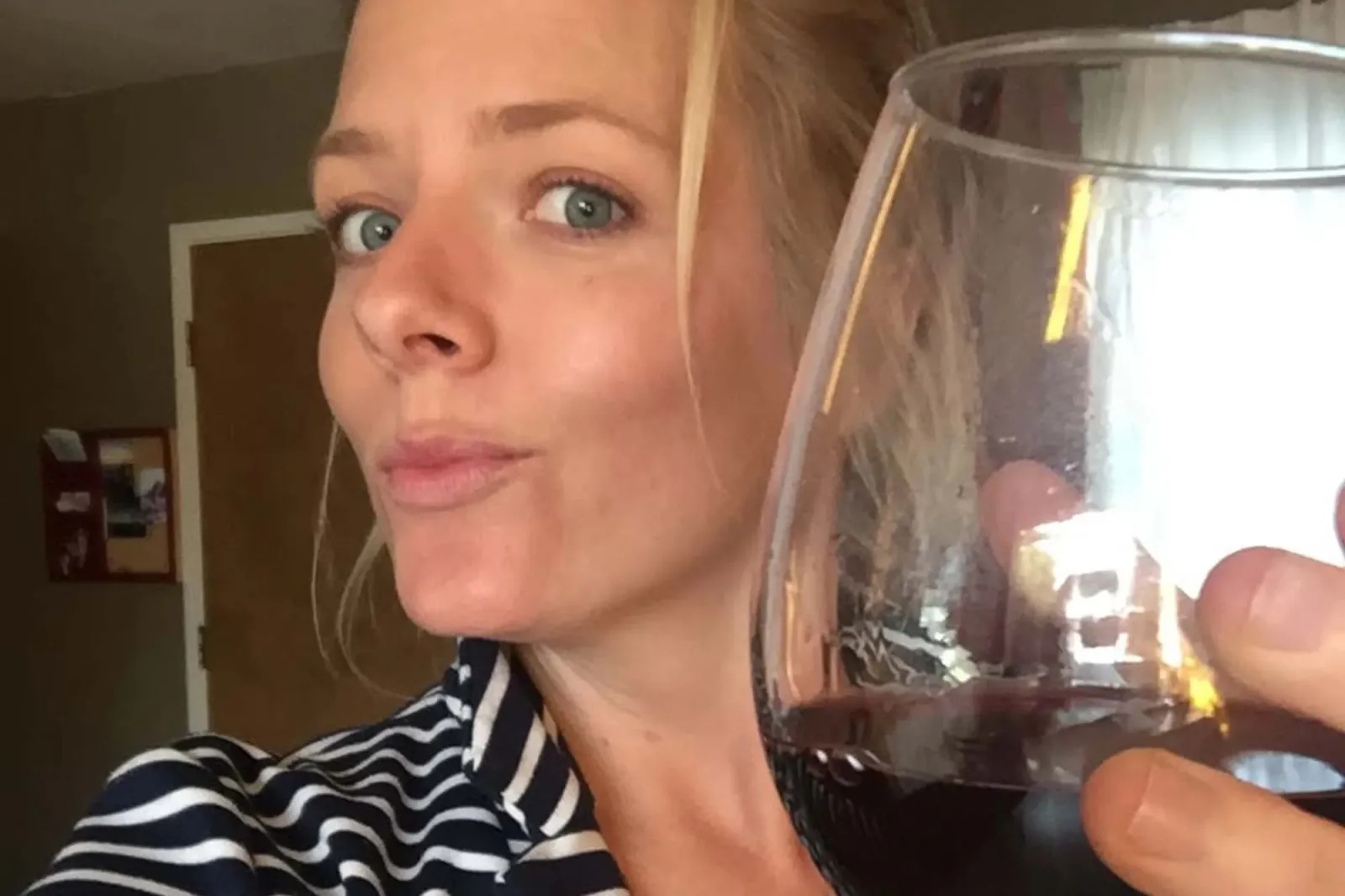
Katie Lain, a 38-year-old living in Monterey, California, spent years hiding her severe alcohol addiction, driving drunk, and suffering extreme hangovers. Her life transformed in July 2017 after she discovered a pharmaceutical treatment involving a £3 daily pill known as the Sinclair Method, which quickly curbed her cravings.
Reflecting on her past struggles, Katie told Sun Health, “I regularly drove drunk, and I’d keep alcohol in the car.”
“I’d plan my whole day around drinking, and I projectile vomited over a colleague at work once because my hangover was that bad.”
Katie founded Thrive Alcohol Recovery, an addiction program, and has maintained sobriety for seven years. Her heavy drinking began to spiral around 2008 when she was 21 and dating a heavy drinker, eventually consuming more than a bottle of wine every night.
Statistics show that four in five adults in the UK drink alcohol, with 24 per cent exceeding the recommended 14 units weekly. Government figures from last year indicate that over 608,000 adults in the UK admit to alcohol dependence.
Finding The Sinclair Method
In July 2017, Katie discovered the Sinclair Method through a TEDx Talk. The approach uses naltrexone, a medication taken before drinking that blocks opioid receptors in the brain to eliminate cravings and stop the addiction cycle.
The treatment costs about £100 for a month's supply, which is around £3 a day. Although licensed in the UK, it is currently unavailable on the NHS as an off-label treatment for alcohol addiction.
After five GPs refused to prescribe it or insisted on prior rehab, a sixth doctor agreed. Katie took her first dose in July 2017.
“The doctor suggested I drink every day on the medication for the first 30 days,” Katie said. “So that right there tells you how different it is as a treatment plan for alcoholics.”
“I remember thinking ‘Great, I have an invitation to drink’ – but by day four, I didn’t really want to drink.”
What is naltrexone and the Sinclair Method?
The Sinclair Method helps people unlearn addictive behaviours by using pharmacological extinction to reduce cravings without requiring immediate abstinence.
“By harnessing a process called ‘pharmacological extinction’, it helps people regain control over alcohol, reducing cravings and harmful drinking without requiring abstinence from day one,” founder Dr John David Sinclair said.
First approved in 1984, naltrexone temporarily blocks the dopamine rush from alcohol and other substances, breaking the reward loop. It costs about £100 for a month’s supply and has few side effects.
The 6 signs you’re a borderline alcoholic
By Jenny Francis-Townson, Health Journalist and Personal Trainer
Dr Dave Nichols, an NHS GP and medical adviser at MyHealthChecked, outlined six signs of problematic drinking:
- Drink alcohol every day without thinking about it
- Binge-drink regularly
- Only socialise where drink is involved
- Drink regularly during the day
- Find it annoying when others are not drinking
- Drink more than the NHS guidelines every month.
The NHS recommends drinking no more than 14 units spread across three days or more. Hazardous drinking ranges from 14 to 35 units weekly for women and 14 to 50 units for men.
How to cut back
If you are worried about your drinking, experts recommend seeing your GP and using support services.
- Kickstart it: A sober event such as Dry January or Sober October gives you a target to stick to.
- Sober socialising: Dr Nichols suggests socialising without booze through exercise classes, dog walks, cinema trips, or coffee shops.
- You’re not alone: Following others' journeys and sharing your own can help, so look for local groups or communities on social media.
- Get inspired: Listening to others talk about their journey could help you feel more positive and accepting of yours.
Support is available through organizations such as Drinkline at 0300 123 1110, Alcoholics Anonymous, Al-Anon, Adfam, and Nacoa at 0800 358 3456.