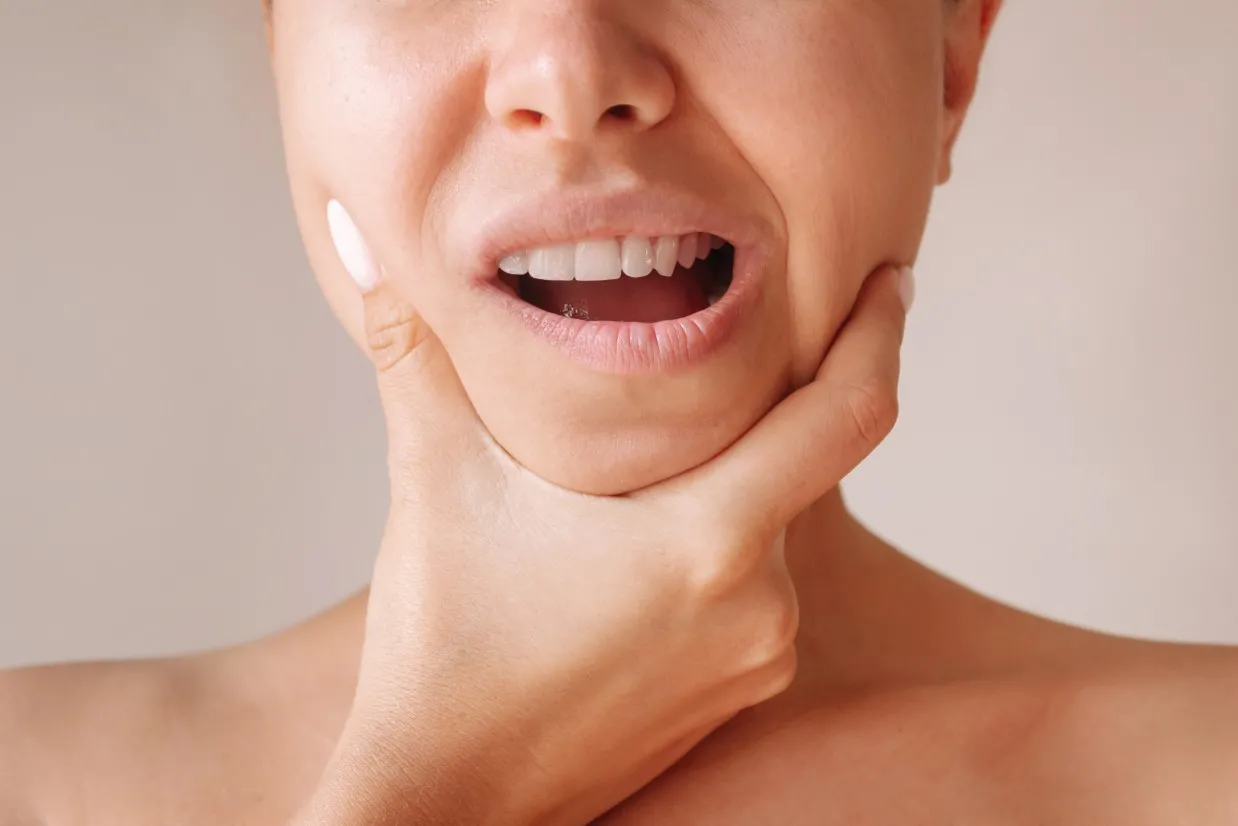
Tooth pain and bleeding gums are commonly dismissed as minor inconveniences easily managed with painkillers and better oral hygiene routines. Dental professionals emphasise that people should never wait to get checked out at the clinic if concerned, simply to rule out rare but life-threatening diseases that might be hiding behind everyday discomfort.
From wobbly teeth to a sore jaw and puffy gums, these warning signs might seem like straightforward dental problems that earn patients a warning about brushing habits. In rare cases, identifying the root cause could make a critical difference to overall health outcomes. Experts across the healthcare sector stress that the mouth serves as a window into the wider body, revealing systemic conditions that require urgent medical attention beyond standard dental care.
How Puffy or Bleeding Gums Can Signal Heart Disease
Sore, bleeding gums are the most frequent early indicator of gum disease, and while common, they definitely should not be ignored, according to Dr Debbie Zotou, a restorative and cosmetic dentist at London's Ten Dental. People suffering from periodontitis face a higher risk of heart and circulatory problems due to how inflammation spreads throughout the body. Inflamed gum tissue allows oral bacteria to enter the bloodstream easily, while chronic periodontal inflammation contributes to systemic inflammation that plays a significant role in cardiovascular disease.
Research published in the Journal of Indian Society of Periodontology notes that periodontitis associates with around a 20 per cent increase in cardiovascular risk. While direct causation between gum disease and heart problems remains unproven, dental experts view oral health as an essential component of overall wellbeing. Similar bidirectional links exist with diabetes, where both conditions influence each other.
Early intervention remains vital because the initial stage of gum disease, known as gingivitis, is completely reversible through professional cleanings and improved home care routines. Left untreated, gingivitis progresses into advanced periodontitis, destroying the bone and tissue that anchor teeth in place. This advanced stage requires deep cleaning below the gumline through root surface debridement alongside regular professional maintenance. Anyone experiencing regular gum bleeding for more than a week or two, accompanied by swelling or receding tissue, should book an appointment with a general practitioner or dental surgeon.
Why Wobbly or Loose Teeth May Indicate Osteoporosis
While advanced gum disease stands as the primary cause of loose teeth, dental professionals warn that wobbly teeth can also point to systemic conditions such as osteoporosis. Dr Pippa Nicholls, founder of Dimples Oral Care, explains that osteoporosis reduces bone density throughout the entire body, potentially including the jawbone. This reduction in bone mass increases susceptibility to bone loss specifically around the dental roots.
Menopausal women face a higher prevalence of this issue because declining oestrogen levels directly affect both skeletal density and gum tissue health. Statistics from The Royal Osteoporosis Society show that approximately 3.5 million people live with osteoporosis in the UK, with half of women and 20 per cent of men over the age of 50 experiencing a bone fracture due to the condition. Medical management for osteoporosis often involves medications like bisphosphonates to maintain bone density, while menopausal women may receive hormone replacement therapy alongside calcium and vitamin D supplements.
Understanding Severe Toothache, Sinus Infections and Bruxism
An aching tooth often stems from localized problems such as tooth decay, a cracked structure, a broken filling, an abscessed root, or an emerging wisdom tooth. However, the source of pain is not always dental in origin. Sinus infections and teeth grinding can easily mimic severe toothache symptoms.
The physical pressure from congested or inflamed sinuses irritates the nerves situated around the roots of upper back teeth, producing a dull, persistent ache. This discomfort typically subsides as sinus inflammation clears up through hydration, saline nasal rinses, and standard pain relief recommended by a doctor. Another frequent culprit is bruxism, or teeth grinding, which places excessive pressure on dental structures and surrounding jaw muscles.
Dr Nicholls notes that bruxism causes sensitivity, jaw pain, headaches, and bruising of the ligaments surrounding tooth roots, which creates tenderness when biting down. Under extreme pressure, teeth can even fracture. Dentists frequently prescribe custom-made night guards to protect teeth from grinding forces, alongside relaxation techniques and jaw exercises. Patients experiencing toothache accompanied by facial swelling, high temperatures, or general malaise should seek immediate professional evaluation to rule out severe bacterial infections.
Pins and Needles in the Mouth and Brain Tumour Risks
Numbness or tingling sensations inside the mouth are typically harmless. Dr Zotou explains that local anaesthetics following dental procedures frequently cause numbness that takes several hours to wear off. Allergic reactions to specific foods, cold sores, and deficiencies in vitamin B12, iron, or folate can also trigger these sensations. Furthermore, wisdom tooth extractions or dental implant placements can temporarily bruise nearby nerves, resulting in lingering tingles.
In rare instances, however, persistent pins and needles in the mouth can signal a brain tumour or other serious neurological growths. Sensory information from the teeth, gums, lips, and tongue travels primarily along the trigeminal nerve, a large cranial pathway running from the brain through the skull and jaw. When a growth presses against this nerve pathway, it can cause localized numbness in the face or oral cavity.
A stark reminder of these hidden dangers involves cases where patients initially attributed neurological symptoms to dental issues before receiving life-altering diagnoses. Unexplained numbness lasting more than a few days, worsening over time, or spreading to adjacent areas warrants immediate professional assessment. Dentists perform thorough physical examinations, review dental X-rays to check for local infections, and refer patients to medical specialists when symptoms indicate non-dental origins.