How the iPhone 18 Pro Max Won the Smartphone Battery Test
Apple captured the top spot in a comprehensive battery comparison evaluating 32 different mobile devices. According to CNET, the evaluation used two separate assessments lasting a combined three hours and 45 minutes to measure power consumption under various conditions. The first phase measured battery drain during three hours of Wi-Fi video streaming while screens operated at maximum brightness. The second phase simulated everyday use through video playback, video calls, gaming, and social media for a duration of 45 minutes.
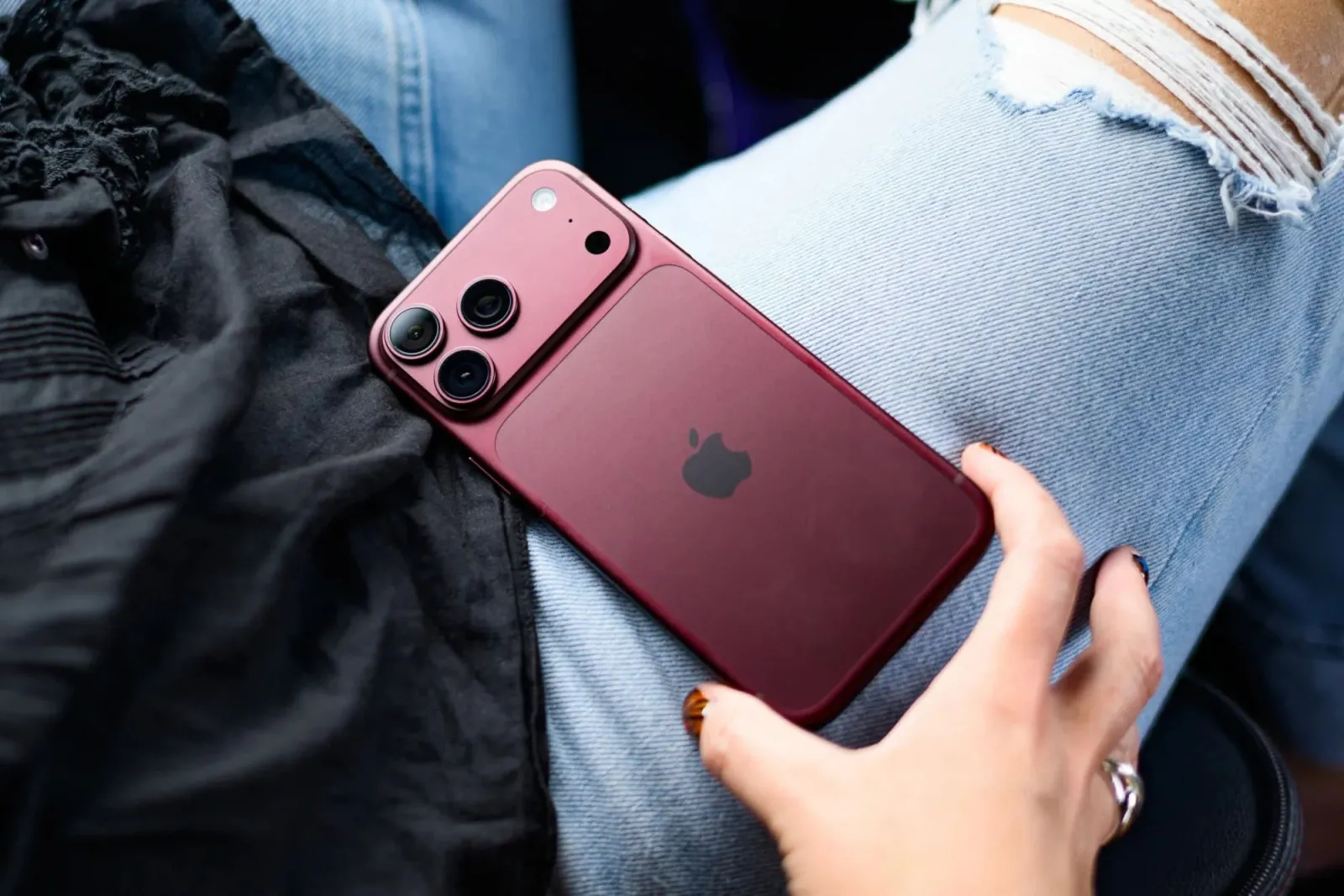
Both trials began with every device charged to a full 100 percent capacity. CNET subsequently averaged the remaining battery percentages from both phases to establish the final rankings. The iPhone 18 Pro Max and Apple's first foldable device, known as the iPhone Duo, delivered the strongest mixed-use results in the entire group. Both of these Apple models finished the mixed-use evaluation with 99 percent battery remaining.
Google's Pixel 11 Pro XL followed closely behind with 97 percent remaining in the same category. This performance represented an improvement over the Pixel 10 Pro XL, which previously managed a 93 percent result. Meanwhile, the smaller iPhone 18 Pro claimed the lead position in the video streaming portion of the evaluation. It retained 94 percent of its power after three hours of continuous playback.
Understanding Apple Hardware Efficiency and the iPhone Duo
CNET attributed the top ranking of the iPhone 18 Pro Max to its physical battery capacity, which is larger than the battery found in the iPhone 17 Pro Max. Hardware efficiency driven by the A20 Pro chip also played a primary role in the device performance. Furthermore, software refinements within iOS 27 optimizations contributed to the winning margin.
Despite matching the iPhone 18 Pro Max in the mixed-use test, the $1,999 iPhone Duo finished in fourth place overall. Its combined results placed it on equal footing with the $699 iPhone 17e and the $1,400 Motorola Razr Ultra. This outcome placed Apple's new foldable alongside two considerably less expensive devices in the final standing.
Apple also secured the top position in manufacturer rankings for average battery performance for the second consecutive year. This category evaluated brands that entered multiple tested models into the comparison. OnePlus secured the second position in the manufacturer rankings.
Broader Trends in Mobile Device Power Management
Despite headline results from individual devices, the broader findings indicate that smartphone longevity has changed very little over recent years. CNET discovered that phones evaluated in 2026 delivered nearly the same average performance as models tested in 2025 and 2024. This suggests that power consumption gains in processors are often offset by higher demands from other hardware components.
Consumers often assume that larger physical power cells guarantee longer operational periods between recharges. However, display technology, processors, and additional hardware features strongly influence energy drain. As a result, capacity ratings alone do not dictate how long a phone survives under standard conditions.
The evaluation also highlighted older or alternative models for buyers seeking value. The iPhone 17 and iPhone 17e emerged as strong recommendations for users seeking better longevity at lower price points. Outside of the Apple ecosystem, the $500 Motorola Moto G Stylus and the $600 Motorola Edge earned spots in the overall top 10.