Apple iPhone 20 Pro Rumored to Feature Titanium Frames
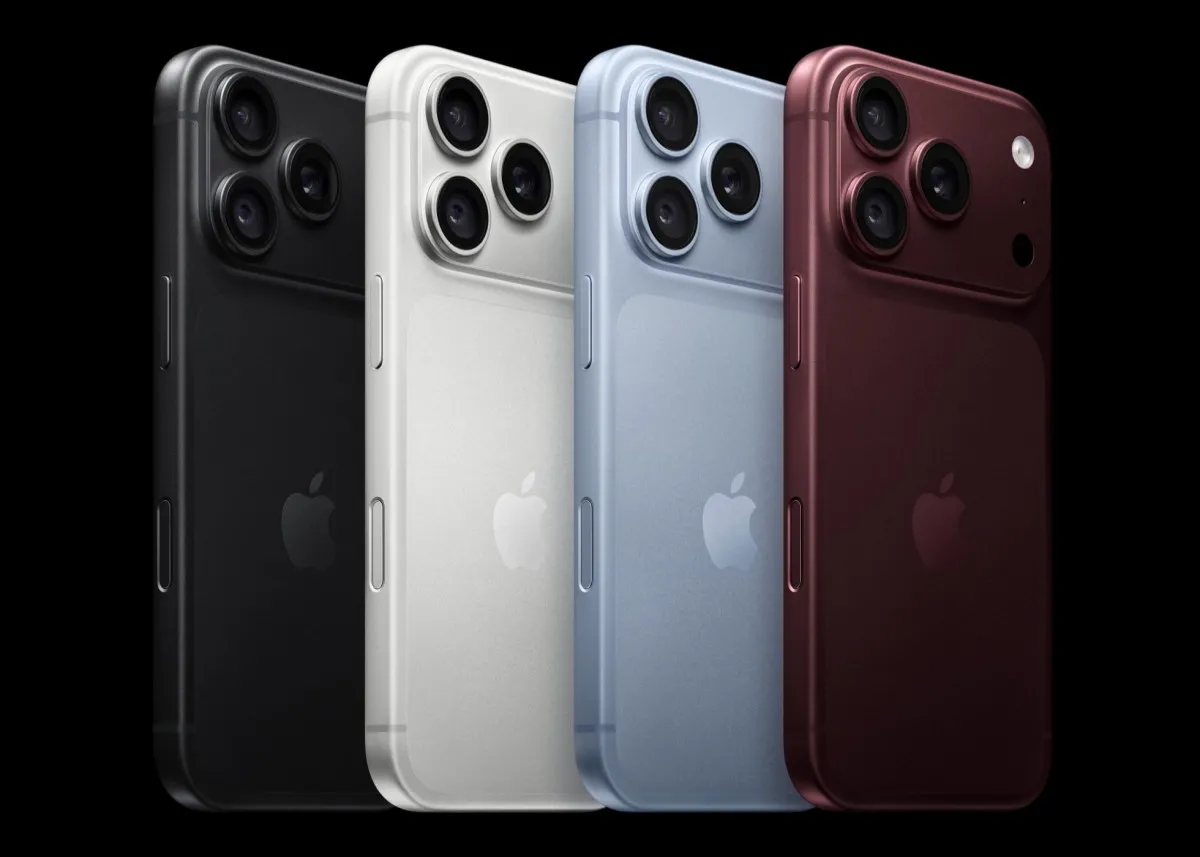
Apple could return to titanium frames with its iPhone 20 Pro lineup in 2027. The company reportedly plans to introduce a curved design with a more rounded frame. According to the leak, Apple has already started early engineering work on a titanium frame. The design is said to resemble the iPhone Air, but with more rounded edges.
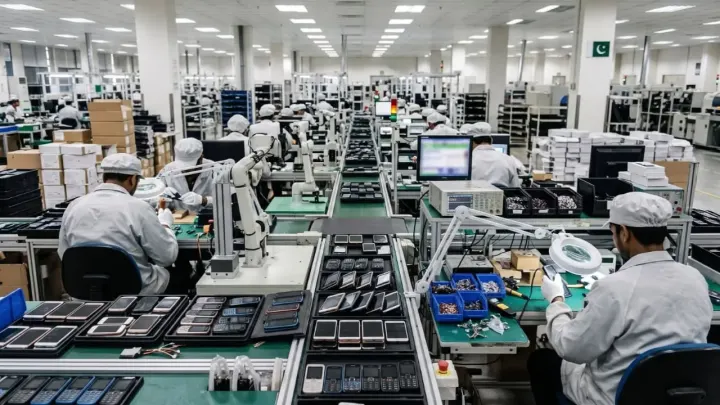
The consumer electronics giant routinely adjusts its choice of metals and construction materials to balance device durability, weight, and thermal performance. Titanium first entered the smartphone lineup when the company launched the iPhone 15 Pro, offering a lighter alternative to stainless steel while maintaining structural strength. Industry watchers monitor these material shifts closely because manufacturing titanium enclosures requires precise CNC machining and complex finishing processes.
Early engineering work typically begins years before a commercial release. Supply chain partners, including primary metal fabricators and assembly contractors, must scale up manufacturing techniques well in advance of a public debut. Shifting from one primary structural metal to another involves coordinating massive supply chains across multiple continents, ensuring that thousands of components fit inside the redesigned chassis without compromising internal cooling systems or battery capacity.
History of Apple iPhone Materials and Recent Shifts
Apple moved away from titanium when it introduced the iPhone 17 Pro and 17 Pro Max. Both models adopted aluminum frames, which were retained in the iPhone 18 Pro series this year. This transition to aluminum marked a notable departure from the heavy-duty metal strategy used in previous high-end generations.
If the latest leak proves accurate, the iPhone 17 Pro and 18 Pro generations will be the only aluminum Pro models since titanium debuted with the iPhone 15 Pro. The choice to use aluminum in recent Pro models helped engineers manage device weight and perhaps reduced production costs during a period of global supply chain adjustments. However, consumer preferences often lean toward premium finishes associated with titanium and stainless steel for flagship handsets.
Smartphone manufacturers continually weigh the trade-offs between aluminum, titanium, and steel. Aluminum offers excellent thermal conductivity and lightweight properties, but it scratches more easily than harder metals unless treated with specialized anodization coatings. Titanium provides a superior strength-to-weight ratio and a distinct tactile feel, though it demands higher production budgets and stricter quality control protocols during mass manufacturing.
Expected Design Influences from the iPhone Air
However, the upcoming anniversary models could bring another material change. The iPhone Air connection also appeared in an earlier leak from August. At the time, the same tipster suggested that the iPhone 20 series would feature a frame inspired by Apple's thin handset.
Integrating design cues from ultra-thin devices into a Pro tier handset suggests a concerted effort to streamline device thickness without sacrificing performance. The iPhone Air concept represents a broader industry push toward sleek, lightweight form factors that reduce hand fatigue during extended use. By combining a slender profile with rounded edges, designers can alter how the handset rests in the palm.
The leak indicates that the new chassis will take inspiration from the thin handset format while retaining the robust internal hardware typically reserved for Pro devices. Balancing a slender profile with advanced camera modules, larger batteries, and powerful processing chips remains a major engineering hurdle. Observers expect the company to share more details about these form factor adjustments as development milestones approach.
Upcoming Device Roadmap and Quad-Curved Glass
Meanwhile, another report suggests Apple is developing four iPhone models for next year. Two of these models are reportedly expected to feature quad-curved glass. These display technologies often dictate how bezels are designed and how the outer frame meets the front and back glass panels.
Quad-curved glass involves bending the display panel slightly along all four edges, creating a seamless transition from the screen to the perimeter frame. This approach reduces visible bezels and changes how touch gestures interact with the outer boundaries of the display. Manufacturing glass with curves on all four sides requires specialized bending machinery and exacting tolerance levels to avoid distortion or touch registration issues.
The broader device roadmap demonstrates how the company staggers architectural updates across different tiers of its product catalog. While standard models receive iterative updates, Pro and anniversary editions often test experimental glass shaping and frame materials. These high-end devices pave the way for manufacturing techniques that eventually filter down to more affordable handsets in subsequent product cycles.
Launch Timeline and Future Development Status
Although the latest report does not specifically mention the Pro Max, previous leaks suggest both Pro models will receive the redesign. Apple is expected to launch the iPhone 20 Pro lineup in September 2027. However, the devices are still in development, so their final designs and specifications could change before launch.
September launch events serve as the traditional window for unveiling flagship mobile hardware, allowing brands to capture holiday sales momentum. Between the early engineering phase and the final production run, engineering teams evaluate prototype performance under various stress tests. Thermal management, drop resistance, and wireless signal transmission tests dictate whether a prototype design moves forward into mass production.
Consumers tracking these developments should note that pre-release leaks do not always reflect the final retail product. Changes in component availability, manufacturing yields, or internal test results can prompt last-minute adjustments. Analysts recommend treating all unconfirmed roadmaps with cautious optimism until official announcements are made by corporate representatives closer to the deployment window.