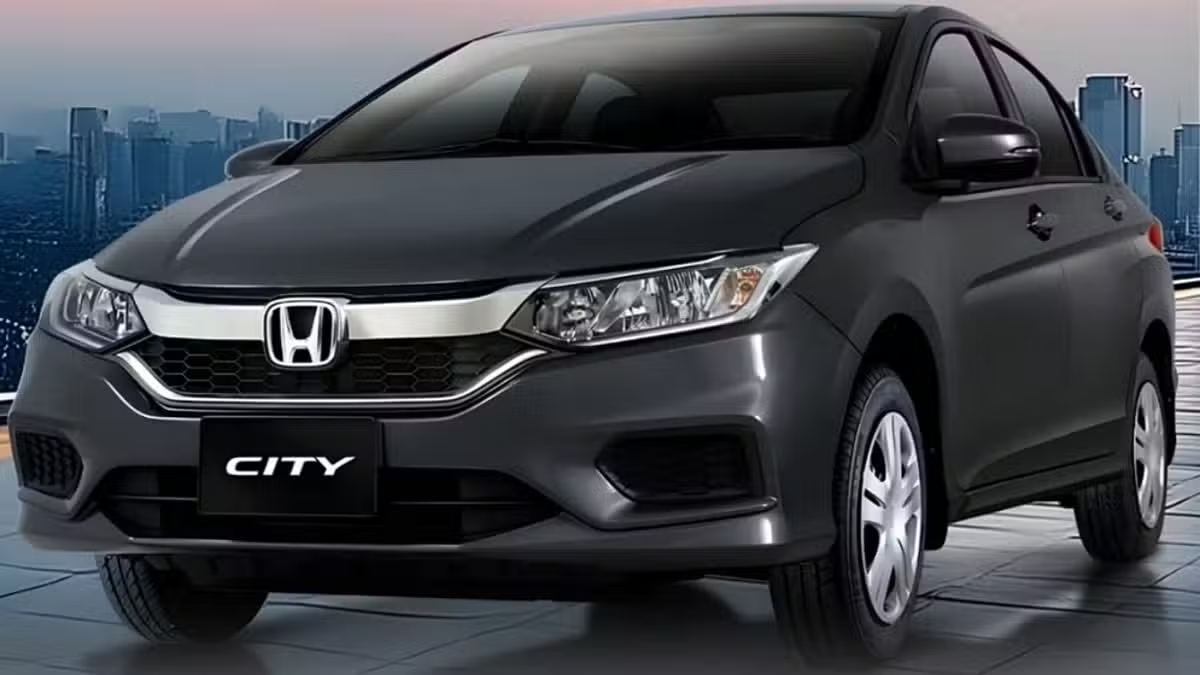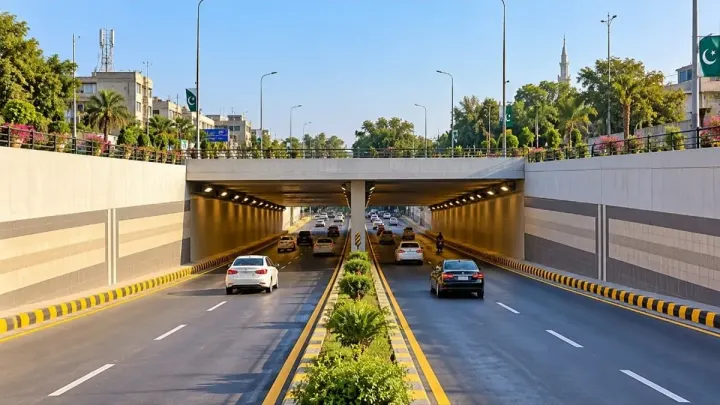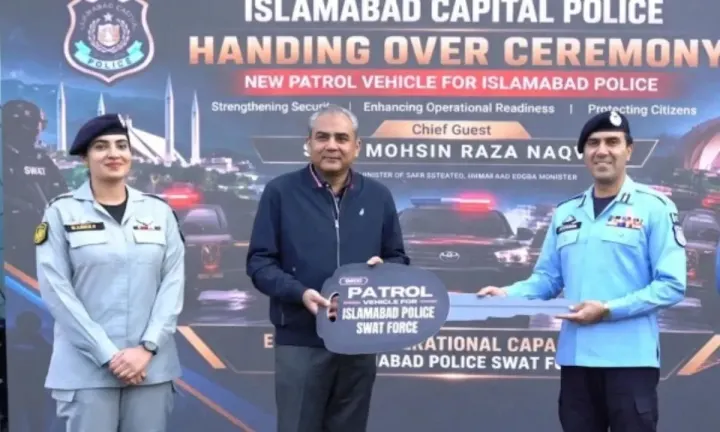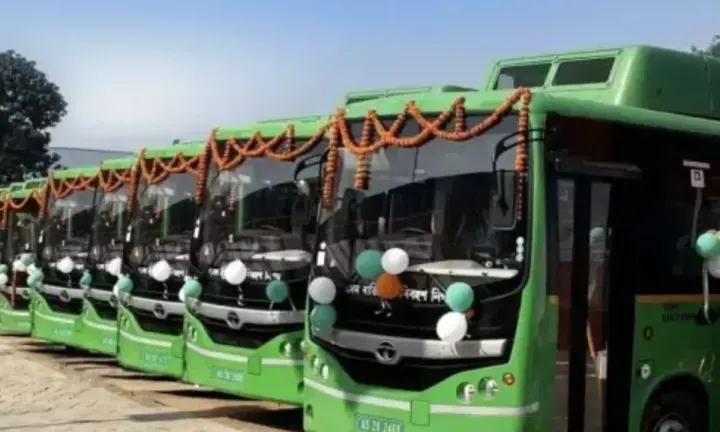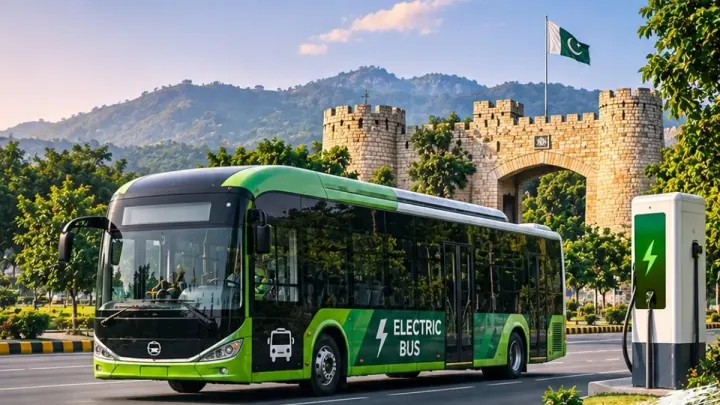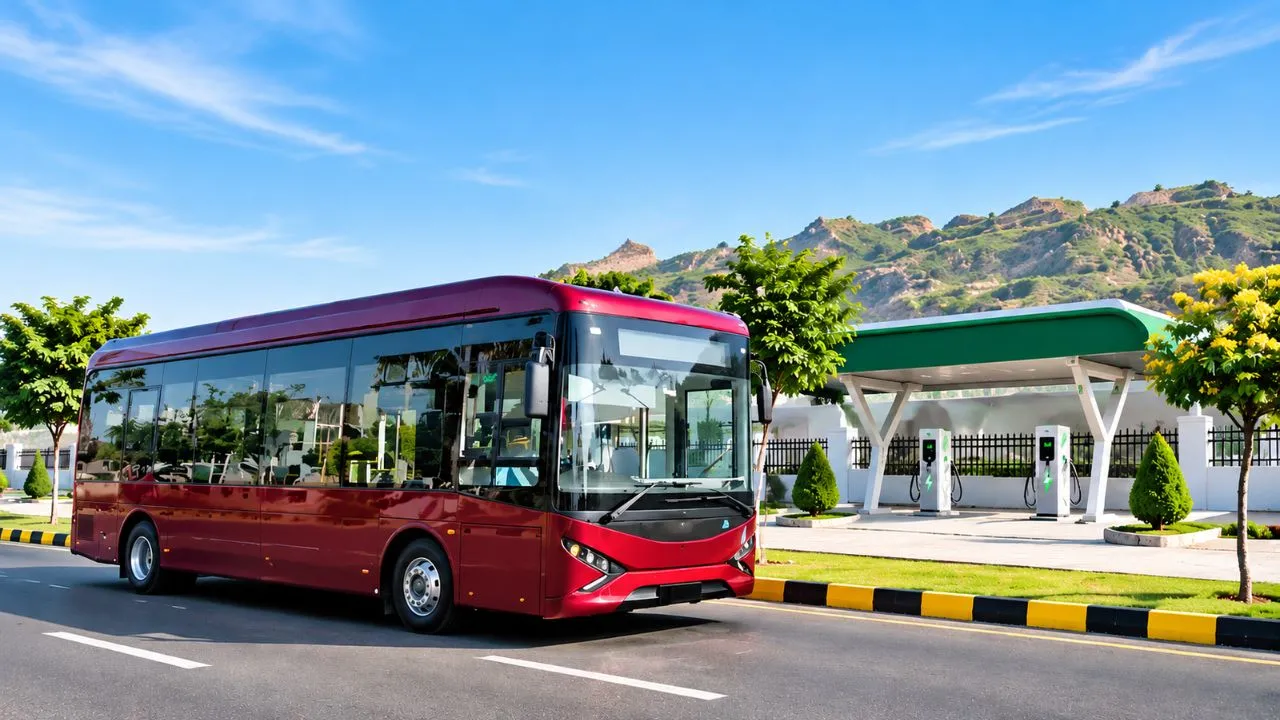
Faisal Hills, a private housing society near Islamabad, is preparing to launch an electric bus service for its residents, with electric buses now arriving at the development.
What the New Service Entails
The initiative will replace conventional fuel-powered buses with electric vehicles to provide local transportation within the society. The buses have already begun arriving at the project, and work is under way to build a dedicated electric vehicle (EV) charging station that will meet the fleet's charging needs. The station's formal inauguration ceremony is expected soon.
Technical Features of the Fleet
Planned buses are said to have dual-charging capability, meaning they can be recharged both from a standard grid connection and from fast-charging infrastructure. They also have a specified driving range, although the exact kilometre figure has not been disclosed. Full technical specifications, including battery capacity and manufacturer details, have not yet been shared publicly.
Why Faisal Hills Is Turning to Electric Buses
Electric public transport is gaining traction in Pakistan as cities seek to reduce air pollution and dependence on imported fuel. Islamabad's Capital Development Authority has encouraged the adoption of electric buses in its broader climate-action plan. For a gated community like Faisal Hills, offering an electric bus service aligns with sustainability goals and can enhance the appeal of the society to environmentally conscious buyers.
Impact on Residents
When operational, the service will give residents an additional transportation option inside the housing society. This could reduce reliance on private cars, lower traffic congestion within the enclave, and potentially cut household transport costs. The exact passenger capacity of each bus, operating hours, and fare structure have not been announced, leaving residents uncertain about how affordable or convenient the service will be.
What Remains Unclear
Key details such as the official launch date, specific bus routes, operating hours, passenger capacity per vehicle, and fare structure have not been disclosed. It is also unclear whether the service will be offered free of charge to residents or if a subscription model will be introduced.
Next Steps and What to Watch For
Authorities at Faisal Hills are expected to hold a formal inauguration ceremony for the EV charging station in the coming weeks. After the station becomes operational, the electric buses will likely undergo trial runs before a full launch. Residents should monitor announcements from the society's management office for the release of a timetable, route map, and pricing details.
Practical Takeaways for Residents
- Stay informed through official society communications for the launch date.
- Prepare for possible changes in daily commuting patterns once the service begins.
- Consider how the new service might affect household transport budgets, especially if fares are introduced.
- Watch for signage at the charging station indicating charging times and safety guidelines.
Background on Electric Mobility in Pakistan
Pakistan's government has set targets to increase the share of electric vehicles in the national fleet, offering tax incentives and reduced import duties for EVs and related infrastructure. Major cities such as Lahore and Karachi have already trialed electric bus corridors, and the Capital Development Authority has begun installing charging points along main arteries. Faisal Hills' move reflects this national trend and demonstrates how private residential projects are adopting public-sector strategies to improve sustainability.
How the Charging Station Works
The planned charging station will support dual-charging capability, allowing buses to plug into standard AC power for overnight charging and to use fast-charging units for rapid top-ups during the day. Dual-charging reduces downtime and ensures that buses can maintain service frequency even during peak demand periods. The station will likely include safety systems such as fire suppression, voltage monitoring, and restricted access to prevent unauthorized use.
Potential Benefits Beyond Residents
While the primary beneficiaries are Faisal Hills residents, the project could serve as a model for other private societies and gated communities across the country. Demonstrating a functional electric bus fleet with an on-site charging hub may encourage similar developments, fostering broader adoption of clean transport solutions in suburban and peri-urban areas.
Challenges Ahead
Implementing an electric bus service involves logistical challenges, including securing a reliable electricity supply, managing battery degradation, and training staff for maintenance. The lack of publicly available technical specifications suggests that the society may still be finalising contracts with manufacturers or service providers. Additionally, setting an appropriate fare structure that balances cost recovery with affordability will be critical to ensuring long-term viability.
Conclusion
Faisal Hills' upcoming electric bus service marks a notable step toward greener mobility for private housing societies near Islamabad. With buses already on site and a charging station under construction, the project is poised to move from planning to operation, though residents will need to await further details on routes, schedules, and pricing before they can fully assess the service's impact.