Iran has demanded that the United States meet seven conditions to end the US-Israel war on Iran, reopen the Strait of Hormuz and resume peace talks.
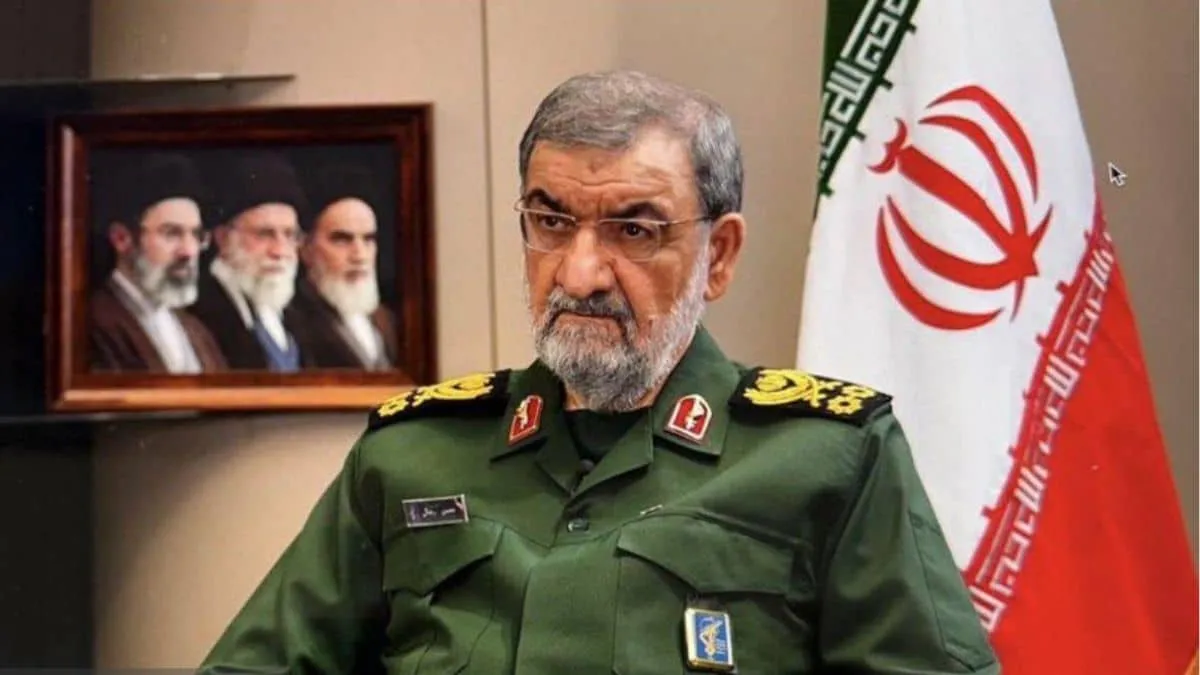
As diplomatic efforts intensify, Major General Mohsen Rezaei, identified in the report as secretary of Iran's Supreme National Security Council, urged Washington to accept Tehran's demands. He also accused the White House of spreading false reports about negotiations.
What Are Iran's Demands?
According to reports, Tehran first formally sent the conditions to Washington through Qatari and other regional mediators in September. The demands include:
- End hostilities on all fronts: Halt attacks, including the US-Israeli campaign against the Axis of Resistance in Lebanon, Gaza, and Yemen.
- Release frozen Iranian assets: Return funds held under restrictions.
- Lift the naval blockade completely: Remove the blockade that Tehran describes as illegal.
- Remove sanctions: End economic and political sanctions against Iran.
- Withdraw US forces: Pull American naval and air forces out of the region.
- Pay war reparations: Compensate Iran for damage caused by the war.
- End threats and insults: Stop threatening and insulting Iran.
Iranian officials say each demand includes additional requirements. They insist that Washington must implement the conditions before Tehran reopens the strategic waterway or returns to negotiations.
Why the Seven Conditions Matter
The seven points touch on the core issues that have driven the conflict since early 2023, when the United States and Israel intensified air and naval operations against Iranian-linked militias in Lebanon, Gaza and Yemen. Those operations have been described by Tehran as an "Axis of Resistance" campaign, a term used to link Iran with allied groups in the region.
Each demand also reflects a broader strategic aim. Ending hostilities would halt direct attacks on Iranian territory and on allied groups. Releasing frozen assets would restore billions of dollars that Iran claims were seized under U.S. sanctions. Lifting the naval blockade and withdrawing forces would open the Strait of Hormuz, through which roughly 20 % of global oil shipments pass, back to unrestricted commercial traffic.
Sanctions removal and reparations address the economic toll that Iran says the war has imposed on its economy, while ending "threats and insults" is framed as a demand for diplomatic respect.
Rezaei Accuses Washington of Inventing Talks
In a social media statement, Rezaei claimed that the war against Iran had already destabilized the US administration. He compared Washington's conduct to that of a desperate gambler unwilling to accept defeat.
He urged the United States to abandon what he called fabricated reports of talks and recognize an emerging regional order in West Asia.
"Time to SURRENDER to the seven conditions Iran has repeatedly set out," he wrote.
His statement reinforced Tehran's position that ending the war and reopening the Strait of Hormuz depend on Washington meeting its demands.
Iran Says US Response Remains Insufficient
Rezaei has previously said the United States responded to the seven conditions. However, he described that response as inadequate and said it contained ambiguities that still needed clarification.
According to reports, he said the Strait of Hormuz would remain closed under Iranian control until those issues were resolved.
The report added that Iran would manage the waterway in coordination with Oman through new arrangements. Tehran says those arrangements would protect regional security rather than serve foreign interests.
Historical Context of the Strait of Hormuz Dispute
The Strait of Hormuz has been a flashpoint since the 1979 Iranian Revolution. In 2019, Iran briefly seized control of the waterway in response to a US-imposed oil price cap, prompting a brief but intense naval standoff. The 2021-2022 escalation saw the United States increase carrier-based patrols, citing concerns over Iranian missile deployments on nearby islands.
Each episode has underscored the strategic importance of the strait: it is a chokepoint for energy markets, and any disruption can trigger spikes in global oil prices. Iran's current demand to keep the strait closed until its seven conditions are met therefore carries both symbolic and material weight.
Legal and Diplomatic Mechanisms Behind the Demands
Iran's request to lift sanctions invokes United Nations Security Council resolutions and U.S. domestic executive orders that have been in place since 1979. The "frozen assets" demand refers to Iranian sovereign wealth and private accounts that were immobilized under Executive Order 13224 and subsequent Treasury Department designations.
Removal of the naval blockade would require a formal declaration by the United States that the blockade is no longer in effect, a step that historically has been tied to a cease-fire agreement negotiated by a third-party mediator, often Qatar or the United Nations.
Withdrawn US forces would involve the redeployment of carrier strike groups, A-10 aircraft, and unmanned aerial systems that have been operating from bases in the Persian Gulf. Such a pull-out would be coordinated through the United States Central Command (CENTCOM) and would likely be contingent on verification mechanisms overseen by the International Atomic Energy Agency (IAEA) and the United Nations.
Potential Impact on Regional Actors
If the United States were to accept all seven conditions, the immediate effect would be a de-escalation of military activity across Lebanon, Gaza and Yemen. Allied militias would likely reduce rocket fire and cease maritime interdictions that have disrupted commercial shipping.
Oman, which shares a border with Iran and has historically acted as a neutral conduit for dialogue, would play a larger role in managing the strait. Oman's ports could see a surge in traffic as ships reroute around the previously restricted zone.
Global oil markets would likely stabilise, as analysts predict that the removal of a major chokepoint threat would lower the risk premium embedded in crude prices. Countries dependent on oil imports, particularly in Asia, could see marginal price reductions.
What Comes Next: Diplomatic Timeline
According to the September transmission of the demands, Qatari mediators are expected to convey any U.S. response back to Tehran within a 30-day window. If the United States issues a revised proposal, Iran has indicated it will review the "ambiguities" before making a final decision.
Should the conditions be met, Tehran has signalled that it will coordinate with Oman to reopen the Strait of Hormuz under a joint security framework. No specific date has been announced, but the framework would likely be subject to verification by the United Nations and the IAEA.
If the United States fails to meet the conditions, Iran says it will continue to control the strait and maintain its current naval posture, which includes mine-laying capabilities and patrol vessels stationed near the entrance to the Gulf.
Practical Takeaways for Readers
- Businesses that rely on oil shipments through the Strait of Hormuz should monitor official statements from both Tehran and Washington for any change in the waterway's status.
- Investors in energy markets may see price volatility ease if the seven conditions are accepted and the strait reopens.
- Regional travelers should stay informed about potential changes in flight routes over the Persian Gulf, as military airspace restrictions could be lifted.
- Legal analysts note that any lifting of sanctions will require formal legislative or executive action in the United States, a process that can take weeks.
The situation remains fluid, and the international community continues to call for a diplomatic resolution that addresses both security concerns and the humanitarian impact of the conflict.