Having a couple of small glasses of wine at a Christmas party and heading to bed at a sensible hour would not normally raise an eyebrow.
But if you are having a jabby festive season, taking GLP-1s like Mounjaro or Wegovy, some GLP-1 mistakes could end up leaving users absolutely hammered or with a hangover you did not think was possible.
A survey by The Food Foundation estimated that up to 8.25 million people in the UK have taken, are currently taking, or are considering taking GLP-1 weight loss drugs.
These medicines, which also now include daily pills, mimic hormones like GLP-1, which help to regulate appetite, slow digestion and make you feel fuller for longer.
On average, users lose about 15 to 20 per cent of their body weight, so they have been hailed a miracle for overweight and obese folk.
But they are not without risks. Some of the most common side effects include nausea, vomiting and constipation, and these afflictions may worsen still if you do not exercise caution this Christmas.
This is especially true when it comes to alcohol, according to Ian Marber, one of the leading UK nutritionists and author of The GLP-1 Handbook: Eating Well When Taking Weight Loss Medication, which is out now.
Drawing on 25 years of clinical experience, he writes that although very effective, these powerful medications are not without their side effects, which can include nausea, dizziness, headaches, and injection site reactions such as redness or swelling.
Research is ongoing, but as long ago as 2013, the use of GLP medications as a novel approach for treatment of alcohol addiction was investigated.
Some people have reported that they do not fancy booze when taking GLP medication.
This was backed up in 2021, when research published in the international journal Frontiers in Behavioural Neuroscience pointed towards the potential use of GLP as a method to treat substance and behavioural addictions, including alcohol, tobacco and various stimulants.
If you are taking GLP-1s, drinking alcohol can affect your body quite a bit and you may want to bear that in mind this December, regardless of how much you drink.
Why Alcohol Hits Much Harder When Taking GLP-1 Medications
GLP slows down the speed at which food and drink pass through the digestive system, which allows us to feel fuller.
While great for weight loss, this also means that booze will be absorbed at a slower pace, resulting in a higher level of alcohol staying in your system for longer.
This in turn means that you may feel worse for wear for longer after drinking.
Also, because you eat less when using the medication, there is not going to be enough food in your system to soak up the alcohol.
The end result is that there is a chance you will drink too much without realising that you are getting quietly sloshed.
Without sounding like a party pooper, you really do have to watch your booze intake.
One of regular clients revealed they were absolutely hammered after two glasses of mulled wine during a recent party.
This might have had almost no effect on you pre jabs, but now, you need to know your limits and adapt your intake and behaviour accordingly.
Worse Side Effects and Blood Sugar Risks From Mixing Alcohol and Fat Jabs
Alcohol may exacerbate side effects such as nausea and dizziness that some people experience when taking GLP.
If you are in the early stages of using the medication, it might be best to avoid alcohol altogether, especially if you experience other side effects.
There is a chance that alcohol will make those problems so much worse.
Like GLP, alcohol can cause dehydration so it is essential that you drink plenty of other liquids when you are boozing.
Ideally alternate each alcoholic drink with a soft one, known as zebra striping.
Alcohol can reduce levels of glucose in the blood, as the liver is busy processing alcohol at the expense of making glucose.
When combined with the effects of GLP, alcohol can potentially lead to hypoglycemia, which means dangerously low blood sugar levels, the symptoms of which are dizziness, shakiness, lack of concentration and headaches.
Hypoglycemia can be a medical emergency. Call 999 if you think someone has very low blood sugar and they are not responding or they are unconscious, especially if they have been drinking.
And if you are planning on partying for the whole of December, be aware.
There is a risk that excessive alcohol consumption can exacerbate sarcopenia, or muscle loss, which is another potential complication of fat jabs.
Modest Consumption Guidelines and Legal Alcohol Limits
If you choose to drink alcohol while taking GLP medications, try to be modest in your consumption, and be mindful that the alcohol level in your bloodstream may stay elevated for longer.
Another regular client felt that she was still over the limit the next day after just three small glasses of wine the night before, luckily she realised before she did the school run.
The NHS says adults should drink no more than 14 units of alcohol per week, spread across three or more days.
That is around six medium glasses of wine measuring 175ml, or six pints of four per cent beer.
The drink-driving limit in England, Wales and Northern Ireland is 80 milligrams of alcohol per 100 millilitres of blood, or 35 micrograms per 100 millilitres of breath.
The law is stricter in Scotland, where the blood limit is 50 milligrams of alcohol per 100 millilitres of blood, or 22 micrograms per 100 millilitres of breath.
It is not possible to say how many units this is as it will vary from person to person.
Are you eligible for fat jabs on the NHS?
To be eligible for NHS weight loss injections, you typically need a high BMI and a number of weight-related health conditions.
A BMI of 40 or more is usually required, or a BMI of 37.5 or more for certain ethnic groups.
For people from South Asian, Chinese, other Asian, Middle Eastern, Black African, or African-Caribbean ethnic backgrounds, a lower BMI of 37.5 or higher may be considered due to increased health risks at lower BMI levels within these groups.
Additionally, you must have at least three or four of the following conditions:
- Type 2 diabetes
- High blood pressure
- Heart disease
- Obstructive sleep apnoea
- Abnormal blood fats
These injections are generally provided with a structured weight management programme that includes lifestyle support.
If you are looking to access weight loss injections on the NHS, discuss your options with your GP.
Choosing the Right Drinks and Managing Calorie Content
If you are at a party, exercising caution with the drink choices you make is probably a good idea.
You need to be aware of both strength and volume.
Spirits, because they are stronger, will cause more issues, but you probably would not have five vodkas or gin and tonics.
However, it is very easy to work your way through four or five glasses of wine.
You should also pay attention to the calorie content of your drinks.
Alcohol slows down the fat-burning process, so if you are actively still trying to lose weight rather than just maintain it, your medication will not be as effective at helping you shift the pounds if you are drinking a lot.
High-calorie alcoholic drinks include cocktails, creamy liqueurs, strong beers and dessert wines, while low-calorie options include vodka, gin, hard seltzers and light beers.
After-Party Advice and Festive Eating Tips
Before you go to bed, try to have some protein and carbs, as well as something sweet.
A date, and cheese on a cracker is ideal, or peanut butter on a rice cake.
If you have overdone it and suffer the next day, try the tried and tested format of lots of fluids, rest and painkillers if necessary.
People who are having their first Christmas while taking fat jabs might be a little wary about what they are going to eat and drink, but advice from experts is simple.
The festive season should be a fun time, and for people that still want to be sociable, eating a little of everything is recommended.
If you are in the early stages, then it is very common for very rich foods to induce nausea so avoid those if necessary, or just have a very small amount.
You do not need to think about favouring protein or limiting specific foods, just try to have a small amount of the food that you fancy.
You probably will not want to go back for seconds and for many, it might actually be a liberating time, as perhaps you might not eat and eat until you are absolutely stuffed, but it does not mean you need to miss out.
Ultimately, it is the season to eat, drink and be merry and it can be done, if you are just aware of limitations.
How fat jabs work and how to get maximum results safely
Weight loss jabs were originally developed to treat type 2 diabetes, and Ozempic is still prescribed for that.
Wegovy and Mounjaro, which are now available on the NHS, along with Saxenda, are licensed for weight management in obese adults with a BMI over 30 or those who are overweight with a BMI over 27 with related conditions such as high blood pressure or high cholesterol.
They work by mimicking hormones like GLP-1, which help regulate appetite, slow digestion and make you feel fuller for longer, often leading to dramatic weight loss.
The health benefits can be huge, since obesity is a major risk factor for type 2 diabetes, heart disease and certain cancers.
But not everyone sees the same results. One common mistake is expecting it to work instantly.
For example, taking it right before a takeaway, special occasion, or big night out in the hope it will stop you from overindulging.
Jason Murphy, head of pharmacy and weight loss expert at Chemist4U, says that taking the jab right before a takeaway or party will not automatically stop you from indulging, as weight loss injections need time to build up in your system and do not blunt your appetite immediately after injection.
It usually takes a few days to start feeling a difference, and several weeks for the full effects to settle in.
Inject your dose mid-week if you plan for a heavier weekend.
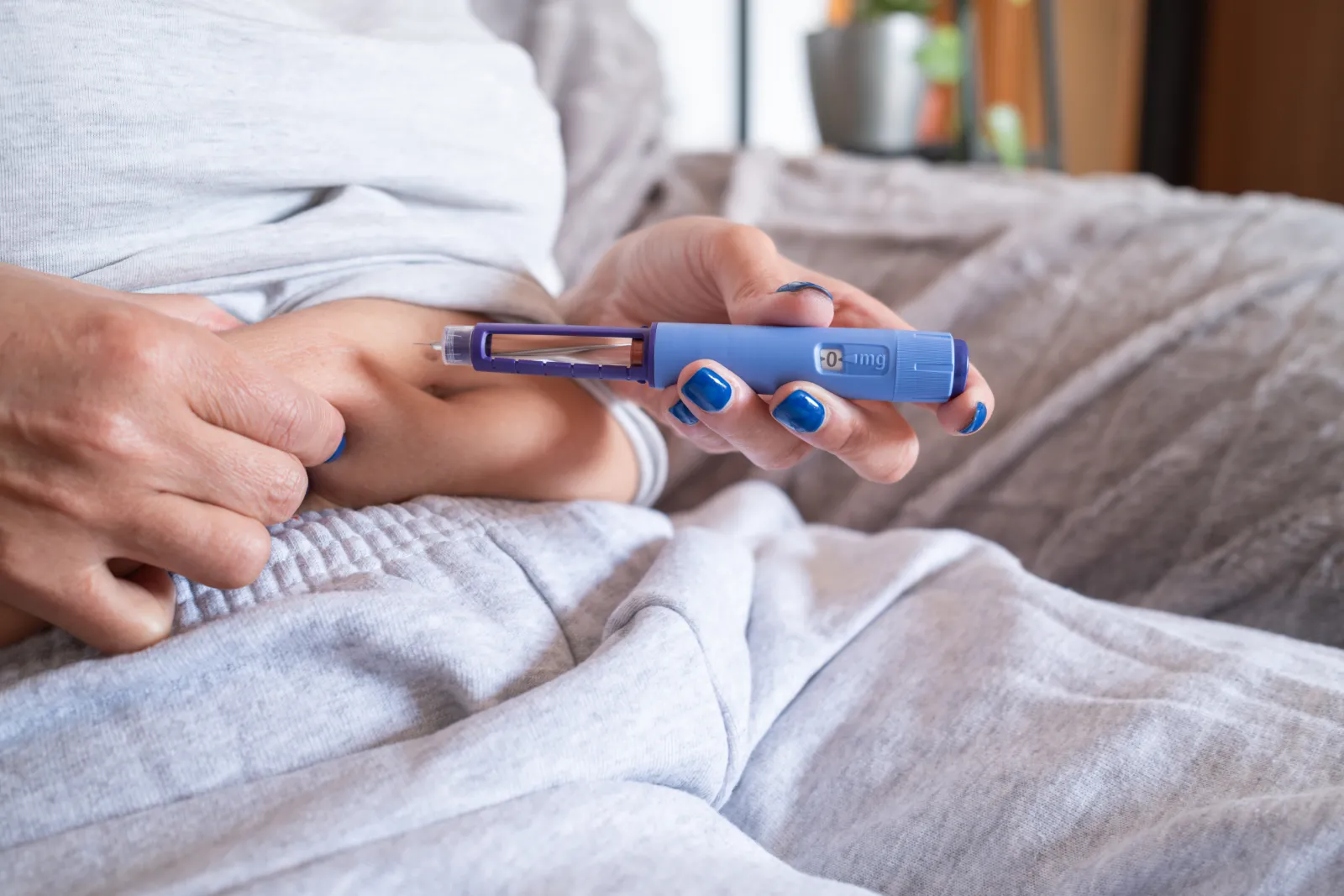
Another common error is injecting in the same spot each time.
Dr Crystal Wyllie, GP at Asda Online Doctor, explains that people often default to injecting in the same spot over and over, but this can cause local irritation or even small lumps of fat under the skin known as lipohypertrophy.
This can affect how well the medication is absorbed and make it less effective.
She recommends rotating injection sites between the abdomen, thigh, and upper arm, and even picking different spots within those zones.
And never stop using them suddenly as this can lead to rapid weight gain, Mital Thakrar, a pharmacist from Well Pharmacy, warns.
There is a tendency to ditch weight-loss treatments as soon as you reach your desired weight, but that is not professional advice.
A recent University of Oxford study found people typically return to their original weight within 10 months of stopping treatment, especially if lifestyle changes were not firmly established.
Without the appetite suppression, hunger and cravings return quickly, Mr Thakrar explains.
This includes healthier eating, which means cutting out junk food and alcohol while increasing protein and fibre, as well as exercising regularly.
Building habits like these during treatment is key for sustaining results.
Many patients see improvements in blood sugar, cholesterol, and blood pressure.
But stopping too soon can reverse these gains if weight creeps back.
Finally, if you are not seeing results, you might be missing the oldest rule in the book, which is drinking enough water.
Dr Wyllie notes that dehydration is a common, yet indirect, side effect of weight loss injections.
The drugs dull appetite, and in doing so, they can also blunt thirst signals, yet hydration is crucial for the body to function properly.
Aim for two to three litres per day, sipping regularly, not just when thirsty.
Hydration supports metabolism, digestion, and can reduce side effects like headaches, nausea and constipation.