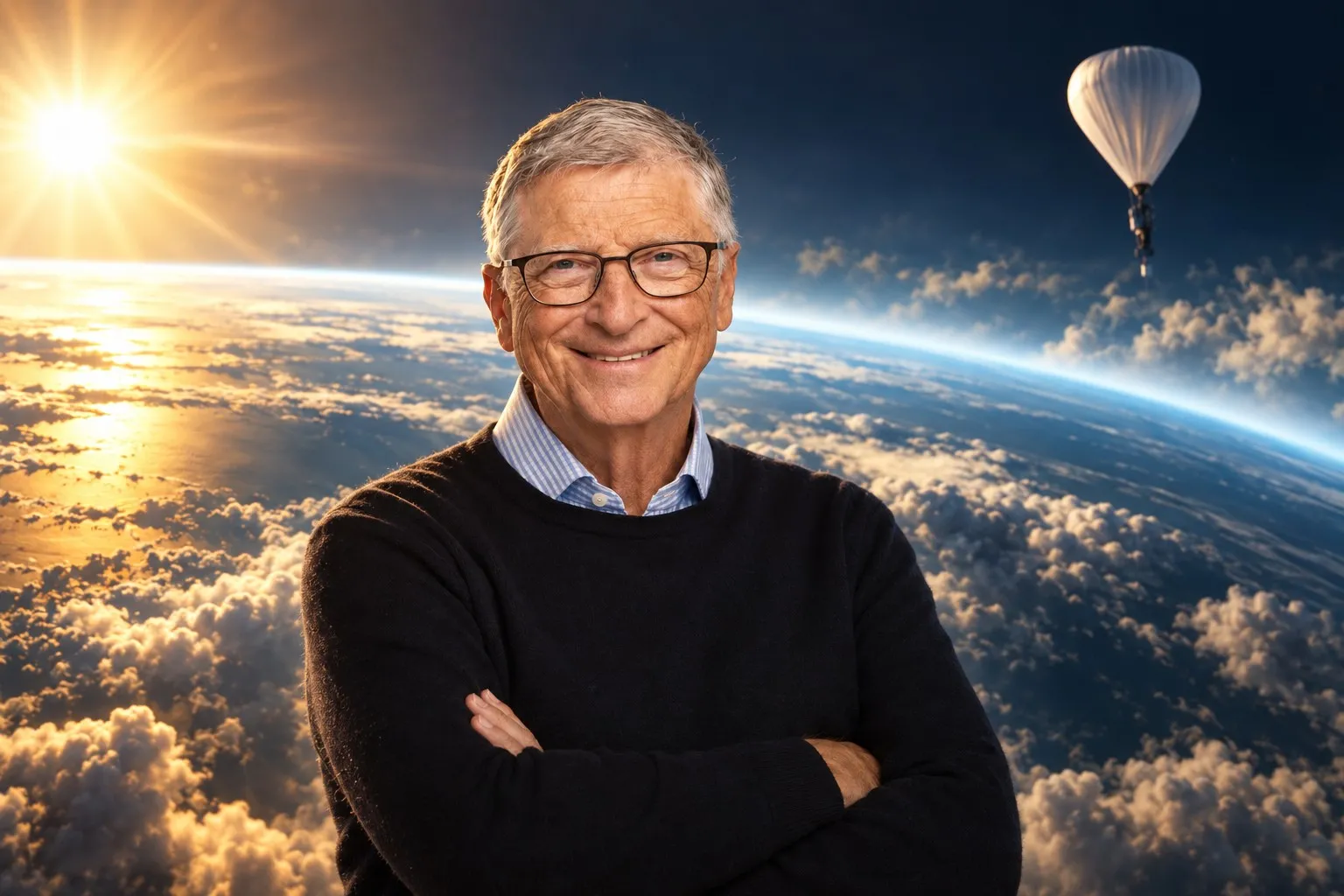
Microsoft co-founder Bill Gates has provided millions of dollars to study whether bouncing some sunlight back into space might cool the planet. However, a related initiative named SCoPEx was called off in March 2024 following setbacks and backlash from the public.
How the proposed cooling method would work
Solar geoengineering relies on spreading tiny reflective particles high up in the atmosphere to bounce away a fraction of incoming solar rays. The goal is to create a temperature drop similar to what follows massive volcanic blasts.
Gates has funded studies linked to the Harvard University Solar Geoengineering Research Program, which launched in 2017. Even though SCoPEx is finished, scientific inquiry into this overarching technique persists.
Research support is not a push for deployment
Gates separates studying the science from actually applying it in practice. He noted that backing these investigations does not equal calling on society to implement the technology.
Why the approach remains disputed
Lowering global temperatures through this method brings worries about altered weather systems. Researchers caution that solar geoengineering may trigger cross-border effects, such as:
- Disruption to rainfall.
- More severe droughts.
- Changes in weather patterns across borders.