Karachi Mayor Murtaza Wahab Opens New OPD Block at Abbasi Shaheed Hospital
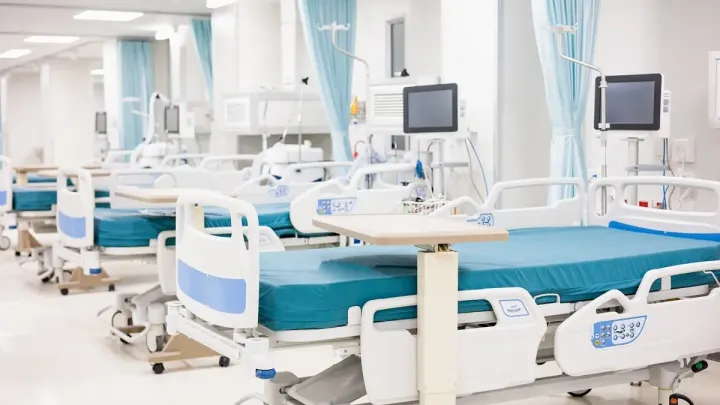
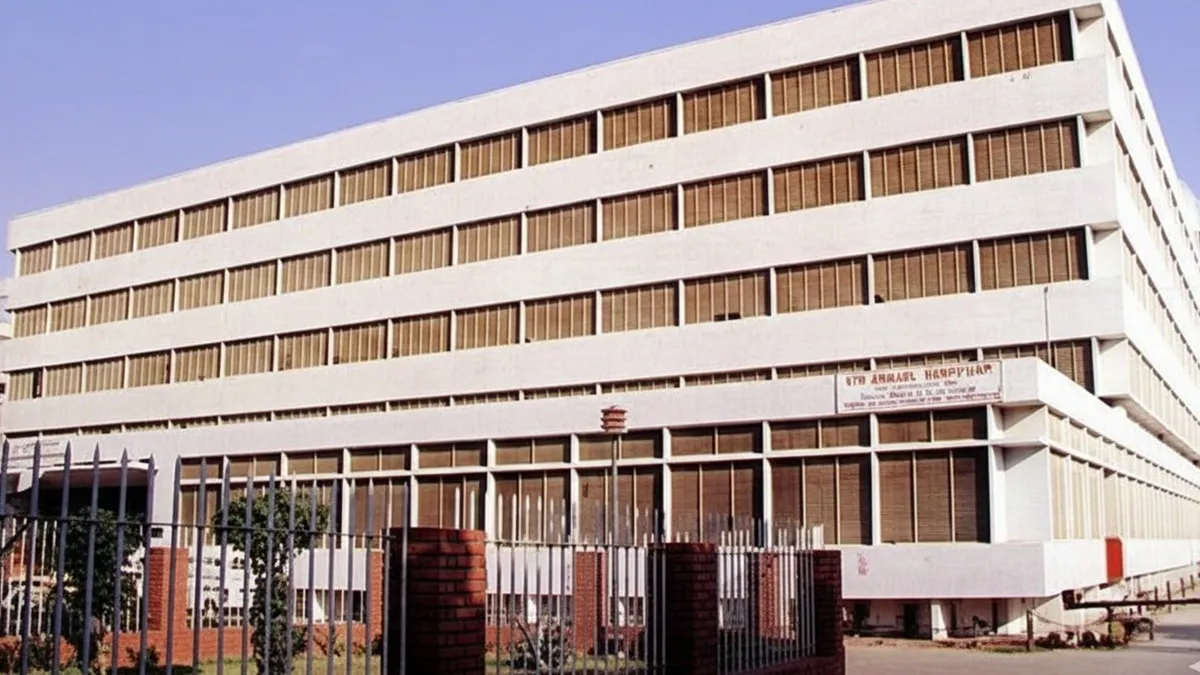
Karachi Mayor Murtaza Wahab officially inaugurated the newly constructed Quaid-i-Awam Outpatient Department Block at Abbasi Shaheed Hospital, bringing expanded outpatient services directly to the public. The opening ceremony marked a notable moment for the municipal healthcare infrastructure, as city leaders push to upgrade medical facilities across the region. Outpatient services are now fully operational at the new facility, allowing patients to access medical consultations in an updated environment.
Speaking at the inauguration ceremony, Wahab stated that the new block would improve healthcare services for patients as part of ongoing efforts to modernize the hospital. Municipal authorities have faced persistent challenges in meeting public healthcare demands, making the launch of this dedicated outpatient structure a necessary addition to the existing medical complex. The expansion intends to reduce crowding and streamline the flow of individuals seeking daily medical attention.
Plans for the Friends of Karachi Management Board
Beyond the physical expansion of the medical facility, the mayor announced plans to establish a board called Friends of Karachi to oversee the hospital operations and improve its management. Public hospitals in the region often struggle with administrative hurdles, supply chain bottlenecks, and maintenance deficits that hinder patient care. By introducing a dedicated supervisory body, city officials hope to bring structural stability to the institution.
The proposed board will include representatives from the public and private sectors and will also monitor other civic matters. Wahab said the aim was to establish a sustainable system that would continue functioning regardless of changes in leadership. Involving private sector stakeholders alongside public officials is designed to introduce corporate efficiency, transparency, and consistent resource management into municipal healthcare administration.
Phased Strategy for Hospital Upgrades and Medicine Distribution
To ensure orderly development, the mayor outlined a two-phase plan to improve the hospital, with the first phase focusing on medical services and the second on administrative operations, including the supply and distribution of medicines. Phasing the project allows hospital administrators to prioritize immediate clinical needs before tackling complex logistical reforms within the bureaucracy.
Addressing long-standing concerns regarding pharmaceutical management, Wahab said he had decided to suspend medicine purchases until an effective distribution system was established. The administration will address gaps between procurement and delivery to ensure medicines reach patients through a transparent process. Halting procurement temporarily prevents the waste or diversion of valuable medical supplies, forcing a complete overhaul of how drugs move from storage rooms to the hands of citizens who need them.
Focus on Cleanliness and Infrastructure Maintenance
Medical treatment alone does not define a functional healthcare facility, prompting local leaders to address environmental standards within public institutions. Wahab also stressed the need to improve cleanliness and building maintenance at government hospitals, saying these were just as important as providing medical treatment. Poor sanitation and deferred maintenance often compromise patient recovery and lower public trust in state-run medical centers.
Public hospitals in large urban centers face constant pressure due to high patient volumes, which accelerates wear and tear on physical infrastructure. Implementing strict maintenance protocols and cleanliness standards forms a core part of the broader administrative overhaul announced during the inauguration event. The local government intends to monitor these non-clinical aspects as closely as medical service delivery to ensure a holistic improvement in public health standards.