Governor Faisal Karim Kundi Criticizes Federal Support for Khyber Pakhtunkhwa
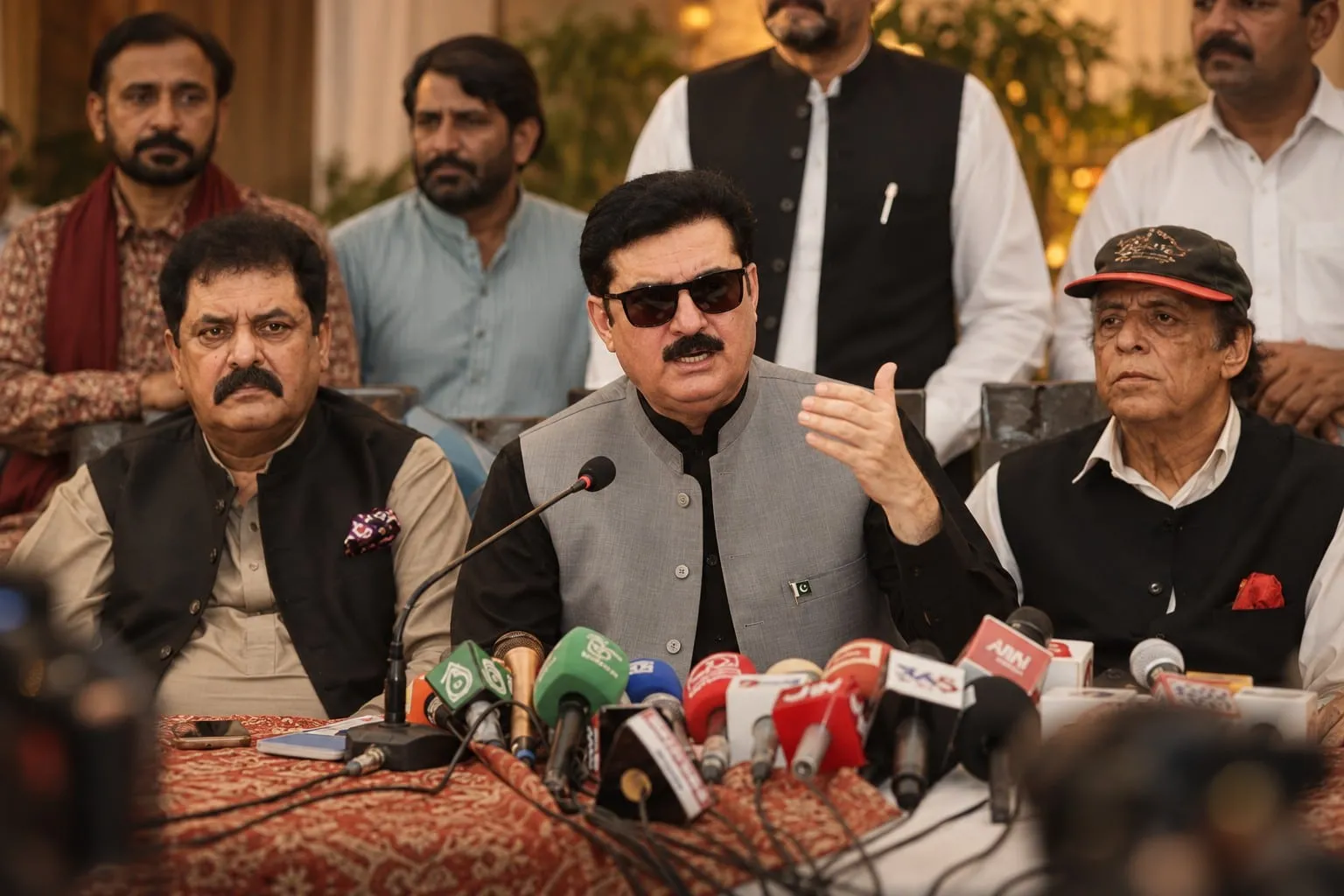
Khyber Pakhtunkhwa Governor Faisal Karim Kundi has publicly criticized the federal government for failing to provide the province with the support it merits. Speaking at the Pakistan Association of Urological Surgeons annual conference in Peshawar on Sunday, the governor stated that the region could no longer be neglected by central authorities. He urged practical improvements to the local health sector, drawing comparisons to the approaches taken in Punjab and Sindh.
The remarks bring renewed attention to the distribution of federal resources and the distinct administrative challenges faced by Khyber Pakhtunkhwa. Observers note that provincial leaders frequently demand greater financial allocations to manage local infrastructure, public services, and security needs. The governor asserted that equitable treatment from Islamabad remains vital for the stability and growth of the province.
Public administration experts point out that intergovernmental fiscal relations in the country often spark debate regarding resource distribution formulas. While federal grants aim to bridge fiscal gaps, provincial stakeholders regularly argue that specific regional burdens require targeted intervention. Governor Kundi positioned his critique within this broader framework of federal-provincial dynamics, emphasizing that public welfare depends heavily on responsive governance.
Demanding Specialized Healthcare for Underserved Districts
Expanding the focus of his address, Governor Kundi called for quality healthcare, including specialized services, in the merged districts, southern districts, and remote parts of Khyber Pakhtunkhwa. Access to modern treatment should be available equally to all citizens rather than concentrated in large urban centres, he said. Residents in peripheral areas often travel significant distances to reach major hospitals in Peshawar or Islamabad for advanced medical care.
According to an official statement, the governor identified several clear priorities for strengthening the provincial healthcare system. These priorities include upgrading health infrastructure, providing modern medical equipment, improving training for doctors, and supporting medical research. Medical professionals frequently highlight that regional hospitals lack the diagnostic tools and surgical apparatus required for complex interventions.
Health sector specialists explain that equitable distribution of medical resources requires substantial capital investment and retention programs for physicians willing to serve outside metropolitan hubs. Without structured incentives, rural clinics struggle to maintain adequate staffing levels. The governor stressed that bridging this urban-rural divide remains an urgent responsibility for policymakers and health administrators alike.
The Role of Medical Conferences and Professional Bodies
Addressing the gathering of urological surgeons, Governor Kundi noted that medical conferences help practitioners share knowledge, discuss research, and learn about newer treatment methods. Professional bodies such as the Pakistan Association of Urological Surgeons could also strengthen doctors training, train young medical professionals, and build cooperation with public hospitals. Continuing medical education ensures that clinical standards remain aligned with international advancements.
Specialized medical associations play a central role in organizing workshops and peer-review sessions that enhance clinical capabilities. By collaborating with public institutions, these bodies help transfer technical expertise to doctors working in government facilities. The governor acknowledged the contributions of medical professionals who continue to serve despite challenging operational environments.
Medical education reformers often emphasize the importance of mentorship programs for junior doctors. Peer networks provide essential guidance during the formative years of a medical career. The governor encouraged senior practitioners to mentor young doctors and foster an environment of continuous scientific inquiry within public hospitals.
Reviewing House Officers Pay Amid Economic Pressures
In a direct policy announcement during the conference, Governor Kundi raised the pay of house officers, describing their monthly salary of Rs70,000 as inadequate. He said the amount would be reviewed. House officers, who represent newly graduated doctors completing their mandatory practical training, often endure long shifts while managing high patient volumes in public teaching hospitals.
Economic pressures on young medical professionals have sparked numerous discussions within the healthcare sector regarding fair compensation. Inflation and rising living costs make it difficult for trainees to sustain themselves on entry-level stipends. The governor decision to examine the pay structure addresses a long-standing grievance among medical graduates.
Hospital administrators note that fair remuneration directly influences staff morale and retention rates. When junior doctors receive adequate financial support, they can focus more effectively on patient care and professional development. The planned review of the Rs70,000 monthly salary marks a notable development for medical interns across the province.
Peace, Stability, and Development at Peshawar Gathering
Shifting focus to a separate address at Darbar-i-Aalia Murshadabad Sharif in Peshawar, Governor Kundi stated that durable peace was necessary for the prosperity of Khyber Pakhtunkhwa. He urged all sections of society to help improve the province image and asked religious scholars to encourage tolerance, oppose extremism, and promote harmony. Community leaders play an essential role in countering radical narratives and fostering social cohesion.
The governor recalled the sacrifices made during decades of terrorism by religious scholars, security personnel, politicians, and students, including those killed at the Army Public School. He said the resilience of the province should now carry it towards stability and development. Generations of citizens in Khyber Pakhtunkhwa have endured the direct consequences of regional conflict.
Former prime minister Shahid Khaqan Abbasi and the governor advisor Tayab Qureshi were among those attending the ceremony, according to an official statement. During the event, Governor Kundi congratulated newly graduated Huffaz, presented certificates, and visited the institution library. Such gatherings highlight the importance of traditional and religious education alongside civic development.
Economic Potential and Youth Empowerment in Khyber Pakhtunkhwa
Concluding his remarks on development, the governor called for opportunities for young people in sports and other fields, citing internationally recognized sportspersons from Mardan, Dera Ismail Khan, and Bannu. Youth engagement programs help channel energy positively and provide alternative pathways for regional talent. Investing in sports infrastructure allows local athletes to compete at national and international levels.
Governor Kundi also emphasized that better use of oil, gas, water resources, tourism potential, and the Tarbela Dam could help transform the provincial economy. Khyber Pakhtunkhwa possesses vast natural resources that, if managed efficiently, can generate substantial revenue and employment opportunities. Energy generation and tourism remain key sectors capable of driving sustainable economic growth.
Economic analysts suggest that leveraging regional assets requires transparent governance and strategic public-private partnerships. By optimizing resource extraction royalties and promoting scenic tourism destinations, the province can reduce fiscal reliance on federal transfers. The governor vision outlines a path toward financial self-reliance and broad-based prosperity for the region.