Why Charsadda Education Department Banned Photography in Public Schools
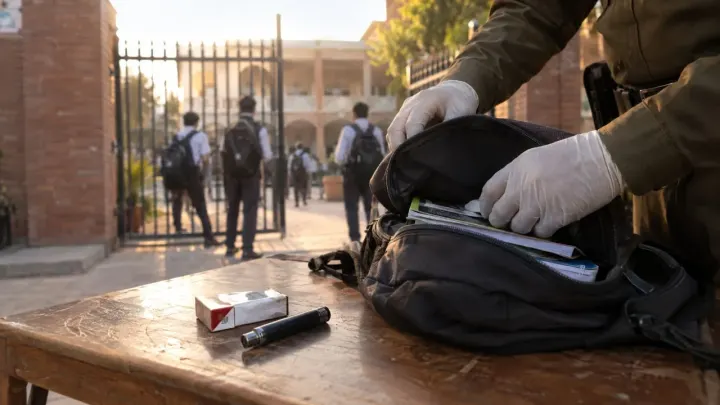
The Charsadda education department has made prior approval mandatory for photography and videography in government schools, raising concerns about transparency as several institutions in the district continue to face shortages of classrooms and basic facilities. According to a notification issued by the District Education Officer (DEO) Male, Charsadda, permission from the DEO is required before conducting photography, videography or other activities in public-sector schools.
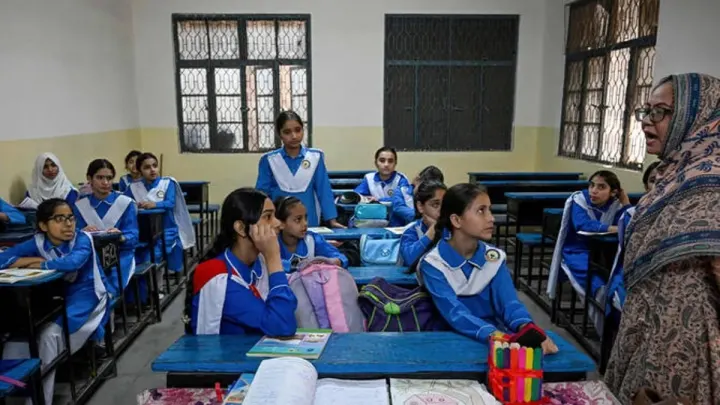
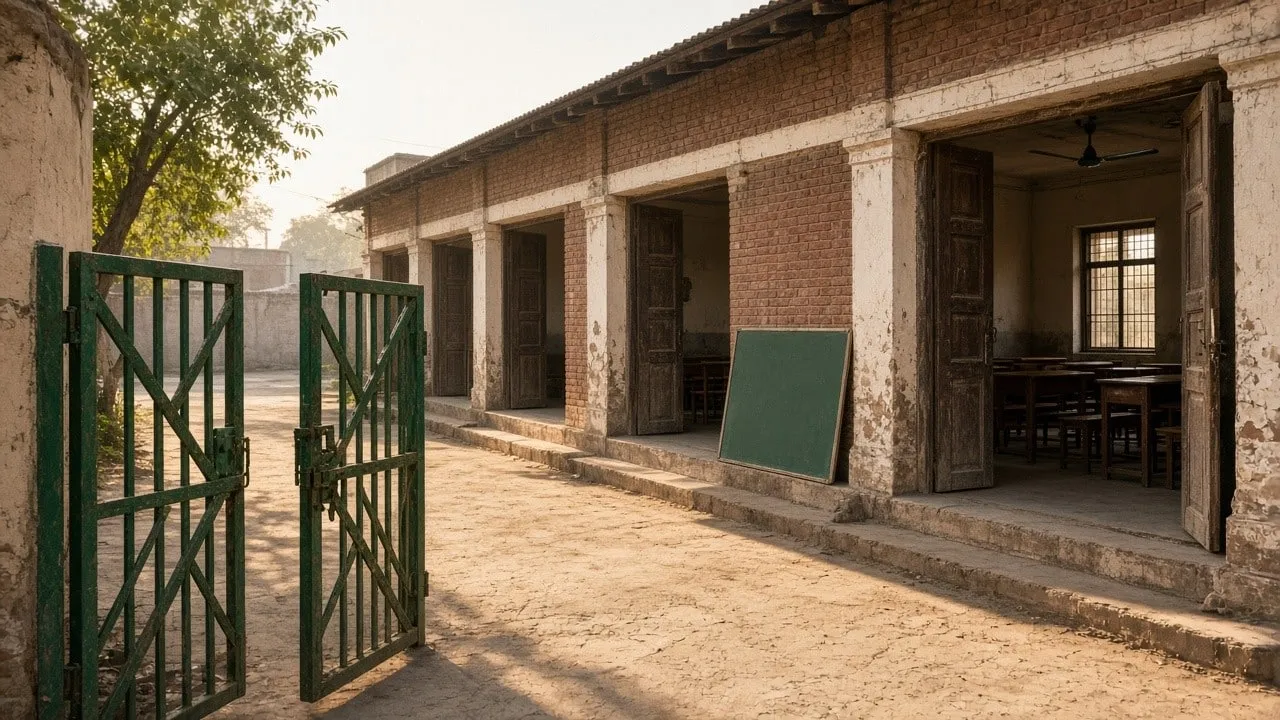
The decision comes as journalists across Khyber Pakhtunkhwa highlight poor conditions in government schools, including overcrowded classrooms and inadequate facilities. The new requirement has raised concerns that independent media coverage of these issues could be restricted. Several schools in Charsadda are struggling to accommodate students due to limited infrastructure.
Severe Infrastructure Challenges in Charsadda Government Schools
Public educational facilities in the district frequently grapple with severe spatial constraints and a lack of proper amenities. At Government Primary School Paindakhel, around 380 students have only three classrooms, forcing many to attend lessons outdoors. The school also has just two washrooms, one reserved for teachers and the other shared by all students.
Similarly, Government Primary School Majoki has more than 300 students but only five classrooms. With no separate office available, the headmaster has set up a makeshift workspace behind a curtain in a classroom, where important school records are also stored.
Environmental and Maintenance Hurdles Facing Local Institutions
Beyond overcrowding and a shortage of rooms, administrative buildings and learning spaces face physical hazards from surrounding geography and weather patterns. The school also faces flooding problems because its building is considerably lower than the adjoining road. Rainwater collects on the premises and sometimes remains there for weeks, disrupting academic activities.
These conditions highlight broader infrastructure problems in Charsadda's government schools, including shortages of classrooms, washrooms, boundary walls, clean drinking water and other essential facilities.
Implications for Media Access and Institutional Transparency
The timing of the new administrative restriction has drawn attention from local observers and media workers who routinely document public sector shortcomings. Independent reporting often relies on visual documentation to demonstrate the daily realities faced by students and teachers in remote or underfunded districts. Requiring formal clearance from the District Education Officer introduces an administrative hurdle that could delay or prevent reporters from capturing real-time conditions on campus.
Education department officials maintain that regulatory measures are intended to preserve order and student privacy within learning environments. Critics argue, however, that restricting visual documentation shields local authorities from accountability regarding chronic funding gaps and delayed infrastructure projects.
Broader Context of Public Education in Khyber Pakhtunkhwa
Public schools across the province frequently navigate systemic budget constraints that impact teacher deployment, material distribution, and building maintenance. While provincial authorities periodically allocate funds for school rehabilitation and new construction, the sheer scale of the network leaves many rural and semi-urban institutions behind. Local communities often rely on public interest journalism to bring these discrepancies to the attention of higher authorities in Peshawar.
Without independent verification and open access for media teams, tracking the actual pace of development work becomes challenging for taxpayers and parents. The debate over the new photography rules underscores the ongoing tension between administrative oversight and public accountability in the educational sector.