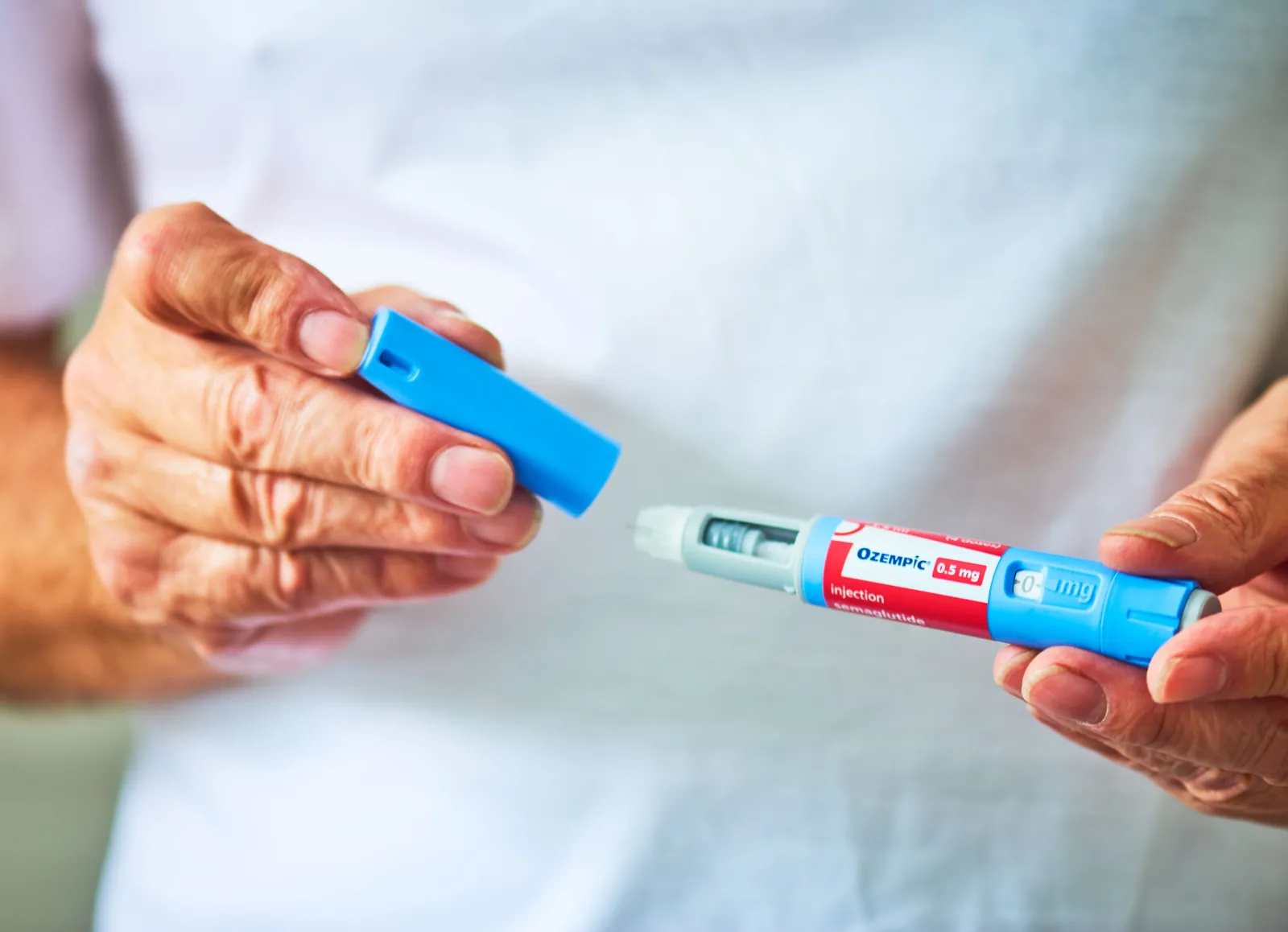
A NEW obesity jab combo containing Ozempic and another appetite-suppressing drug helped users shift 20 per cent of their body weight - even at the lowest dose.
What Is CagriSema and How Was It Tested?
CagriSema combines semaglutide - the active ingredient in diabetes jab Ozempic and weight-loss injection Wegovy - with cagrilintide. The two-in-one jab is made by Danish drug giant Novo Nordisk and is still undergoing clinical trials.
The latest results, published in The Lancet Diabetes & Endocrinology journal, followed 309 adults over 68 weeks in Canada, France, Germany, the UK and the US. Researchers tested two different weekly doses of CagriSema, which were randomly assigned to participants.
A third of the participants, who weighed an average of 109.5 kg and didn't have diabetes, received 1.7 mg injections, another third received 1 mg, and the remaining group used dummy drugs. All participants also received guidance for eating healthy and exercising more.
Weight-Loss Results: Low Dose Outperforms High Dose
Surprisingly, those on the lower dose lost more weight. Among the participants who finished the study, those on the 1 mg dose of CagriSema lost 21 per cent of their body weight. Those on the 1.7 mg dose lost slightly less, about 20.7 per cent of their body weight. Meanwhile, participants using placebo drugs lost 2 per cent of their weight with diet and exercise.
A second analysis, which included everyone regardless of whether they stopped treatment, found the highest dose group lost 19.4 per cent of body weight on average. This fell to 18.6 per cent in the 1 mg group and 4.6 per cent in the placebo group.
About 95 per cent of participants receiving CagriSema lost at least 5 per cent of their body weight, versus 33.4 per cent of those using dummy injections. Meanwhile, around half lost at least 20 per cent. Their waist circumference fell by an average of 17 cm with CagriSema, compared with 3.6 cm with placebo.
How CagriSema Works: Semaglutide and Cagrilintide Explained
Cagrilintide is a drug developed by Novo, which is what's known as an amylin analogue. It mimics amylin, a hormone produced by the pancreas that helps regulate appetite, stomach emptying and blood sugar.
Semaglutide mimics a hormone naturally produced by the gut called GLP-1, which promotes feelings of fullness. By pairing these two mechanisms, CagriSema targets both hunger signals and the rate at which food leaves the stomach, creating a synergistic effect on weight reduction.
Clinical Context: Why This Trial Matters
Obesity remains a leading risk factor for heart disease, type 2 diabetes, and many cancers. Existing pharmacologic options, such as GLP-1 agonists, typically require higher doses to achieve double-digit weight loss, which can increase side-effects and cost. Demonstrating that a 1 mg weekly dose of a combined GLP-1 and amylin analogue can produce a 20 per cent average weight loss suggests a potentially safer, more affordable regimen.
The trial's multinational design adds credibility. Recruiting participants from five high-income countries reduces the chance that the findings are driven by a single health-care system or population characteristic. Moreover, the study excluded people with diabetes, focusing on pure obesity treatment and avoiding confounding metabolic effects.
Regulatory and Market Implications
Nova Nordisk already markets semaglutide under the brand names Ozempic (for diabetes) and Wegovy (for obesity). Cagrilintide is still investigational but has been studied as a monotherapy for weight loss. If the combination continues to show efficacy and safety, regulators in the US, EU, and Canada could consider a new indication that bundles the two agents into a single injection.
From a market perspective, a low-dose formulation could broaden insurance coverage, as lower weekly amounts often translate into lower reimbursement thresholds. It may also appeal to patients hesitant about higher-dose injections, potentially expanding the drug's user base.
Next Steps in the Research Pipeline
Researchers stressed that trials are still ongoing and that the drug needs to be tested on larger and more diverse groups of people in order for the findings to be confirmed. Ongoing phases will likely include participants with varied ethnic backgrounds, older age brackets, and those with comorbidities such as hypertension or mild kidney impairment.
Regulators typically require at least two pivotal Phase III trials before granting approval. The current study, while robust, represents a single trial. A second, similarly powered study will be essential to satisfy agencies like the FDA and EMA.
Watch for updates on safety signals. The most common side-effects reported with GLP-1 agonists include nausea, vomiting, and constipation. Amylin analogues can cause similar gastrointestinal symptoms. Ongoing monitoring will determine whether the low-dose regimen reduces these adverse events.
Practical Takeaways for Patients and Clinicians
- Even a 1 mg weekly injection of CagriSema produced an average 21 per cent weight loss over 68 weeks in trial completers.
- Participants also saw a 17 cm reduction in waist circumference, indicating loss of visceral fat.
- All participants received lifestyle counseling, underscoring that medication works best when combined with diet and exercise.
- Current data apply only to adults without diabetes; results may differ for people with metabolic disease.
- Safety data are still being collected; patients should wait for regulatory approval before seeking the drug.
How This Fits Into the Wider Obesity-Treatment Landscape
In recent years, GLP-1-based therapies have reshaped obesity management, with Wegovy achieving up to 15 per cent weight loss in large trials. Adding an amylin analogue appears to push the efficacy ceiling higher, at least in a controlled research setting.
Other pharmaceutical companies are exploring similar combination approaches, but Novo Nordisk's early data give it a competitive edge. The outcome could influence future guidelines from bodies such as the American Association of Clinical Endocrinology, which may eventually recommend combination therapy for patients who do not achieve target loss with GLP-1 monotherapy.
Conclusion
The CagriSema trial demonstrates that a low-dose weekly injection can achieve dramatic weight loss, challenging the assumption that higher doses are always necessary. While the findings are promising, broader trials and regulatory review remain essential before the combination becomes widely available.