Man Sees Cat Features on Human Faces After Rare Brain Surgery Complication
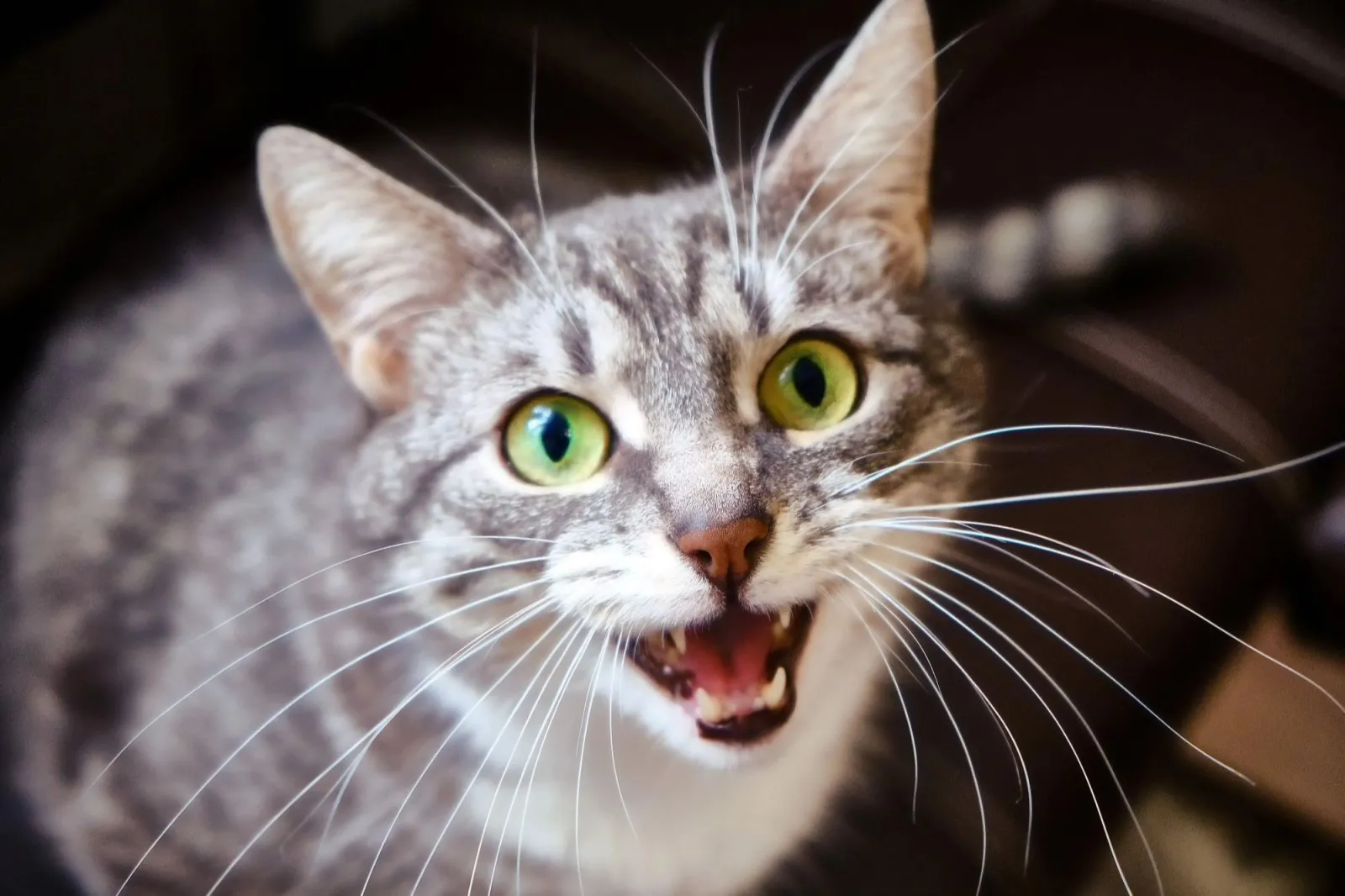
A 28-year-old American man named Karl has baffled medical professionals by developing an extraordinary visual condition that causes him to see his pet cat's facial features transposed onto the faces of people he meets. Published in the medical journal Cortex, the case details how Karl perceives the stripes, enlarged pupils, and feline eye shapes of his grey tabby cat Luna on human beings daily. This unusual phenomenon emerged shortly after he underwent complex brain surgery two years ago to remove part of his right temporal lobe, an area heavily involved in processing visual information and recognizing human faces. Scientists at Dartmouth College in New Hampshire examined the case, identifying the disorder as a rare presentation of prosopometamorphopsia, which is often called demon face syndrome.
The condition stems from tangled blood vessels between arteries and veins in Karl's brain, a vascular anomaly that carries a high risk of dangerous bleeding if left untreated. To prevent potential hemorrhaging, surgeons performed an operation to remove a portion of his right temporal lobe. While the surgery successfully addressed the vascular issue, it triggered unexpected neurological side effects in Karl's visual processing system. Instead of seeing people normally, his brain began pulling specific visual memories from storage and blending them into his real-time field of vision. Researchers note that this rare manifestation highlights how fragile and interconnected human neurological pathways truly are when processing complex visual stimuli like facial structures.
How Prosopometamorphopsia Alters Human Facial Perception
Prosopometamorphopsia is an exceedingly rare neurological disorder that distorts how a person perceives human faces, causing them to appear stretched, swollen, discolored, warped, or grotesquely altered while the rest of the body remains completely normal. In Karl's specific situation, the distortion manifests through a neurological visual phenomenon known as palinopsia, where an image or visual feature seen earlier persists or reappears unexpectedly. According to the findings published in Cortex, Karl will perceive Luna's distinct feline features on human faces if the cat happens to be the first face he looks at during the day. Conversely, if he encounters a human face first thing in the morning, he tends to see that specific person's pupils and eye shape transferred onto other people, and even onto Luna's face later that day.
Medical literature contains fewer than 100 documented clinical cases of prosopometamorphopsia over the past century, making Karl's case an extraordinary subject for neurological study. The condition itself is triggered by various forms of neurological disruption, including head trauma, stroke, epilepsy, brain tumors, and encephalitis. Because the disorder affects visual perception rather than originating as a psychiatric hallucination, patients have historically faced risks of misdiagnosis. Doctors sometimes confuse the symptoms with psychiatric conditions such as schizophrenia or body dysmorphic disorder before a proper neurological evaluation reveals the true physical origin of the visual distortions in the brain.
Parallels to Past Medical History and Scientific Discoveries
The bizarre visual phenomenon experienced by Karl has a historical precedent recorded precisely 40 years prior in 1986 within the same medical journal. That earlier report documented an unidentified woman who, while riding a bus, noticed a poodle sitting on a passenger's lap and subsequently began seeing the poodle's face superimposed onto every single passenger on the vehicle. That woman had suffered a stroke nine months before the incident occurred. When comparing the two cases, researchers observed a distinct difference in how the visual memory manifested. While the woman in the 1986 case saw an entire animal face transferred onto people, Karl only experiences specific components of faces being transferred across different subjects, such as eye shape or pupil dilation.
Scientists leading the current research at Dartmouth College used modern technological advancements to better understand and document Karl's daily reality. Researchers prepared an initial sketch based on Karl's descriptions, which was then fed into artificial intelligence software to generate a more accurate and realistic visual representation. Scientists shared the AI-generated images with Karl, refining the visuals through multiple rounds of back-and-forth feedback until the pictures accurately matched his perceptions. The final modified images were then included in the official medical report. Study lead author Professor Brad Duchaine noted that artificial intelligence provides researchers with the ability to generate more accurate visualizations of what patients experience during distorted visual perceptions.
Understanding the Role of the Temporal Lobe in Vision
The human brain relies on specific regions to interpret the vast amount of visual information encountered every second of the day, with the temporal lobe holding a primary responsibility for facial recognition. When surgeons removed a portion of Karl's right temporal lobe to treat the dangerous tangle of blood vessels, the delicate neural network responsible for separating current visual inputs from stored memories experienced a disruption. This surgical intervention apparently altered the brain's ability to clear previous images, leading to the persistence of palinopsia. Professor Duchaine explained that this case of Karl seeing his cat's features in human faces and vice versa demonstrates that individual features can be pulled from memory and influence ongoing perception.
The implications of this research extend far beyond a single unusual medical case, offering deeper insight into how human memory interacts with sensory input. Neurologists continue to study how localized brain regions govern the conscious experience of the physical world. While Karl navigates life with his unique visual processing quirk, medical professionals use his experiences to map out the complex functions of temporal lobe structures. The rarity of prosopometamorphopsia ensures that each documented patient provides invaluable data for understanding the boundaries between memory, vision, and neurological health.