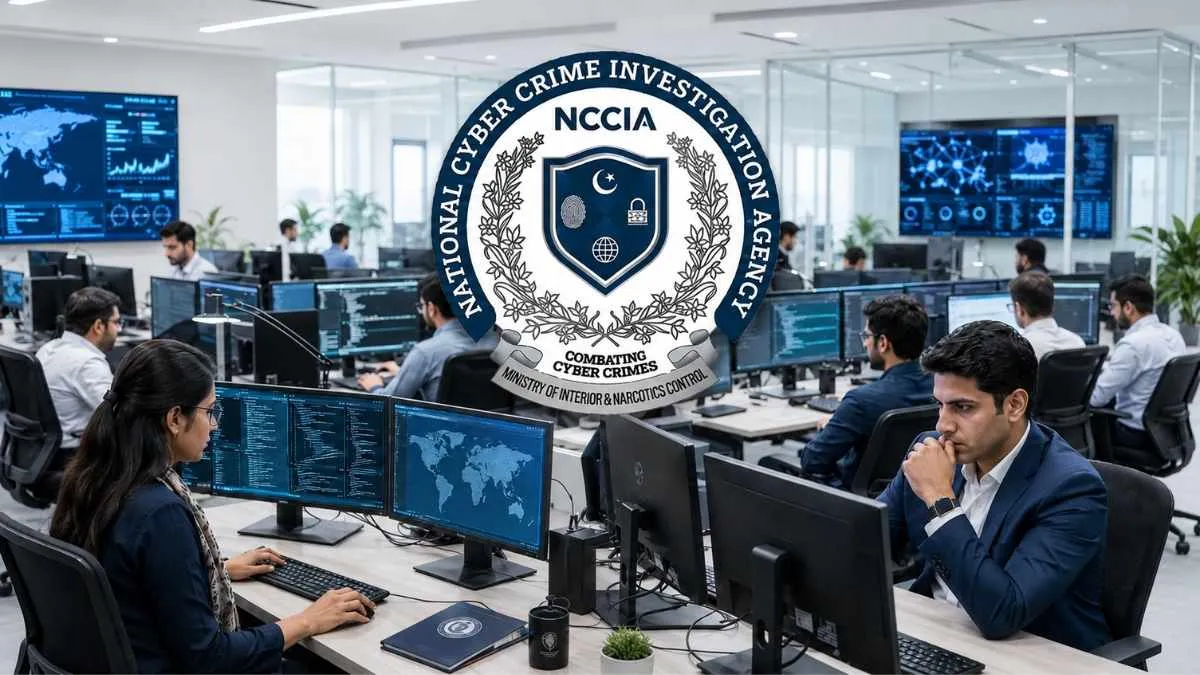
NCCIA Urges Responsible Digital Journalism and Social Media Use
The Additional Director of the National Cyber Crime Investigation Agency for Islamabad and Rawalpindi, Mohammad Shoaib Khan, has urged digital media journalists and social media users to avoid publishing news or posts that unjustifiably target individuals or oppose the state.
Speaking at a press conference, Khan called on users to avoid content that unjustifiably targets individuals, encourages online harassment or opposes the state. He described responsible reporting and publishing as a journalistic duty.
صحافتی ذمہ داری کا تقاضا ہے کہ ایسی کوئی خبر یا سوشل میڈیا پوسٹ نہ کی جائے جو کسی فرد کو بلاجواز نشانہ بنائے یا ریاست کے خلاف ہو۔
ایڈیشنل ڈائریکٹر این سی سی آئی اے اسلام آباد و راولپنڈی شعیب خان#NCCIA #CyberAwareness #Islamabad pic.twitter.com/XkruNJjFK4— NCCIA (@NCCIAOFFICIAL) November 15, 2026
Background on Cyber Regulation in Pakistan
The oversight of digital spaces and electronic media has evolved significantly over the past decade as internet penetration and smartphone usage expanded across Pakistan. Regulatory bodies and specialized law enforcement units have increasingly focused on online harassment, defamation, and national security concerns arising from social media content. Journalists, digital creators, and everyday citizens often navigate a complex regulatory environment where speech is scrutinized under various legal provisions. The National Cyber Crime Investigation Agency operates as a primary investigative arm tasked with enforcing cyber laws and addressing unlawful digital activities across the country.
Understanding the Role of the National Cyber Crime Investigation Agency
The National Cyber Crime Investigation Agency functions as a specialized federal body responsible for investigating digital offenses, online fraud, and electronic crimes within Pakistan. Its jurisdiction covers a wide range of infractions, from individual harassment and defamation to sophisticated transnational financial scams and illegal online operations. Regional directorates, such as the Islamabad-Rawalpindi zone, manage local complaints, execute raids, and maintain direct contact with the public through helplines and digital portals. Law enforcement officers within these units are trained to trace digital footprints, analyze electronic evidence, and coordinate with international partners when dealing with cross-border cyber threats.
NCCIA Activates Nationwide Cyber Patrols
Meanwhile, the NCCIA has activated cyber-patrolling operations across Pakistan to identify unlawful accounts and monitor digital platforms.
These operations aim to trace accounts involved in illegal activity, block links and detect defamatory or inappropriate material online.
The implementation of nationwide cyber patrols marks a proactive shift in how federal authorities police the internet. Instead of relying solely on citizen complaints, specialized teams actively scan public digital networks for warning signs. This continuous monitoring covers major social media networks, messaging applications, and public forums where harmful or illegal material might spread. By identifying problematic accounts early, the agency attempts to limit the reach of disinformation and malicious campaigns before they cause widespread public harm.
Illegal Call Centers Face Crackdown
Separately, the agency has conducted raids on illegal call centers across its Islamabad-Rawalpindi zone.
The operations targeted centers linked to transnational online fraud, betting portals and loan apps. The raids resulted in multiple arrests. However, the supplied information did not specify the number of suspects or identify those arrested.
The crackdown on unauthorized call centers highlights the growing threat of organized cyber crime operations hiding behind legitimate business fronts. These establishments frequently exploit vulnerable populations through predatory loan applications, fraudulent investment schemes, and illegal gambling platforms often operated by international syndicates. Law enforcement raids disrupt the technical infrastructure used by these groups, seizing computer hardware, servers, and communication logs. Such operations require careful coordination between intelligence units and tactical response teams to secure evidence and apprehend individuals involved in large-scale financial deception.
How to Report Cybercrime Activities
Citizens can report cybercrime complaints through the NCCIA's nationwide helpline at 1799. The agency also provides an online portal for complaints.
Accessing official reporting mechanisms ensures that grievances regarding online harassment, financial fraud, or identity theft reach the appropriate investigators. When filing a complaint, victims are generally advised to preserve evidence such as screenshots, transaction receipts, account URLs, and message logs. Prompt reporting improves the likelihood that investigators can trace digital trails, freeze illicit funds, or block malicious online links before perpetrators erase their data. The helpline and online portal serve as vital bridges connecting ordinary citizens to federal cybersecurity experts.
Impact of Digital Regulation on Society and Business
Efforts to regulate digital spaces and crack down on fraudulent enterprises carry significant implications for both individual citizens and the broader economy. Legitimate businesses operating online benefit from increased consumer trust when fraudulent call centers and predatory loan apps are dismantled. At the same time, journalists and digital publishers must carefully balance investigative reporting with compliance regarding state regulations and personal privacy standards. Navigating these professional boundaries requires a strong commitment to factual accuracy and ethical reporting practices, particularly in a digital environment subject to intense government monitoring.





