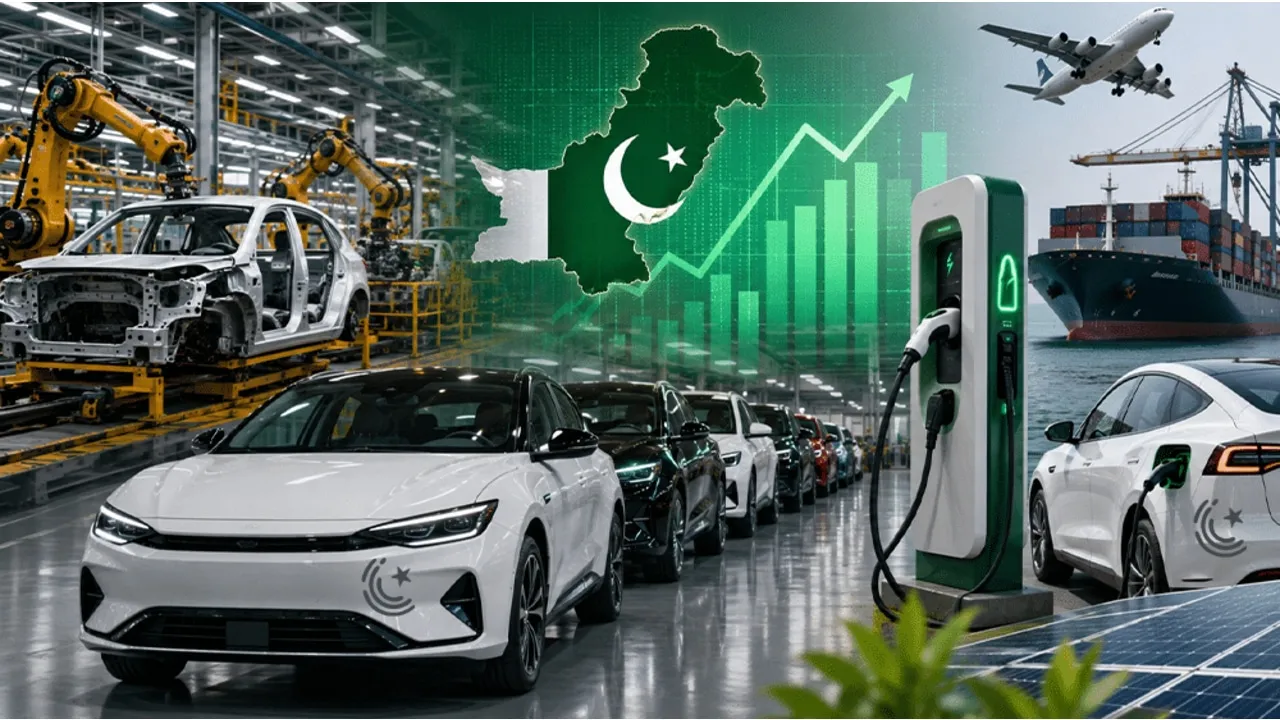
New EV Policy Under Enormous Pressure From Industry Lobbyists
Certain industry players are pressuring the Federal Board of Revenue and the International Monetary Fund to derail the new Auto Policy 2026-31 and delay the country's transition to new energy vehicles, according to sources close to the matter. These stakeholders are running a coordinated campaign to push for higher sales tax on new energy vehicles, directly threatening financial incentives that encourage electric mobility.
The unfolding situation highlights the intense economic and regulatory competition surrounding the future of transportation. As authorities weigh fiscal targets against environmental goals, the outcome of this pressure campaign will shape the regulatory framework for years to come.
Understanding the Proposed Auto Policy 2026-31
The proposed framework outlines a structured approach to taxation for environmentally friendly transport. The policy offers differentiated tax treatment for battery electric, range-extended, and plug-in hybrid vehicles. This tiered system aims to balance revenue generation with the adoption of cleaner automotive technologies.
Government planners previously rejected a proposal from the International Monetary Fund to impose an across-the-board 18 percent sales tax on electric vehicles. The draft instead proposed a 6 percent sales tax on range-extended vehicles and 9 percent on plug-in hybrids. These measures were designed to provide a soft landing for consumers shifting away from conventional internal combustion engines.
The Role of Fiscal Incentives and Customs Duties
Beyond sales tax adjustments, the framework seeks to reduce customs duties on eligible imported electric vehicles. Lowering import barriers is intended to make advanced automotive technology more accessible while local manufacturing capacity develops. Furthermore, the initiative seeks to expand financing opportunities for buyers who struggle to secure traditional automotive loans.
Financial backing and accessible credit remain vital for widespread consumer adoption. Without favorable financing terms, high upfront purchase costs continue to deter prospective buyers from choosing battery-powered options over traditional fuel vehicles. Industry observers note that reversing these incentives could severely undermine the national transition toward sustainable transport.
The Conflict Over Taxation and Revenue Targets
The Federal Board of Revenue operates under strict revenue collection mandates, often influenced by lending programs administered by international institutions. Balancing these immediate revenue needs with long-term industrial strategy creates friction. Tax authorities face competing demands from lenders seeking broader tax bases and environmental advocates pushing for green technology exemptions.
Imposing uniform sales taxes on all vehicle categories would generate short-term revenue but drastically slow down green adoption rates. The debate centers on whether fiscal relief for emerging sectors yields greater long-term economic benefits than immediate tax collection. Industry critics arguing for higher levies claim that special tax treatments create market distortions.
Implications for Consumers and the Domestic Market
Consumers stand at the center of this regulatory tug-of-war. Higher tax rates directly translate to inflated retail prices, keeping sustainable vehicles out of reach for middle-class households. Affordable financing and reasonable tax structures remain the primary drivers of consumer interest in electric mobility.
Automotive manufacturers who have invested in new assembly lines and supply chains also face high uncertainty. Policy shifts disrupt business planning, inventory management, and pricing strategies. Clear regulatory signals are necessary for companies to commit capital toward local manufacturing and charging infrastructure development.
What Comes Next for the Automotive Sector
Stakeholders across the automotive spectrum are closely monitoring discussions between regulatory bodies and policymakers. The final terms of the upcoming framework will determine market viability for both local assemblers and importers. Observers should watch for official announcements from tax authorities regarding final tax slabs and customs duty revisions.
The tension between revenue collection and environmental policy will likely persist as economic reforms progress. Public consultations and stakeholder meetings will continue to influence the final text of the framework before formal implementation begins.