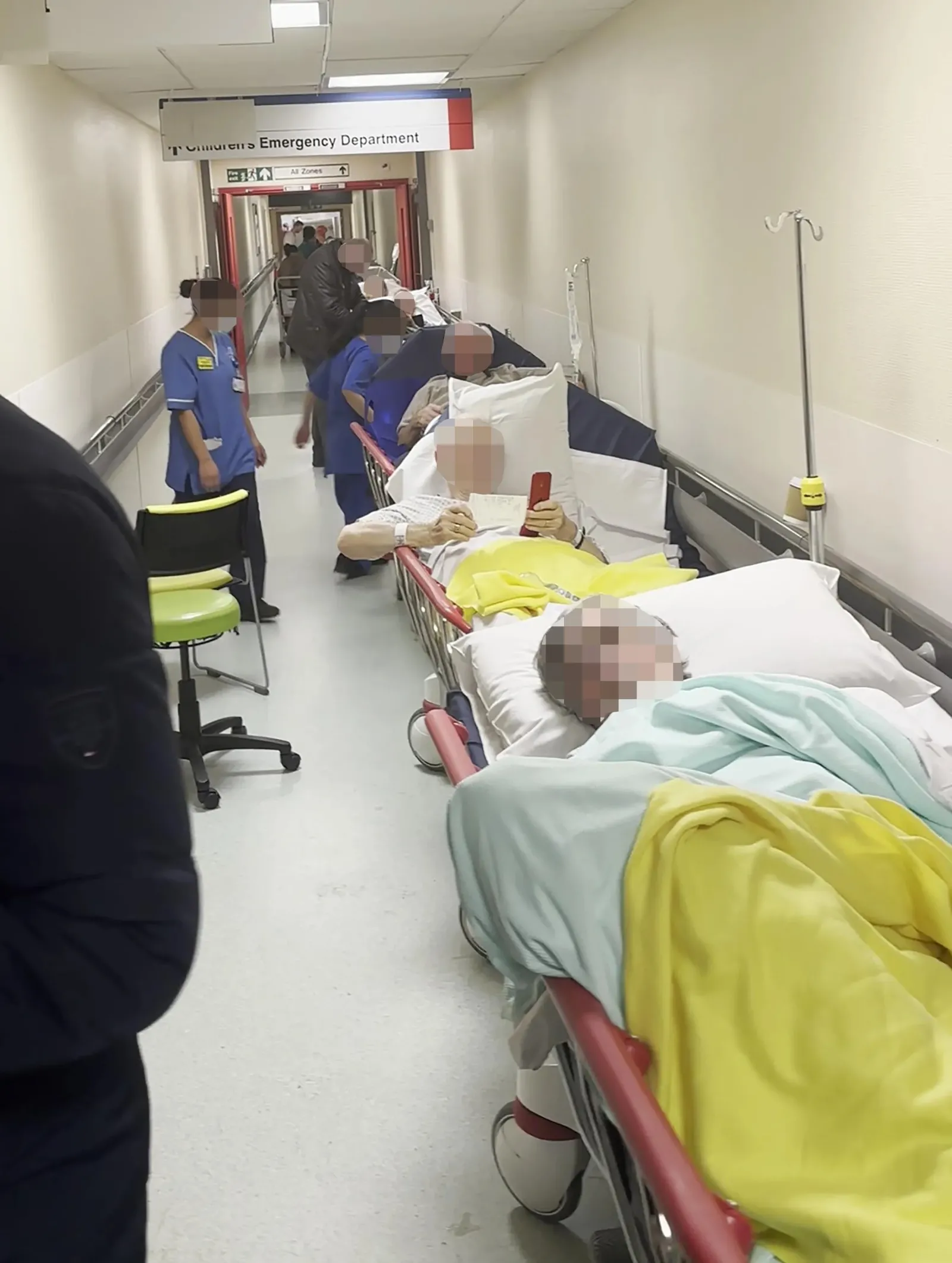
NHS Hospital Corridor Care Crisis Affects Vulnerable Patients Across England
More than half of all NHS trusts in England have breached NHS rules by treating vulnerable patients in hospital corridors this year, according to recent investigative research. The alarming findings show that at least ten trusts admitted children had been among the patients placed in non-clinical spaces while waiting for proper care. This practice, commonly referred to as corridor care, involves treating patients in hospital corridors or waiting areas while they wait for an open bed on a ward. Official NHS guidance states that corridor care must be avoided entirely for specific groups of patients, yet the data highlights a widespread failure to protect the most at-risk individuals within the healthcare system.
The extent of the issue was uncovered through data obtained by the BMJ, which found that 41 of 73 hospital trusts in England have broken NHS guidelines this year by providing corridor care to vulnerable groups. This comes as latest monthly NHS figures show that more than 3,500 patients a day received care in hospital corridors or makeshift treatment areas in England during October. Furthermore, nearly 58,000 patients waited more than 12 hours for a bed on a ward, an extreme delay that medical professionals confirm can double a patient risk of death. Doctors and healthcare leaders now warn that these figures point toward a severe winter crisis involving extensive ambulance delays and prolonged waits in casualty units.
Understanding NHS Guidelines on Vulnerable Patients in Corridors
NHS guidance explicitly lists categories of vulnerable patients who must never experience corridor care due to the severe risks involved. These protected groups include children, mental health patients, patients with learning disabilities, neurodivergence, or autistic patients. The restrictions also cover individuals with physical disabilities, those living with dementia, confusion, or delirium, patients confirmed or suspected of being infectious, and those who are severely frail. Before the Covid pandemic, placing patients in makeshift spaces was a rare occurrence limited to exceptional emergencies. However, the practice now happens thousands of times per month across the country, stretching hospital resources and staff to their absolute limits.
Medical experts emphasize that treating vulnerable individuals in non-clinical areas strips away their dignity and compromises their safety. Danielle Jefferies, a senior analyst at The Kings Fund, commented on the new BMJ figures by calling them a very shocking finding. While acknowledging the shock, she noted that the results are unfortunately not surprising given how prolific corridor care has become across the NHS. Jefferies added that the sheer scale of the issue makes it inevitable that some vulnerable groups end up being treated in corridors. Regarding children specifically, she stated that the situation should be a real worry because children often experience much better waiting times in A and E compared to adults. She expressed anxiety about the data heading into the winter months, warning that figures could worsen significantly.
Why Treating Children in Hospital Corridors Poses Severe Health Risks
The involvement of children in corridor care has alarmed pediatric experts and health advocates alike. Ronny Cheung, officer of health services at the Royal College of Paediatrics and Child Health, explained the physiological vulnerabilities that make non-clinical treatment particularly dangerous for young patients. He noted that children tend to hold their physiological status longer before deteriorating rapidly. Because sudden deterioration can happen without much warning, the ability to monitor a child constantly is far more critical than in adults. Being treated outside a normal clinical area removes those vital monitoring capabilities and poses a direct potential risk to the child health and recovery.
Russell Duncan, vice president of the Royal College of Emergency Medicine, offered a stark assessment of how overwhelmed emergency departments have become. Speaking to The BMJ, he stated that the scale of the problem with corridor care is so great that it simply isn't possible to protect a specific group. Despite official policies meant to shield children and vulnerable adults, the sheer volume of arrivals forces hospitals to use every available square foot of space. Nursing staff are left to manage patients in drafty hallways, disrupting privacy, increasing infection risks, and making clinical observation exceptionally difficult.
The Impact on Nursing Staff and End-of-Life Care Providers
The burden of managing patients in hallways falls heavily on nursing professionals who must deliver complex care without proper infrastructure. Professor Nicola Ranger, chief executive and general secretary of the Royal College of Nursing, condemned the reality of these conditions. Commenting on the new figures, she stated that it is not only a moral aberration for vulnerable people to be treated like this, but also deeply distressing for the nursing staff forced to deliver care in these circumstances. Nurses face moral injury daily as they try to maintain patient safety, privacy, and clinical standards in crowded corridors lacking basic medical gas supplies, call bells, and washing facilities.
The wider social care deficit also drives vulnerable people toward emergency departments when community support fails. Toby North, head of public affairs at end-of-life charity Marie Curie, pointed out that the crisis extends far beyond hospital walls. He explained that too many vulnerable patients, including people living with dementia and those approaching the end of life, are being forced to turn to hospitals and A and E in moments of crisis because they cannot access the support they need elsewhere. When local social care networks and palliative support systems are underfunded, patients inevitably end up in emergency departments, adding to the overwhelming demand that triggers corridor care.
Government and NHS Responses to the Growing Emergency Department Crisis
In response to the mounting public concern and investigative findings, health authorities have pledged corrective action. An NHS England spokesperson stated that caring for any patient in a corridor is never an acceptable situation, especially when those patients are some of our most vulnerable, so we are determined to tackle and end corridor care. The spokesperson outlined ongoing efforts to support hospitals facing the biggest challenges with corridor care. Additionally, the health service aims to provide patients and their families with more ways than ever before to get the care they need either at home or in the community, away from busy emergency departments. Alongside these NHS measures, the Government has made a formal pledge to eradicate corridor care entirely.
As hospitals prepare for the traditionally demanding winter period, public health analysts and medical unions continue to monitor the metrics closely. The combination of nearly 58,000 patients enduring 12-hour waits and thousands of daily corridor placements highlights an urgent structural challenge. While officials emphasize community alternatives and targeted hospital support, frontline staff remain concerned that capacity constraints will keep pushing vulnerable patients into hallways. The ongoing debate centers on whether policy pledges and funding adjustments can arrive fast enough to prevent further deterioration in emergency care standards across England.