Pakistan has formally requested Brazil's cooperation on genetically modified (GM) cotton seed, foot-and-mouth disease (FMD) control zones and broader agricultural technology as domestic cotton output has fallen to around 5.6 million bales.
Federal Minister for National Food Security and Research Rana Tanveer Hussain raised the issue in a meeting with a Brazilian delegation led by Deputy Secretary for Trade and International Relations Ambassador Rafael Guimarães Requião.
Why Pakistan Is Turning to Brazil for GM Cotton Seed
Pakistan's cotton sector has long been a pillar of the national economy, providing raw material for the textile industry, which accounts for roughly 60 % of the country's export earnings. Recent harvests have shown a steady decline, with the latest figure standing at about 5.6 million bales, well below the 7-8 million bales that the sector produced a decade ago.
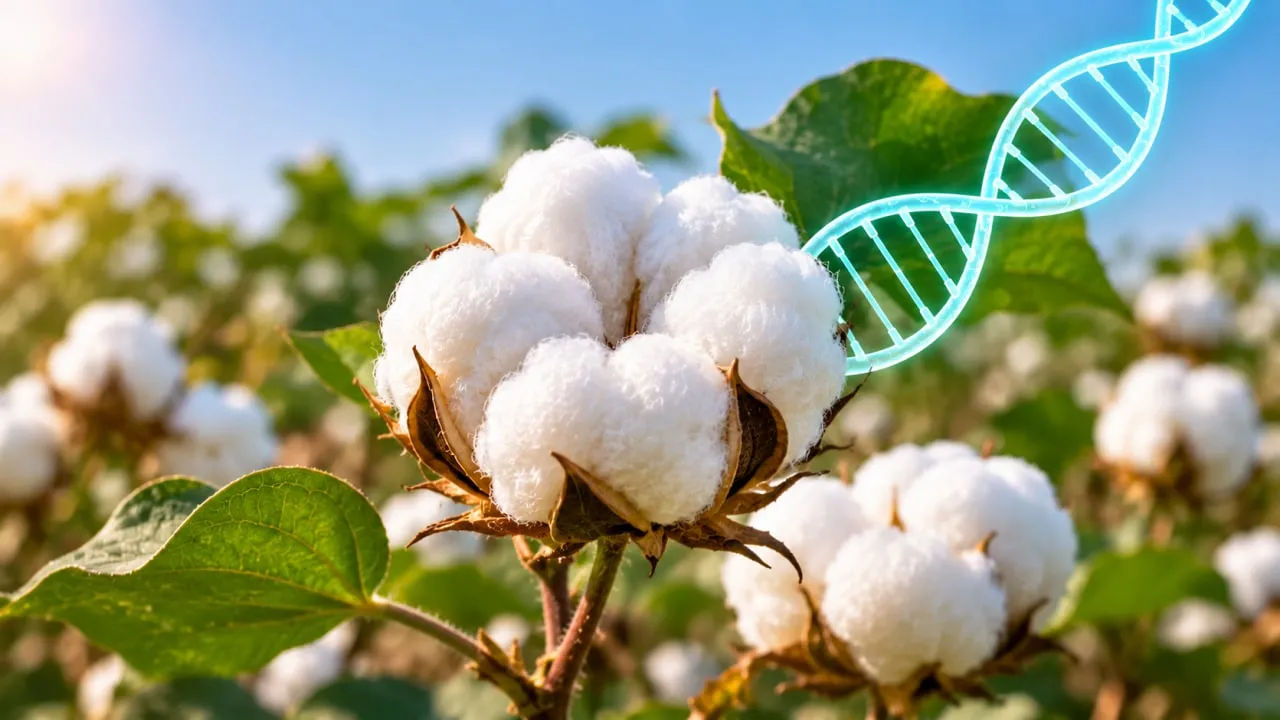
In response, the government announced a new GM policy earlier this year that permits the commercial cultivation of genetically engineered cotton varieties that promise higher yields, pest resistance and reduced pesticide use. The policy is designed to align Pakistan with global trends where GM cotton now occupies more than 80 % of planted area in leading producers such as the United States, India and China.
Minister Hussain highlighted the need for "better seed quality and high-yielding varieties" to reverse the downward trend. He specifically asked Brazil, a world leader in agricultural biotechnology, to supply GM cotton seed and share technical know-how on seed production, certification and biosafety compliance.
Regulatory Progress on GM Soybean Imports
During the same talks, the minister noted that Pakistan has completed the regulatory steps required to import GM soybean from Brazil. The approval follows a multi-year review by the Ministry of National Food Security and Research, which examined biosafety data, environmental impact assessments and food safety reports submitted by Brazilian exporters.
Hussain called on Brazilian authorities to provide the pending technical information needed for cotton seed imports, stressing that the same regulatory framework used for soybeans could be adapted for cotton once the data are received.
Brazilian Experience Guiding Pakistan's FMD Control Zones
Foot-and-mouth disease remains a persistent threat to Pakistan's livestock sector, which supports the livelihoods of more than 30 million small-holder farmers. Outbreaks can lead to severe production losses, trade bans and reduced animal health.
Pakistan is establishing four FMD control zones modeled on Brazil's successful disease-management programmes. Brazil's experience includes rigorous vaccination campaigns, quarantine protocols and the use of modern diagnostic laboratories.
Minister Hussain urged the rapid activation of the Joint Working Group on Livestock and Dairy Cooperation, a bilateral platform created to coordinate technical assistance, training and joint research on disease surveillance and vaccine development.
Broader Agricultural Trade and Export Aspirations
Beyond cotton, the meeting covered a wide range of agricultural trade issues. Bilateral trade between Pakistan and Brazil topped $1 billion in the fiscal year 2024-25, reflecting strong demand for Pakistani textiles and Brazilian commodities such as soybeans and meat.
Pakistan expressed interest in expanding exports of Basmati rice, mangoes, dates, citrus fruits and potatoes. Brazil confirmed that it has fulfilled the regulatory requirements for rice trade, opening a pathway for larger shipments.
Fisheries and Shrimp Farming Cooperation
Hussain also invited Brazilian investors to participate in commercial shrimp farming projects in the provinces of Punjab and Sindh. The proposal includes cooperation across the entire aquaculture value chain - from hatcheries and feed production to processing facilities and cold-chain logistics.
Brazil's aquaculture sector is among the world's most advanced, accounting for more than 10 % of global shrimp production. Pakistani officials see the partnership as a way to diversify export earnings and create skilled jobs in coastal and inland regions.
What the Request Means for Pakistani Farmers and Livestock Producers
If Brazil supplies GM cotton seed and shares biotechnology expertise, Pakistani cotton growers could access varieties that are tolerant to boll-worm, drought and soil salinity. Higher yields would reduce the cost per bale, improve farmer incomes and strengthen the supply chain for textile manufacturers.
Effective FMD control zones would lower disease incidence, protect herd health and enable Pakistani livestock products to meet the sanitary standards required by key export markets such as the Gulf Cooperation Council and the European Union.
In the shrimp sector, Brazilian investment could bring modern hatchery designs, automated feeding systems and cold-storage facilities, raising the overall productivity of Pakistan's aquaculture industry.
Next Steps and Timeline
The two sides agreed to formalise a memorandum of understanding (MoU) within the next two months. The MoU will outline the specific quantities of GM cotton seed, the schedule for establishing the four FMD zones and the framework for joint research projects.
Pakistan's regulatory agencies will continue to review the pending technical dossiers on cotton seed, while Brazil will prepare a detailed proposal for shrimp-farm investment, including financing options and technology transfer plans.
Stakeholders are advised to monitor announcements from the Ministry of National Food Security and Research and Brazil's Ministry of Agriculture, Livestock and Supply for updates on approvals, shipment schedules and joint venture formations.
In the meantime, Pakistani cotton farmers, livestock owners and aquaculture entrepreneurs are encouraged to engage with local extension services to prepare for the introduction of new seed varieties, vaccination protocols and modern farming equipment.