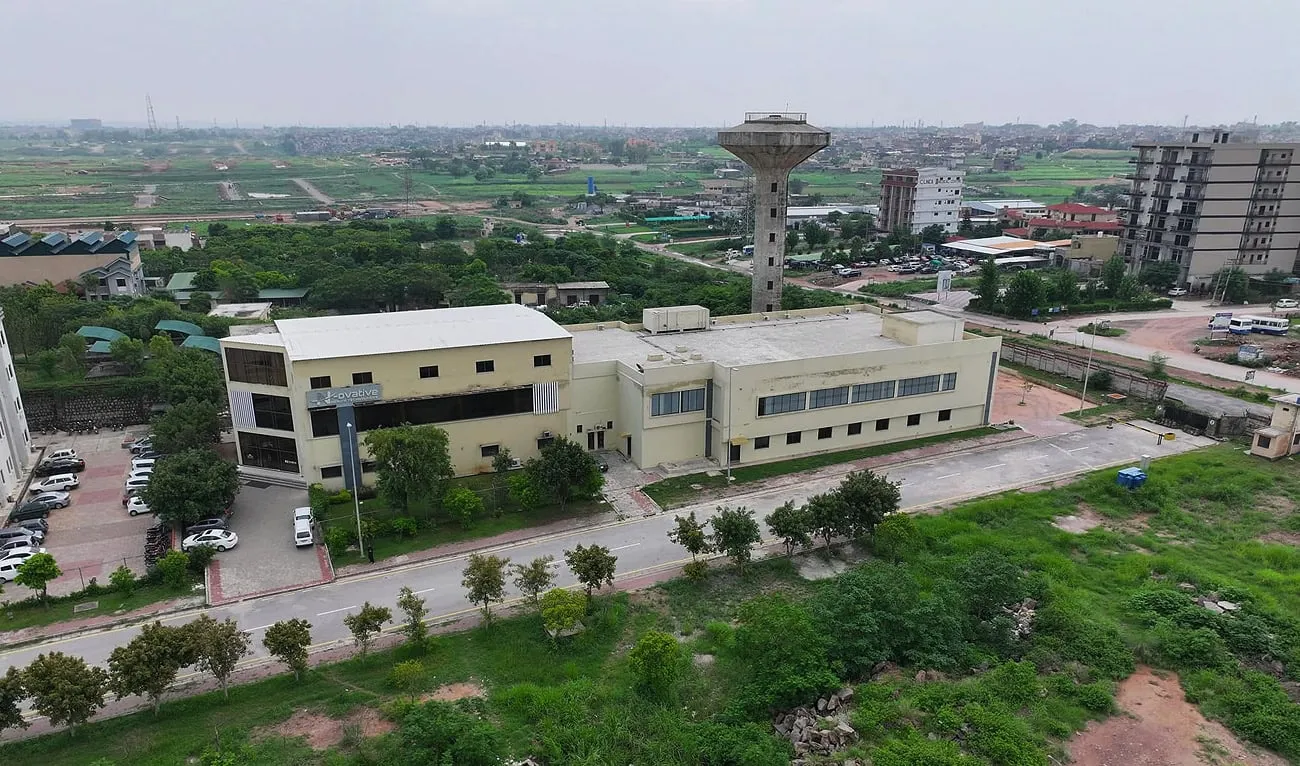
Pakistan is developing 32 technology zones across seven clusters to strengthen its IT industry and attract investment. The government has already attracted Rs100 billion in investment through these projects. Another Rs105 billion worth of investment proposals are currently under consideration.
What Are the New Technology Zones and How Many Are Operational?
The plan covers 32 zones, grouped into seven geographic clusters that will host a range of IT and IT-enabled services firms. According to the latest briefing, 21 of the 32 zones are now operational, while the remaining 11 are under construction. Around 300 technology companies have already set up offices in the operational zones.
Why the Government Is Pursuing Technology Zones
Pakistan's IT sector has grown steadily over the past decade, contributing roughly 2 percent of GDP and generating export earnings of over $2 billion annually. The Special Technology Zones Authority (STZA) was created in 2021 to provide a regulatory framework, tax incentives, and infrastructure support for firms that locate within designated zones. By concentrating resources, the authority hopes to create economies of scale, improve skill development, and raise the country's profile in the global outsourcing market.
How the Initiative Was Presented to the Cabinet
The progress was shared during a review meeting chaired by Prime Minister Shehbaz Sharif. The meeting examined the performance of the Special Technology Zones Authority (STZA) and its ongoing projects. During the session, the prime minister ordered a third-party audit of all operational IT parks under STZA and directed a review of the law governing the authority. The review aims to prevent possible misuse of provisions related to establishing technology companies within these zones.
Investment Landscape: Committed and Proposed Capital
The government reports that Rs100 billion has already been secured for the zones. An additional Rs105 billion in proposals is under consideration, bringing the total potential investment to Rs205 billion. These figures include both domestic investors and foreign entities attracted by tax holidays, duty-free import of equipment, and streamlined licensing procedures.
Expected Economic Impact
The prime minister stressed the need to make special technology zones more effective. He said Pakistan must fully use its IT export potential to support economic growth and create jobs for young people. If the zones achieve their targets, they could generate thousands of new jobs, increase export revenues, and stimulate ancillary services such as real-estate, logistics, and training. The government hopes the zones will also encourage start-ups to scale up, reducing the brain-drain that has affected the sector.
Regulatory Safeguards and Audits
To ensure transparency, the prime minister ordered an independent audit of all operational parks. The audit will examine financial compliance, land use, and the allocation of incentives. A parallel legal review will assess whether the existing STZA Act needs amendment to close loopholes that could be exploited for non-technology activities.
What Comes Next for the Remaining Zones
The 11 zones still under construction are slated for completion by the end of the fiscal year 2027-28, according to STZA timelines. Once operational, they will be offered to both existing firms looking to expand and new investors seeking entry points. The authority will continue to market the zones through trade missions, digital forums, and partnerships with international tech clusters.
Practical Takeaways for Companies and Investors
Firms interested in locating in a Pakistani technology zone should prepare the following:
- Submit a detailed project proposal to STZA, outlining capital investment, job creation, and technology focus.
- Be ready to comply with the audit requirements, including financial reporting and site inspections.
- Take advantage of tax exemptions that apply for the first five years of operation.
- Engage with local training institutes to source skilled graduates.
By following these steps, companies can position themselves to benefit from the incentives and infrastructure that the zones promise.
Broader Context: Pakistan's IT Policy Roadmap
Pakistan's National IT Policy, first introduced in 2000 and revised in 2019, set a target of $5 billion in IT exports by 2025. The technology zone programme is the flagship component of that roadmap, intended to bridge the gap between policy ambition and on-the-ground capacity. Success will depend on reliable power supply, broadband connectivity, and the ability to retain talent.
International Comparisons
Countries such as India, Malaysia, and Kenya have used similar zone models to attract multinational tech firms. In India, the Software Technology Parks of India (STPI) network has facilitated export growth of over $30 billion annually. Pakistan's approach mirrors these examples but adds a focused audit and legal review to address governance concerns that have hampered earlier attempts.
Conclusion
The announcement of 32 technology zones marks a decisive step for Pakistan's ambition to become a regional hub for IT services. With 21 zones already functional, Rs100 billion secured, and a further Rs105 billion under review, the government is positioning the sector as a key driver of export earnings and job creation. The upcoming audit and legal review will test the robustness of the framework, while the construction of the remaining zones will determine whether the target of a vibrant, export-oriented tech ecosystem can be realized.