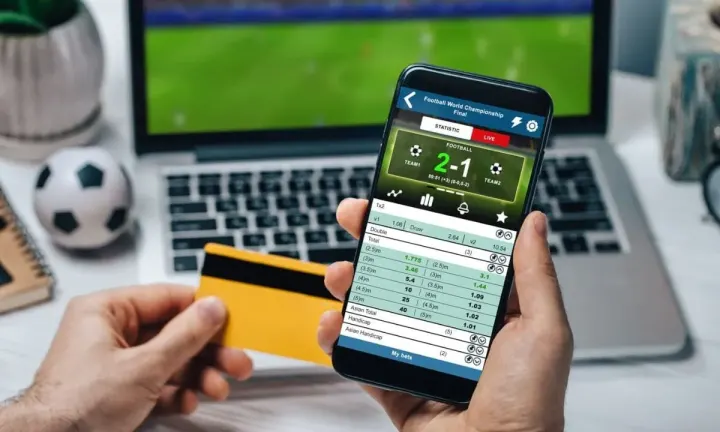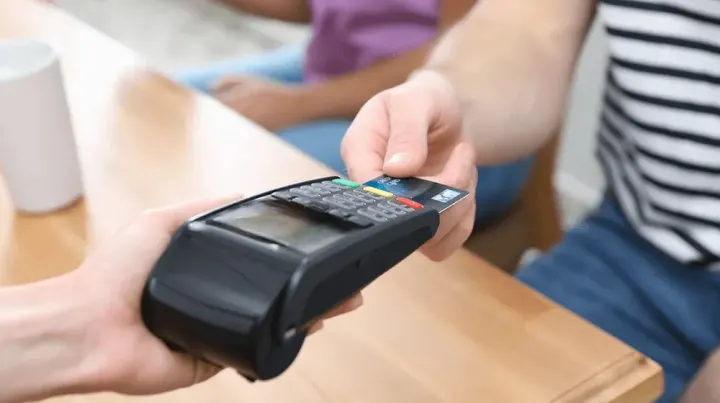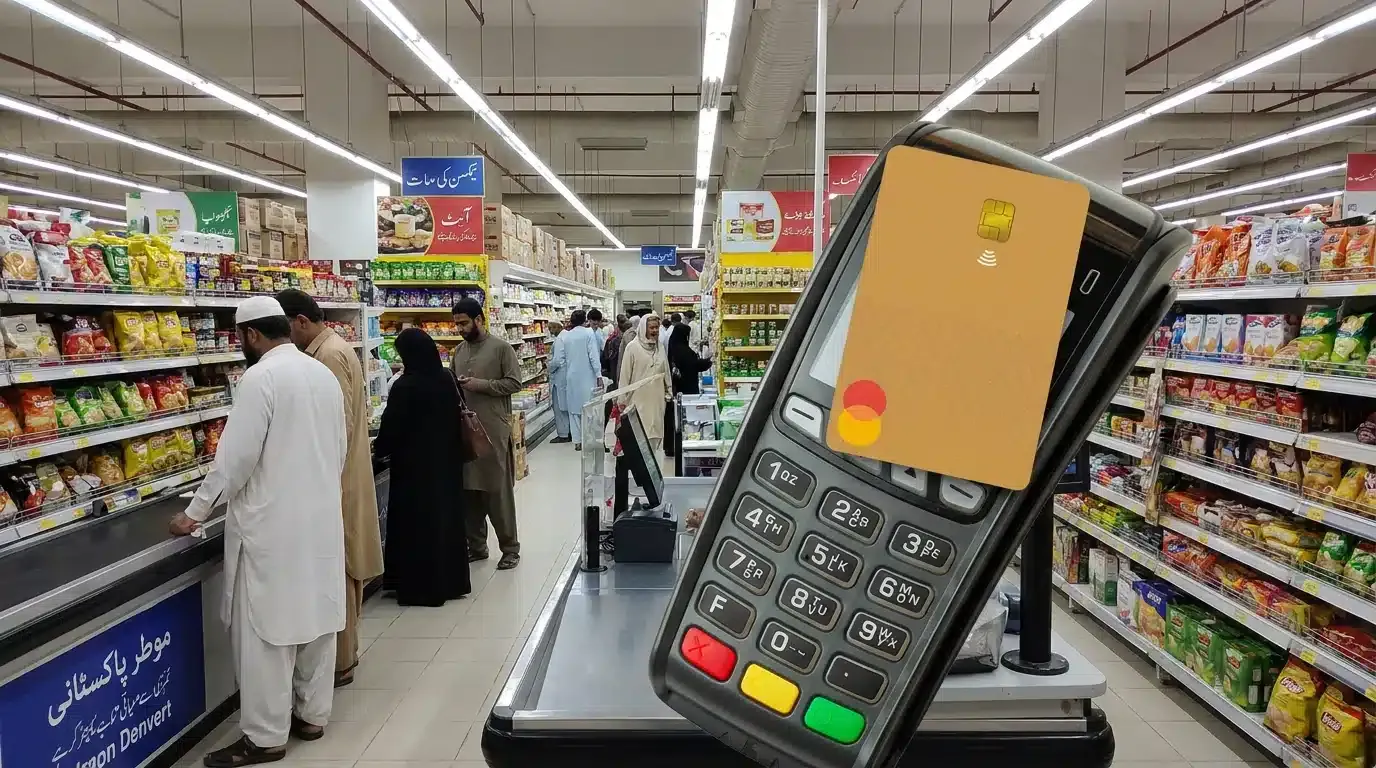
The State Bank of Pakistan (SBP) cannot force shops and superstores like Metro to accept contactless payments made through smartphones, smartwatches and other wearable devices, as merchants are not directly regulated by it.
SBP informed ProPakistani that it does not regulate merchants and cannot direct them to accept any particular payment method.
Several shops have stopped accepting or restricted NFC payments made through digital devices, creating a grey area over whether retailers can refuse phone-based payments but continue accepting contactless debit and credit cards.
This means the central bank cannot compel sellers to restore phone-based contactless payments or require them to support a specific digital payment method.
Why the Decision Matters for Consumers and Retailers
Pakistan's payments ecosystem has grown rapidly in the last five years, driven by the adoption of chip-and-pin cards, mobile banking apps and the introduction of the domestic PayPak scheme. Yet the final step, universal acceptance of tap-to-pay via smartphones and wearables, remains uneven. The SBP's clarification confirms that the regulatory gap between the central bank and individual merchants leaves the choice of which contactless channels to support in the hands of each retailer.
For consumers who have shifted spending to digital wallets and NFC-enabled devices, the news explains why a purchase that works with a contactless card may fail when the same amount is attempted with a phone. It also reassures users that the central bank is not planning an immediate mandate to force universal acceptance.
Background: Evolution of Contactless Payments in Pakistan
Contactless technology first entered the Pakistani market in 2018 when major banks launched NFC-enabled debit and credit cards. The rollout was supported by SBP's 2019 "National Payments Strategy," which encouraged banks to expand card-based transactions and to develop a robust digital payments infrastructure.
In 2020, the PayPak network, Pakistan's home-grown card scheme, added NFC capability, allowing PayPak cards to be used for tap-to-pay at terminals that support the standard. By 2022, most urban merchants had upgraded point-of-sale (POS) terminals to accept contactless cards, and the average contactless transaction value rose to roughly Rs. 1,200.
Smartphone penetration reached 78 % in 2023, and major banks introduced QR-based and NFC-based mobile wallets. Apps such as JazzCash, Easypaisa and bank-specific wallets began offering tap-to-pay through Android and iOS devices. However, acceptance of these phone-based methods has been inconsistent because merchants must enable the specific software on their POS terminals, a step that involves additional cost and training.
Explainer: How Contactless Payments Work and Who Regulates What
When a consumer taps a card or device on an NFC-enabled terminal, the terminal reads a tokenized version of the card number and sends a request to the acquiring bank, which forwards it to the payment scheme (Visa, Mastercard or PayPak). The scheme applies its rules, checks the transaction against fraud filters and, if approved, authorises the payment.
The SBP regulates banks, payment processors and the overall payments infrastructure, but it does not directly regulate individual merchants. Merchants sign agreements with acquiring banks, and those banks, in turn, enforce the scheme's rules at the merchant level. This three-tier model means that the central bank can set limits (such as the Rs. 3,000 PIN-free ceiling) but cannot dictate that a shop must keep a particular NFC channel open.
Liability for disputed contactless transactions follows the scheme's dispute-resolution framework. If a transaction is flagged as fraudulent, the payment scheme investigates the circumstances, looking at whether the merchant followed proper authentication procedures, whether the acquiring bank applied risk controls, and whether the cardholder complied with security guidelines.
Liability Rules for PIN-Free Contactless Payments
Who Is Responsible if a Contactless Payment Is Fraudulent?
The central bank has clarified how liability is determined when a PIN-free contactless payment is disputed as fraudulent.
Payment schemes such as Visa, Mastercard and PayPak have dedicated liability and dispute-resolution frameworks covering customers, merchants and acquiring banks.
Responsibility is determined on a case-by-case basis, depending on the actions, omissions or negligence of the parties involved.
This means liability is not automatically assigned to the customer or merchant whenever a contactless transaction is disputed.
SBP said these payment-scheme rules contain detailed provisions governing the rights and responsibilities of all parties and are designed to protect customers.
In practice, if a merchant fails to enforce a transaction limit or neglects to update its terminal firmware, the acquiring bank may bear the loss. Conversely, if a cardholder's device is compromised and the fraud originates from the token, the scheme may shift responsibility to the issuer.
Current PIN-Free Limit Confirmed at Rs. 3,000
SBP Confirms Rs. 3,000 Limit for PIN-Free Payments
The central bank has also settled a question over the maximum amount allowed for contactless transactions without entering a PIN.
ProPakistani has confirmed that the current limit for PIN-less contactless payments in Pakistan is Rs. 3,000, rather than Rs. 3,500. This clarification is important for users who rely on tap-to-pay services through smartphones, smartwatches and physical contactless cards.
The limit applies uniformly to all NFC-enabled cards and devices that operate under Visa, Mastercard or PayPak rules. Transactions exceeding Rs. 3,000 automatically prompt the terminal to request a PIN, regardless of the payment method.
As the world moves toward advanced payment options and AI, merchants in Pakistan still have substantial influence over the availability of individual payment methods even when the payment infrastructure supports them.
Impact on Different Stakeholders
Consumers who rely on phone-based wallets may face inconvenience when a retailer disables NFC for smartphones but continues to accept contactless cards. The inconvenience is especially acute for younger users who have migrated most of their spending to mobile wallets.
Retailers gain flexibility to manage operational costs. Enabling phone-based NFC often requires software licenses, periodic terminal updates and staff training. Small shops may choose to limit acceptance to card-only contactless to reduce these burdens.
Acquiring banks must ensure their merchant-onboarding processes clearly communicate which NFC channels are supported. They also need to keep merchants informed about scheme-level liability rules to avoid disputes that could affect their own risk exposure.
Payment schemes benefit from a clear, uniform liability framework, which helps maintain consumer confidence in contactless technology and supports the broader goal of a cash-lean economy.
What Comes Next: Monitoring, Enforcement and Consumer Guidance
SBP has indicated that it will continue to monitor the overall health of the payments ecosystem but will not issue a directive forcing merchants to accept phone-based contactless payments. Instead, the central bank may work with the Pakistan Payments and Settlement System (PPSS) to issue best-practice advisories for merchants.
Consumers who encounter a refusal should first ask the retailer for the specific reason, whether the terminal is not configured for phone-based NFC or whether the merchant has chosen to limit acceptance. If the issue persists, they can lodge a complaint with their card-issuing bank, which will then engage the relevant payment scheme.
Businesses that wish to expand their NFC acceptance can contact their acquiring banks for a list of compatible terminals and software updates. The banks typically charge a modest annual fee for the additional licensing required to support mobile wallets.
Regulators are expected to review the impact of the current arrangement during the next quarterly payments-system report, which will include data on the share of transactions by method, fraud rates and merchant adoption trends.
In the meantime, users should keep track of the Rs. 3,000 PIN-free limit and be prepared to enter a PIN for larger purchases, regardless of whether they pay with a card or a phone.