Pakistan Gold And Silver Prices Surge Today Amid US Iran Tensions
Precious metal markets in Pakistan are experiencing severe upward pressure today, on 25-Nov-2026, as international geopolitical shocks ripple through local trading floors. Stalled diplomatic negotiations between the United States and Iran have created a sudden deadlock, triggering immediate anxiety across global commodity exchanges. Investors around the world are rushing to secure their capital, abandoning riskier assets in favour of traditional safe-haven instruments. This global shift directly impacts local markets, where domestic bullion dealers constantly adjust their boards to match international movements.
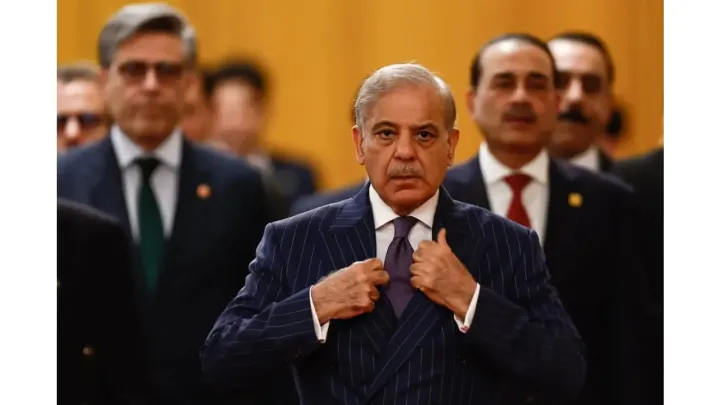
The immediate catalyst for this price movement stems from a sharp breakdown in diplomatic channels between Washington and Tehran. President Trump recently demanded historical conflict compensation from Tehran. This hardline stance effectively freezes ongoing peace talks that many analysts hoped would stabilize the region. The sudden halt in negotiations crushes any immediate hope of reopening the Strait of Hormuz, a critical maritime chokepoint for international petroleum shipments.
How International Oil Spikes Fuel Precious Metal Demand
The closure of the Strait of Hormuz immediately chokes off a massive volume of daily crude oil supplies, sending shockwaves through global energy markets. Spiking global oil prices instantly fuel fresh inflation fears among consumers and institutional investors alike. Energy costs touch every single sector of the modern economy, from manufacturing to logistics, driving up the cost of goods worldwide. When fiat currencies face the dual threat of inflation and geopolitical instability, capital flees toward tangible assets that have retained value for millennia.
Anxious investors aggressively buy gold and silver to hedge against the eroding purchasing power of paper money. Bullion demand routinely spikes during periods of military escalation or trade blockades in the Middle East. Because precious metals are priced in US dollars globally, currency fluctuations tied to energy costs compound the upward pricing trend. Traders watch energy futures and diplomatic wires simultaneously, reacting to every bulletin with fresh orders for bullion.
Current Gold And Silver Rates In Pakistan Today
Local Sarafa markets in Pakistan are constantly adjusting prices to absorb these macroeconomic hits. Buyers and sellers across major urban centres face dramatically higher costs for both primary precious metals. For gold of 24-karat purity, the rates stand at substantial highs across all standard local weight measurements. A single tola of gold costs Rs. 367,500 in local markets today. Buyers purchasing smaller quantities face rates of Rs. 315,077.20 for 10 grams and Rs. 31,507.72 for 1 gram.
Silver follows a similar upward trajectory within domestic trading circles, tracking international spot movements closely. The local price for a tola of silver reaches Rs. 4,209.33 today. For those trading in metric units, 10 grams of silver costs Rs. 3,608.90, while a single gram is priced at Rs. 360.89. Jewelers and industrial users alike must navigate these elevated pricing tiers as local merchants pass on the costs of importing refined bullion under current global conditions.
Global Spot Prices For Gold And Silver
The domestic figures in Pakistan derive directly from benchmark rates established on international commodity exchanges. On the global spot market, professional traders exchange bullion at rates that reflect immediate worldwide supply and demand pressures. Spot gold trades at $3,543.51 per troy ounce. Meanwhile, spot silver commands $40.604 per troy ounce on international trading desks.
These international benchmarks fluctuate second by second as macroeconomic data releases, central bank policies, and geopolitical headlines cross trading terminals. When major suppliers or transit routes face disruption, spot prices register immediate gains. The spread between international spot rates and local retail prices in Pakistan accounts for import duties, shipping logistics, insurance, and local dealer margins.
Background And Economic Impact On Local Consumers
Precious metals hold a unique position in South Asian economies, serving not only as luxury adornments for weddings and cultural events but also as vital family savings instruments. Households traditionally convert liquid savings into physical gold or silver to protect against domestic currency devaluation and high inflation rates. When international conflicts drive up the cost of bullion, ordinary citizens find traditional investment milestones, such as marriage preparations or emergency asset liquidation, significantly more expensive.
Local businesses in the jewelry manufacturing sector also feel the squeeze, as higher input costs depress retail sales volumes. Small-scale artisans and retail shop owners report reduced foot traffic when prices reach record territories, as everyday consumers postpone discretionary purchases. Wholesalers must manage tighter cash flow requirements to maintain basic inventory levels under high valuation conditions.
What To Watch For In Future Precious Metal Markets
Market participants must monitor several key developments in the coming days to anticipate where bullion rates will head next. The primary variable remains the diplomatic stance between the United States and Iran, specifically whether mediators can revive stalled talks or if tensions will escalate further. Any diplomatic breakthrough that signals a potential reopening of the Strait of Hormuz could trigger a rapid correction in global oil prices, which would subsequently cool down safe-haven demand for gold and silver.
Additionally, observers should keep a close eye on upcoming statements from major central banks regarding interest rates and monetary policy responses to energy inflation. Sarafa markets in Pakistan will continue to mirror these international signals instantly, meaning domestic buyers must stay informed of daily currency shifts and global commodity tickers before executing major transactions.