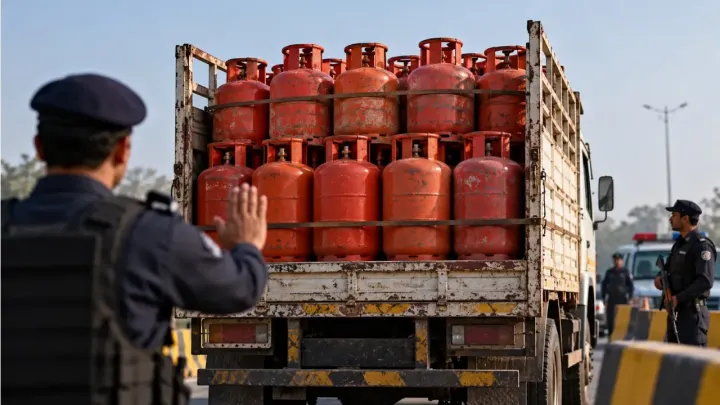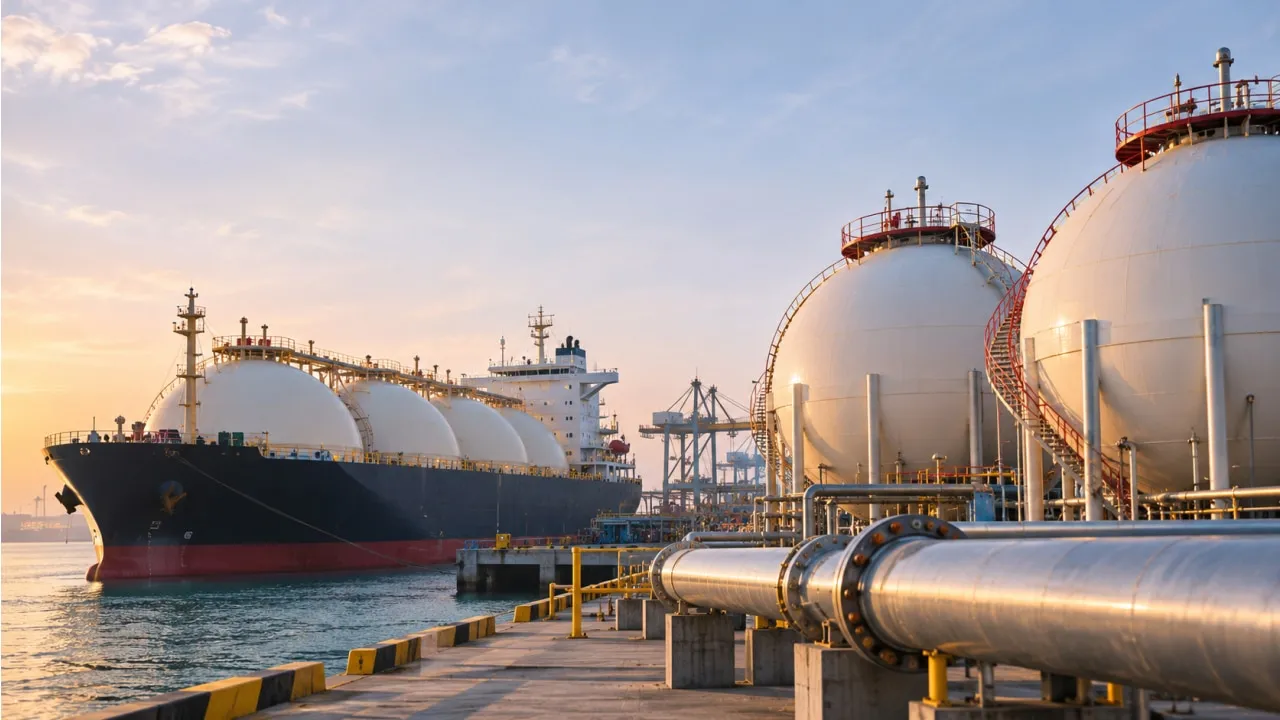
Pakistan is preparing a substantial upgrade to its liquefied petroleum gas import network, requiring an estimated $1 billion in funding across the coming three to five years.
Federal cabinet approval has been sought for these proposals as part of a wider sector revamp, designed to tackle port and storage bottlenecks, enable larger shipments, and boost national capacity for growing demand via new terminals, storage sites, and transport systems.
Current deficiencies in the import setup are outlined in the official summary, noting that two terminals at Port Qasim hold roughly 6,500 metric tons of storage each and handle vessels up to 10,000 deadweight tons, falling short of global benchmarks of 30,000 to 50,000 deadweight tons.
A lack of refrigerated storage and inter-terminal pipelines further limits the nation from taking in larger deliveries and achieving better economies of scale.
Projected demand through FY2035-36 pushes the need for roughly $1 billion in funding over the next three to five years to build extra terminals, storage sites, cylinders, filling plants, and transport networks.
To overcome these hurdles, the new guidelines suggest setting aside land and berth space at Port Qasim for a 40,000-metric-ton LPG terminal, starting with a first phase providing 10,000 to 12,000 metric tons of land-based storage connected to the SSGC jetty.
Vessel sizes are currently limited by the 10-metre draft at the SSGC LPG jetty, prompting a proposed feasibility study to weigh dredging the Port Qasim approach channel for 25,000 deadweight ton vessels against building a jetty for very large gas carriers and a refrigerated terminal.
State-owned firms could gain temporary access to current terminals and storage sites in the meantime, while PSO and SLL might secure authorization for long-term and government-to-government supply contracts, mirroring the KPC high-speed diesel deal, to act as a national import backstop.
Additional storage and handling capacity may also be developed or contracted by state-owned entities.