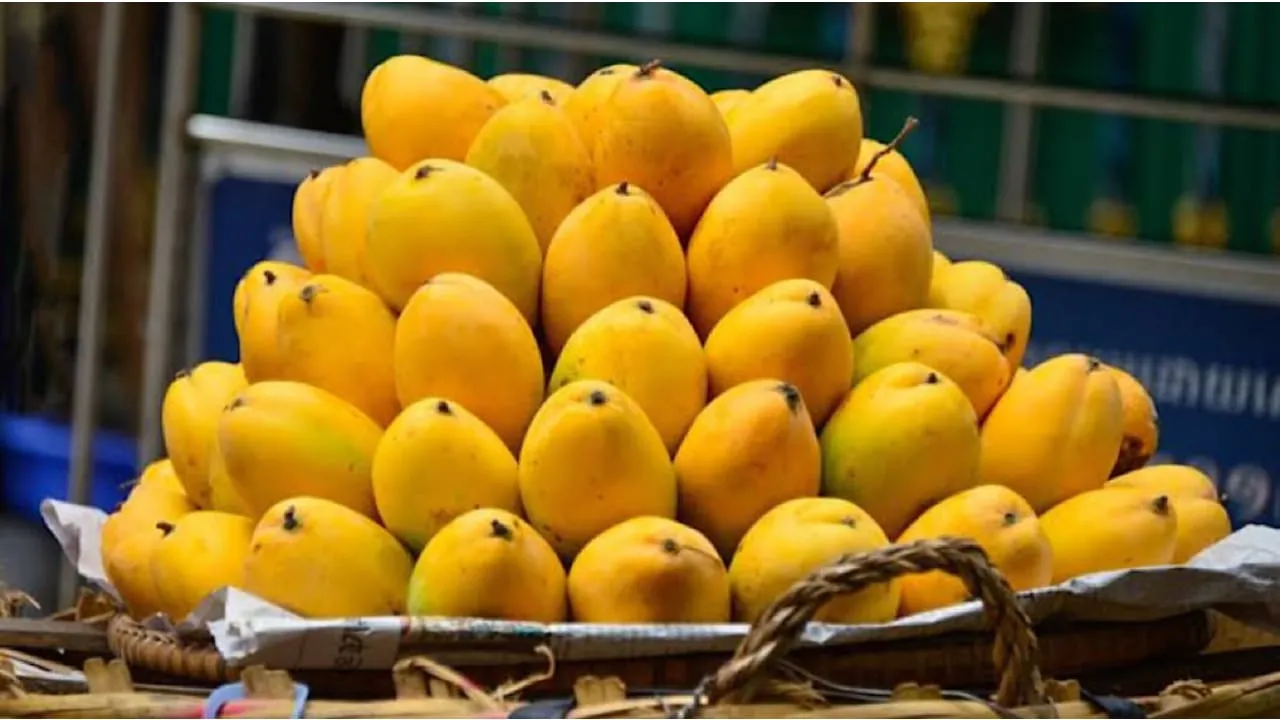
Pakistan suffered a severe economic blow to its agricultural sector this year as mango export earnings fell from approximately $100 million to around $60 million. Industry figures released Wednesday showed a sharp 36 percent decline in total shipment volumes, driven by international conflict and rising transportation expenses that squeezed local producers and traders.
The All Pakistan Fruit and Vegetables Exporters Association revealed that the country shipped 78,000 metric tons of mangoes this season. This figure represents a major drop compared to the 123,000 metric tons exported during the previous year, highlighting the vulnerability of perishable agricultural supply chains to geopolitical instability in distant regions.
How the US-Iran Conflict Impacted Pakistani Mango Shipping Routes
The primary driver behind the export slump is the ongoing US-Iran war, which created dangerous conditions along vital international maritime pathways. Waheed Ahmed, head of the All Pakistan Fruit and Vegetables Exporters Association, explained that regional hostilities forced the near-closure of the Strait of Hormuz for months.
This narrow maritime bottleneck connects the Persian Gulf with the Gulf of Oman and the Arabian Sea, serving as a lifeline for trade between South Asia and the Middle East. With commercial vessels facing severe security risks, standard maritime routes became largely unusable, forcing shipping companies to alter paths or suspend operations.
Surging Freight Costs and Extended Transit Times for Perishable Goods
The maritime crisis triggered exponential increases in the cost of moving cargo from Pakistan to international buyers. Before the outbreak of the US-Iran war, standard freight rates ranged between $1,000 and $1,400 per container.
Following the outbreak of hostilities and the subsequent maritime restrictions, those charges climbed to approximately $8,000 per container. For exporters dealing with highly perishable goods like fresh fruit, the combination of soaring transport expenses and extended delivery times proved financially devastating.
Mangoes possess a limited shelf life and require prompt delivery to maintain freshness upon arrival at destination markets. Extended transit durations caused by altered shipping routes led to high spoilage rates, reducing the marketable volume of fruit reaching buyers.
Decline in Middle Eastern Markets and Regional Trade Barriers
The Middle East traditionally absorbs a large share of Pakistan's annual agricultural harvest, but shipments to the region plummeted from 36,000 metric tons down to just 14,500 metric tons this year. This represents a drop of more than 59 percent in regional deliveries.
The United Arab Emirates and Oman remain the primary Middle Eastern destinations for Pakistani mangoes, particularly the internationally acclaimed Chaunsa variety. Saudi Arabia, Kuwait, and Qatar also stand as significant buyers of the fruit, according to data from the exporters association.
Beyond maritime disruptions in the Persian Gulf, trade with immediate neighbors also encountered severe obstacles. Exports to neighboring Afghanistan faced consistent disruptions caused by frequent border closures, driven by strained political relations between the two governments, according to Waheed Ahmed.
Understanding Pakistan's Position in the Global Mango Market
Pakistan has long held a prominent position in the agricultural sphere as a major producer and exporter of tropical fruit. Until 2018, the nation maintained a steady output of approximately 1.9 million metric tons of mangoes annually.
This output placed the country as the world's sixth largest producer of the fruit, trailing only India, China, Thailand, Indonesia, and Mexico. The nation's diverse agricultural zones, particularly in the provinces of Punjab and Sindh, provide ideal soil and weather conditions for cultivating numerous distinct mango varieties.
Climate Change and Falling Domestic Production Volumes
While geopolitical conflicts damaged international trade pathways, domestic agricultural output faced compounding pressures from environmental shifts. Over the past four years, total domestic production has experienced a steady downward trend.
The All Pakistan Fruit and Vegetables Exporters Association identified global warming and climate change as major contributing factors behind this agricultural decline. Environmental shifts have reduced Pakistan's total mango production by 35 percent, compounding the financial losses suffered by local growers who already struggle with rising input costs, water scarcity, and erratic weather patterns.





