The Pakistan Telecommunication Authority (PTA) has approved the procurement of a licence for a new firewall, the USG-6630E, to strengthen security monitoring of digital platforms, including social media.
What Is the USG-6630E Firewall and Why Is It Needed?
The USG-6630E is a next-generation firewall built on modern technology that combines intrusion prevention, deep packet inspection, and application-level control. It is designed to identify and block malicious traffic, enforce policy rules, and provide detailed logs for regulatory oversight. For a regulator like PTA, the ability to monitor social media traffic in real time is critical because these platforms are frequently used for the spread of disinformation, extremist content, and illicit commercial activity.
How PTA Plans to Acquire the Firewall
PTA will invite bids and proposals from international companies for the licence. The procurement will be conducted under the Public Procurement Rules 2026, together with the Authority's own rules, regulations, regulatory guidelines and procurement guidelines. The process will follow a Single Stage-One Envelope procedure, meaning that technical and financial proposals will be submitted together in a single sealed envelope.
Selection will be made through the Least Cost Based Selection (LCBS) technique. Under LCBS, the evaluation committee first checks that each bidder meets the technical and legal criteria. Once a bidder is deemed compliant, the contract is awarded to the lowest-priced offer that satisfies all requirements. This method is intended to ensure transparency while achieving cost efficiency for the public sector.
Background: PTA's Role in Regulating Digital Content
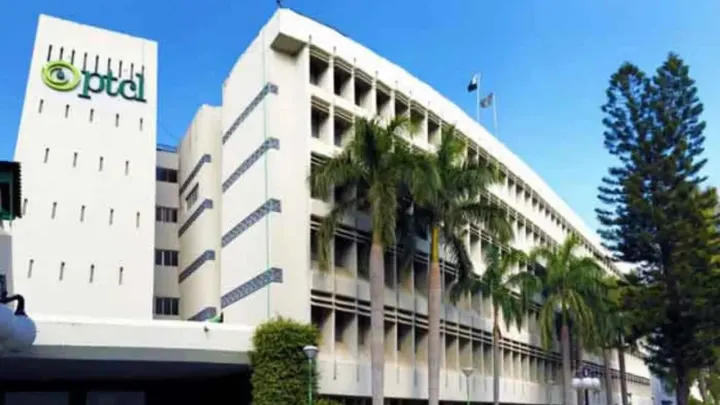
Established in 1996, PTA is the federal agency responsible for licensing, regulating and monitoring all telecommunications services in Pakistan. Over the past decade, its mandate has expanded to include oversight of internet traffic, content filtering, and the enforcement of the Pakistan Telecommunication (Re-organization) Act, 1996. The Authority has previously deployed content-filtering solutions to block illegal websites and to enforce court orders against extremist material.
Social media platforms such as Facebook, Twitter, TikTok and local services have become primary channels for public discourse. The rapid growth of these platforms has raised concerns among regulators about the spread of hate speech, fake news, and content that may threaten national security. In response, PTA has issued several directives requiring platforms to store user data locally, provide real-time access to law-enforcement agencies, and comply with takedown orders.
Legal Framework Guiding the Procurement
The Public Procurement Rules 2026 set out the procedures for acquiring goods, services and works by government bodies in Pakistan. Key provisions include:
- Requirement for open and competitive bidding to ensure fairness.
- Specification of procurement methods, including Single Stage-One Envelope for low-value or technically simple contracts.
- Use of the Least Cost Based Selection technique for contracts where price is the dominant factor after technical compliance.
- Obligations for transparency, such as publishing bid notices, evaluation reports and contract awards.
PTA's own procurement guidelines align with these rules, adding sector-specific criteria such as cybersecurity standards, compatibility with existing network infrastructure, and the ability to support multilingual content filtering.
Impact on Internet Service Providers and Platform Operators
Internet service providers (ISPs) will be required to integrate the USG-6630E firewall into their upstream routing points. This integration will enable PTA to capture metadata and content signatures from social media traffic traversing Pakistani networks. For platform operators, the firewall will create a technical checkpoint where PTA can enforce content removal orders more swiftly.
While the firewall promises enhanced security, it also raises operational concerns. ISPs may need to upgrade their hardware to handle the additional processing load, potentially incurring extra costs. Platform operators may need to adjust their data-transfer protocols to avoid false positives that could disrupt legitimate user activity.
Potential Benefits and Criticisms
Proponents argue that the firewall will help curb the spread of extremist propaganda, protect citizens from online fraud, and give law-enforcement agencies a reliable tool for investigations. By centralising monitoring, PTA hopes to reduce the time needed to issue takedown notices and to improve compliance with court orders.
Critics, however, warn that such a powerful monitoring tool could be misused to suppress dissent or to infringe on privacy rights. Human-rights groups have previously called on PTA to adopt transparent oversight mechanisms and to publish regular audit reports on the firewall's usage.
What Comes Next: Timeline and Next Steps
PTA has not disclosed a specific deadline for the bid submission, but under the Public Procurement Rules 2026, the authority must publish a bid notice at least ten days before the closing date. Once bids are received, the evaluation committee will have up to fifteen days to verify technical compliance, followed by a thirty-day period for price verification and final award.
After the contract is awarded, the selected vendor will be expected to deliver the licence and associated technical support within ninety days, subject to PTA's acceptance testing. Training sessions for PTA staff and designated ISP personnel are also planned to ensure proper configuration and operation of the firewall.
Practical Takeaways for Stakeholders
For ISPs, the immediate action is to review existing network capacity and to prepare for possible integration work. Companies interested in bidding should ensure they meet the technical specifications outlined in the forthcoming tender documents, including compliance with international cybersecurity standards such as ISO/IEC 27001.
Platform operators should audit their content-moderation workflows to anticipate faster takedown requests. They may also consider establishing a liaison office with PTA to streamline communication during the implementation phase.
International Context: Similar Initiatives Worldwide
Several countries have adopted comparable firewall solutions to monitor social media. For example, India's Ministry of Electronics and Information Technology has deployed deep-packet inspection tools to enforce its IT Rules 2021, while the United Arab Emirates uses a national content-filtering system to block prohibited material. These examples illustrate a global trend toward tighter state control of digital platforms, often justified by security and public-order concerns.
Pakistan's move aligns with this trend, but the specific choice of the USG-6630E reflects a focus on a solution that balances high-throughput performance with granular application control, suitable for the country's large and growing internet user base.
Conclusion: Balancing Security and Rights
The approval of the USG-6630E firewall licence marks a significant step in PTA's effort to tighten control over social media traffic. By following established procurement rules and employing the LCBS method, the authority seeks to ensure a transparent and cost-effective acquisition. The real test will be how the firewall is deployed and overseen, and whether it can achieve its security goals without eroding the digital rights of Pakistani citizens.