Pakistan Pharmaceutical Sector Reports Rs. 11.6 Billion Q1 Profit
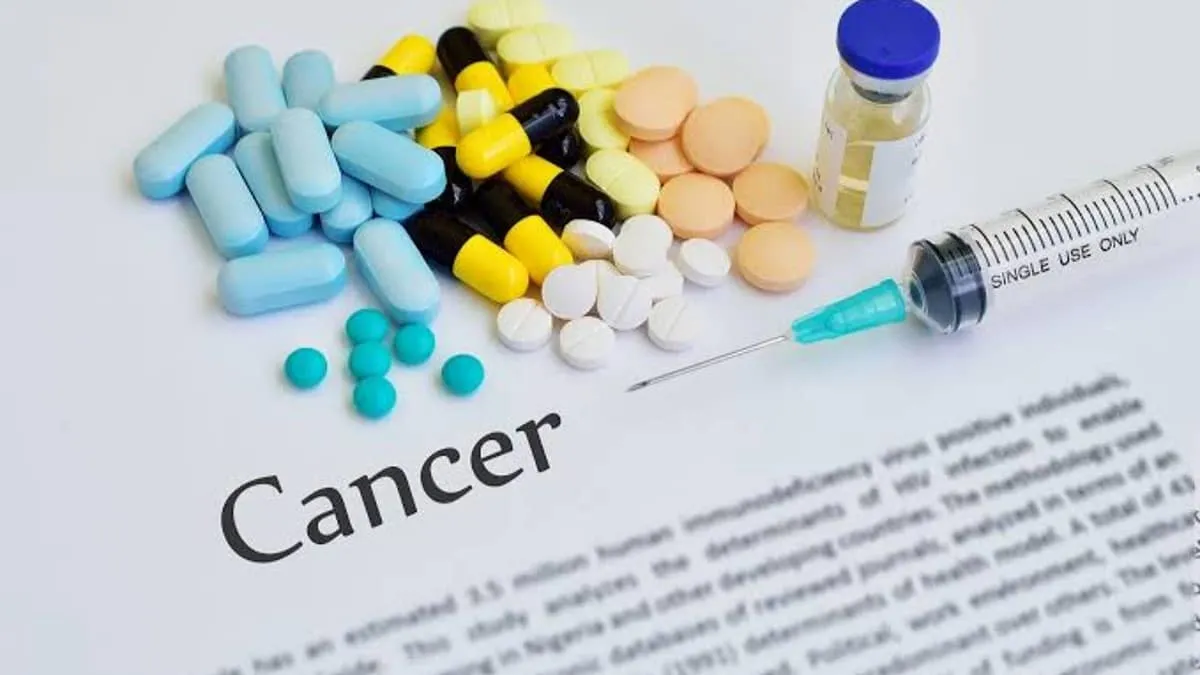
Pakistan's listed pharmaceutical sector recorded an 11 percent year-on-year increase in profit after tax to Rs. 11.6 billion in the first quarter of FY2027, supported by higher sales and improved gross margins, according to a report by Topline Securities.
Net sales rose 5 percent year-on-year and 11 percent quarter-on-quarter to Rs. 98.8 billion. Gross profit increased 10 percent year-on-year to Rs. 43.2 billion, while the sector's gross margin improved to 43.7 percent from 41.9 percent in 1QFY26 and 42.8 percent in 4QFY26. Despite the earnings growth, the sector's market capitalization declined 24 percent year-on-year and 13 percent quarter-on-quarter to Rs. 505.2 billion as of October 30, 2026.
Higher Sales and Margins Support Sector Earnings
Topline Securities attributed the increase in net sales mainly to a more favorable product mix and higher prices and volumes. The growth came despite exports to Afghanistan remaining suspended since October 2025, following a higher sales base in 1QFY26 that included those exports. Abbott Laboratories Pakistan contributed 21 percent of sector sales during the quarter, followed by GlaxoSmithKline Pakistan at 17 percent, The Searle Company at 11 percent and Haleon Pakistan at 10 percent.
Gross margins improved as sales volumes and prices increased. Among the companies covered, AGP, Searle and Highnoon Laboratories reported the highest gross margins at 64.6 percent, 57.2 percent and 57.1 percent, respectively. Selling and distribution expenses increased 6 percent year-on-year and 5 percent quarter-on-quarter to Rs. 18.6 billion. Administrative expenses rose 14 percent year-on-year and 5 percent quarter-on-quarter to Rs. 3.6 billion.
Finance Costs Rise as Other Income Declines
The sector's finance costs increased 22 percent year-on-year and 44 percent quarter-on-quarter to Rs. 1.2 billion in 1QFY27. Topline Securities said higher finance costs at GlaxoSmithKline Pakistan, AGP and Haleon Pakistan contributed to the increase. Other income declined 15 percent year-on-year and 69 percent quarter-on-quarter to Rs. 802 million, mainly due to lower contributions from Hoechst Pakistan, GlaxoSmithKline Pakistan and The Searle Company.
The sector's effective tax rate stood at 37.9 percent in 1QFY27, compared with 39.4 percent in 1QFY26 and 50.4 percent in 4QFY26. The total tax charge reached Rs. 7.1 billion during the quarter. Understanding these financial components helps analysts evaluate the overall health of the domestic manufacturing industry.
Individual Performance of Top Pharmaceutical Companies
GlaxoSmithKline Pakistan recorded net sales of Rs. 16.6 billion, up 17 percent year-on-year, while its profit after tax rose 28 percent to Rs. 2.6 billion. Abbott Laboratories Pakistan posted sales of Rs. 20.6 billion, up 4 percent, and profit after tax increased 40 percent to Rs. 2.5 billion. The Searle Company reported sales growth of 15 percent to Rs. 11.2 billion, while profit after tax increased 31 percent to Rs. 1.2 billion.
Haleon Pakistan's sales declined 5 percent to Rs. 10 billion, and its profit after tax fell 5 percent to Rs. 1.5 billion. Highnoon Laboratories recorded a 5 percent increase in sales to Rs. 7.5 billion, while its profit after tax declined 2 percent to Rs. 931 million. AGP's sales fell 15 percent to Rs. 6.4 billion, while profit after tax decreased 12 percent to Rs. 1 billion.
Background on the Pakistani Pharmaceutical Industry
The pharmaceutical industry in Pakistan comprises numerous domestic and multinational corporations regulated by government pricing mechanisms. Over recent years, manufacturers have faced rising input costs due to currency depreciation, inflation, and utility tariff adjustments. Despite these pressures, demand for essential medicines remains steady, allowing major players to adjust pricing and product portfolios to protect their profitability margins.
Export markets, particularly neighboring countries like Afghanistan, have historically provided additional revenue streams for local producers. However, trade suspensions and regulatory shifts periodically impact regional sales volumes. Companies must adapt to these shifting external conditions while managing domestic regulatory hurdles related to drug pricing approvals.
Operational Costs and Tax Burdens in the Sector
Operating expenditures continue to demand careful management as selling, distribution, and administrative costs rise across the board. Selling and distribution expenses remain high due to promotional activities, logistics, and field force maintenance. Meanwhile, corporate tax obligations form a significant portion of expenditures, with effective tax rates fluctuating based on specific corporate structures and quarterly earnings adjustments.
Financial expenses, including borrowing costs and debt servicing, have also exerted pressure on bottom-line figures for select firms. Higher interest rates during recent economic cycles have translated into increased finance costs, prompting companies to optimize their working capital and manage debt levels more efficiently.