Federal Government Plans New Electric Vehicle Battery Testing Laboratory
The federal government plans to establish an Electric Vehicle Battery Testing Laboratory in collaboration with the Pakistan Council of Scientific and Industrial Research to test battery safety, improve local testing capabilities, and support the country transition to electric mobility.
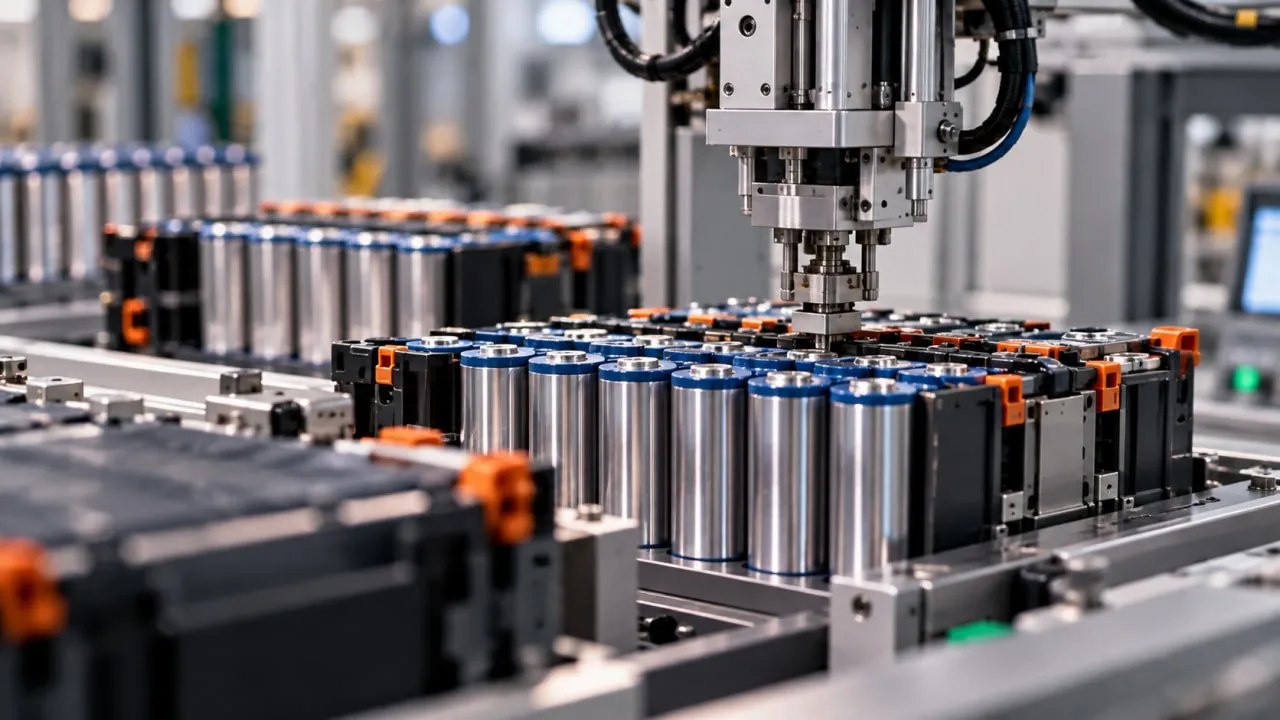
The proposed facility will assess the quality, performance, durability, and safety of batteries used in electric vehicles. Officials stated it would help identify technical defects, verify battery standards, and strengthen consumer confidence in electric mobility.
Establishing this dedicated facility represents a major shift in how the country approaches alternative fuel transport. Up to this point, local manufacturers and importers relied heavily on foreign certification bodies to verify energy storage units. Setting up domestic infrastructure reduces turnaround times for automotive firms seeking regulatory approval.
How PCSIR Will Support Local Battery Testing
The collaboration aims to use the scientific research and testing expertise of the Pakistan Council of Scientific and Industrial Research to develop domestic testing capabilities. The laboratory would provide facilities to evaluate electric vehicle batteries and help establish technical standards for the growing local industry.
Technical evaluations require specialized equipment to simulate extreme temperatures, overcharging scenarios, and physical impacts. The council brings decades of analytical experience in industrial materials and chemical engineering to the partnership. Experts within the organization will oversee protocol development to ensure compliance with international safety benchmarks.
Building local evaluation capacity also protects consumers from substandard imports. As more drivers consider alternative transport options, verifying claims regarding driving range and longevity becomes essential for market stability.
Auto Policy 2026 to 2031 and Electric Vehicle Targets
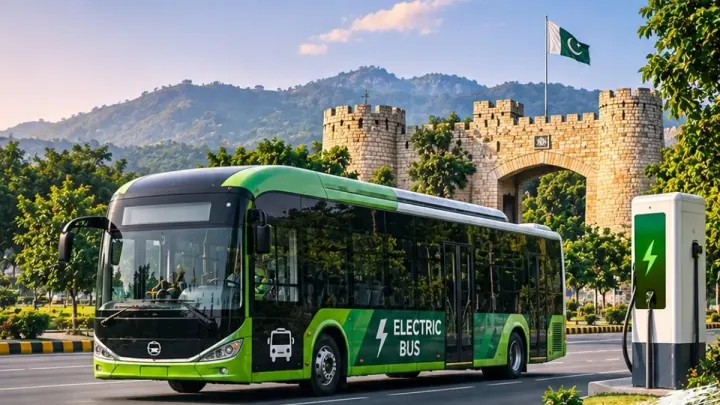
The decision comes as the federal government introduces its Auto Policy 2026 to 2031, which focuses on electric vehicle adoption, local manufacturing, vehicle safety, and affordability.
The policy targets $6 billion in automobile and auto parts exports over five years and aims to increase electric vehicles share of new vehicle sales to 30 percent by 2030.
This five-year framework guides the nation through a critical phase of industrial modernization. Policymakers designed the targets to attract foreign direct investment while encouraging domestic component suppliers to retool their assembly lines for high-voltage energy storage units.
Developing the National Electric Vehicle Ecosystem
Officials stated the proposed laboratory would complement broader efforts to develop the national electric vehicle ecosystem, promote research and development, and reduce dependence on imported technologies.
The government is also considering incentives for electric vehicle buyers, improved financing facilities, and expanded charging infrastructure under the new automotive policy.
Creating a complete supply chain requires coordination across multiple government ministries and private sector partners. Without widespread charging stations and affordable loans, consumer adoption remains slow, which makes the upcoming laboratory one of several parallel initiatives needed for long-term success.
Technical Standards and Consumer Confidence
Ensuring rigorous quality control protects early adopters from unexpected equipment failures. Battery packs operate under high thermal and electrical loads, which makes certified safety testing mandatory before mass deployment.
Testing protocols will examine thermal runaway risks, vibration resistance, and capacity degradation over thousands of charge cycles. Public trust grows when independent state laboratories validate manufacturer specifications, clearing the path for wider commercial acceptance.
Future Outlook for Local Manufacturing
Domestic assembly plants stand to gain significant cost advantages by sourcing certified energy storage components locally. Reducing shipping expenses for heavy lithium-ion packs helps automakers price their models competitively against conventional internal combustion engines.
Observers will monitor the timeline for facility construction, equipment procurement, and staff training over the coming months. Successful execution of this project will anchor the broader export and adoption goals outlined in the national automotive strategy.