Pakistan Railways Plans to Restore 36 Non-Operational Locomotives
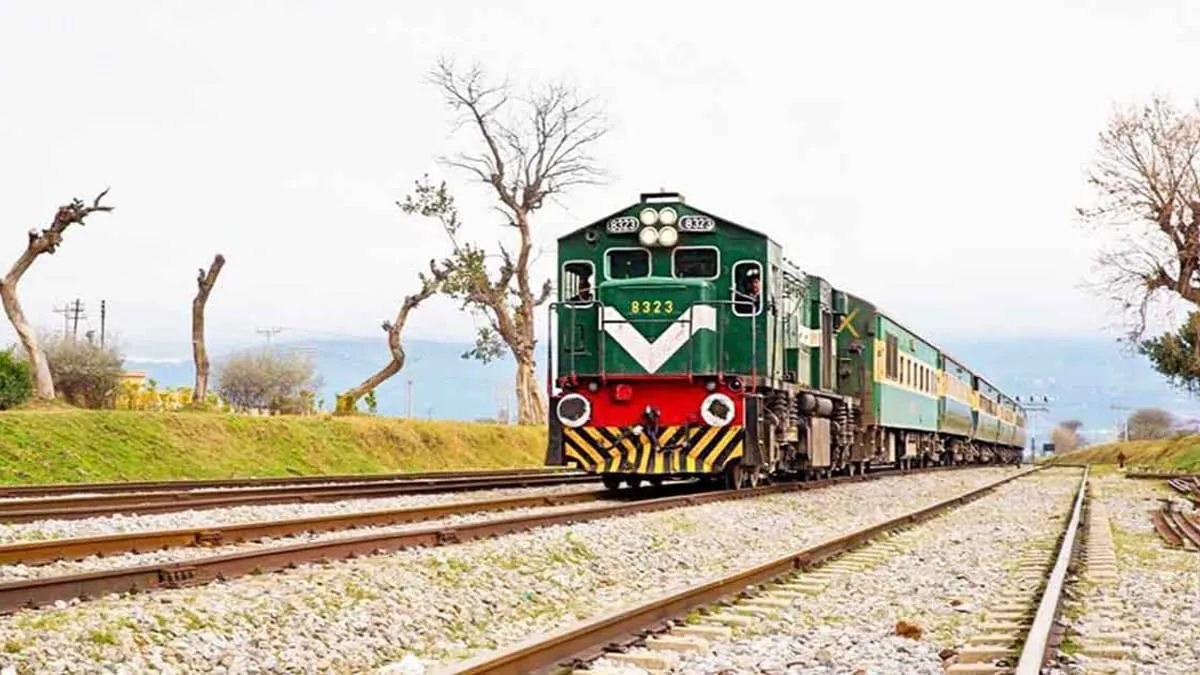
Pakistan Railways is planning to bring up to 36 non-operational locomotives back into service by June 2027 to improve train operations and boost revenue. This major restoration effort targets a significant portion of the national fleet that currently sits idle, affecting both passenger and freight schedules across the country. An official in the Ministry told APP that Pakistan Railways currently operates a fleet of 439 locomotives, of which 267 are operational while 172 remain non-operational. Transport authorities face the ongoing challenge of maintaining an aging mechanical inventory while trying to meet high public demand for reliable rail transit.
The department has launched several measures to restore out-of-service engines, with 16 locomotives expected to become operational by February 2027 and another 20 to return after major overhauls by the end of 2026. These phased repairs form the backbone of the immediate technical strategy to increase daily engine availability. Technical teams are prioritizing units that require standard component replacements or medium-level interventions to get them back on the tracks as quickly as possible. An accidental locomotive, bearing No. 9021, will also return to service after necessary repairs and fitment by June 2027.
How Pakistan Railways Plans Locomotive Overhauls
Fixing the entire backlog of idle engines requires external partnerships and formal planning approvals from federal authorities. The official said Pakistan Railways has contacted the original equipment manufacturer to explore the restoration of 69 locomotives. Procuring specialized parts directly from original makers ensures that repaired engines meet safety and performance standards. A PC-I for modernizing 35 locomotives has also been submitted to the Ministry of Planning, though it is yet to be considered. Funding allocation and bureaucratic review timelines will determine when physical work on this modernization batch can begin.
The restoration drive is expected to improve engine availability, strengthen train operations, and help the railway grow its passenger and freight earnings. More active engines mean fewer cancellations, better adherence to timetables, and an expanded capacity to haul heavy freight goods across the network. Freight operations traditionally provide a reliable revenue stream for the organization, making reliable locomotives essential for commercial success. Passenger services also stand to benefit from increased engine pools, reducing delays on major trunk routes connecting primary cities.
Upgrading Onboard Facilities and Passenger Trains
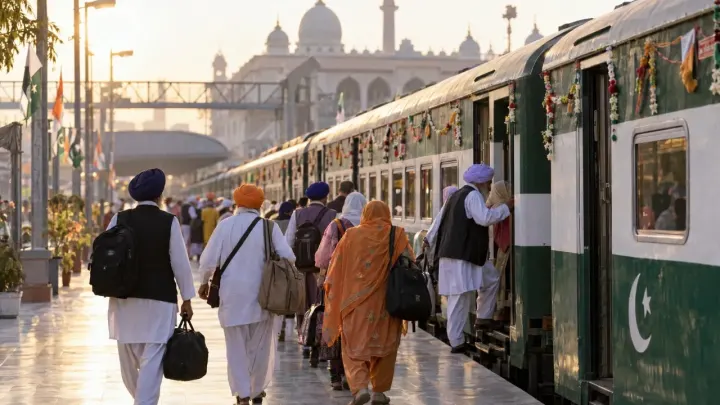
Beyond fixing engines, the department has upgraded onboard and station facilities across the network to enhance the overall travel experience. Passenger comfort has become a focal point for administrators seeking to attract more commuters to rail travel. State-of-the-art dining cars and modern coaches now run on the Shalimar Express, Pak Business Express, and Islamabad Express. These rolling stock improvements offer travelers a higher standard of comfort during long journeys between major urban centers.
Additional onboard amenities aim to modernize the daily commute for thousands of passengers. LED screens, water dispensers, and comprehensive janitorial services are also available on all trains, with the same upgrades offered on outsourced services including Green Line, Pak Business, Shah Hussain, and Subak Raftar. Premium dining cars operate on Khyber Mail, Allama Iqbal Express, and Rehman Baba, while seven premium trains now offer complimentary high tea, bedding, newspapers, hygiene kits, and mineral water. Train hostesses have also been introduced on the Islamabad Express to assist passengers throughout the journey.
Station Improvements and Passenger Amenities
Physical infrastructure at major railway terminals has also undergone substantial renovation to accommodate heavy daily crowds. At stations, escalators are now installed at Karachi and Lahore, while information desks and free Wi-Fi cover stations handling nearly 80 percent of total passenger footfall. Waiting halls have been upgraded at Karachi, Lahore, Peshawar, and Rawalpindi, and a new multi-story Train Dispatching Building has been completed at Lahore station. These upgrades help streamline station operations and provide passengers with clean, comfortable spaces while they wait for departures.
Modern CIP lounges operate at Karachi, Lahore, Faisalabad, and Rawalpindi, with extensive renovation completed at Peshawar Cantt Station. Cleanliness agreements with provincial waste management companies now ensure hygienic platforms and washrooms in major cities, addressing a long-standing complaint from daily commuters. The department has also installed ticket vending machines and electronic information boards, provided wheelchairs and ramps for elderly and disabled passengers, and maintained concessional fares for students, senior citizens, journalists, and persons with disabilities to ensure accessible public transport for all citizens.