Parliamentary documents reveal that roughly 417,000 individuals carry HIV in Pakistan, while just 67,878 patients get medical treatment, based on data provided by the World Health Organization. A significant deficit exists nationwide regarding diagnosis, registration, and care, leaving countless citizens unaware of their status or missing out on therapy. Meanwhile, the Ministry of National Health Services informed Parliament that 3,900 children contracted HIV between January 2025 and June 2026.
Sindh documented the highest count of HIV-positive children at 1,915, with Punjab following closely at 1,765 cases. Khyber Pakhtunkhwa identified 139 patients, Balochistan noted 46, and Islamabad logged 30. Azad Jammu and Kashmir reported four infections, while Gilgit-Baltistan registered one.
Pakistan's HIV Treatment Gap
World Health Organization projections indicate that over 417,000 people live with HIV across the nation, yet authorities have only registered 92,148 individuals. Out of that registered group, 67,878 patients take antiretroviral therapy, a treatment designed to suppress the virus and assist patients in managing the condition. Records submitted to Parliament also demonstrate that yearly new infections climbed from 16,000 in 2010 up to 48,000 by 2024. This marks a threefold rise during the timeframe, underlining the mounting difficulty of managing virus transmission. The discrepancy separating projected infections, official registrations, and active treatments exposes ongoing difficulties in securing early diagnoses and medical access.
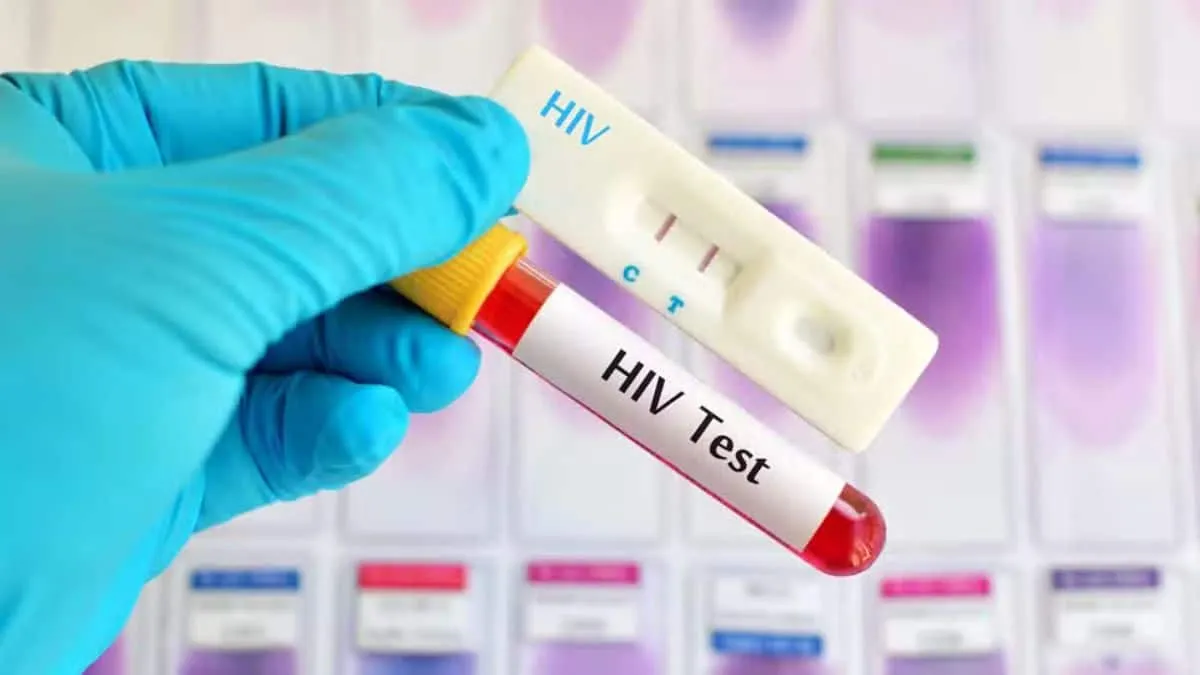
HIV Testing
Nationwide screening initiatives have grown recently, resulting in a substantial rise in administered exams. Parliamentary figures indicate that annual screening tests climbed from 37,944 in 2020 to 374,126 by 2025. Even with expanded testing, the wide margin between total estimated infections and official patient registries indicates that numerous infected residents operate outside official medical networks. Broader availability of diagnostics and antiretroviral care stays vital for spotting cases, halting transmission, and raising health standards nationwide.