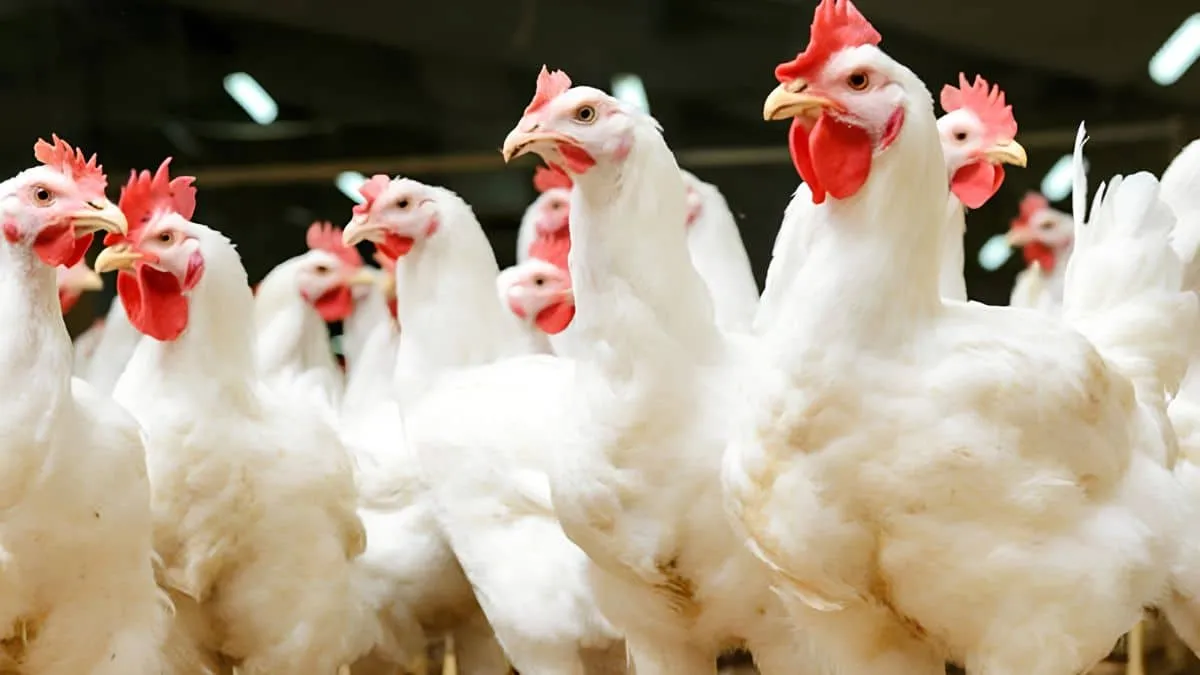
Pakistan and Denmark-based International Centre for Antimicrobial Resistance Solutions (ICARS) have entered a research agreement to combat antimicrobial resistance in the nation's livestock and poultry sectors.
The Ministry of National Food Security and Research (MNFS&R) signed a Memorandum of Understanding with ICARS to boost cooperation and promote responsible antibiotic use in animal farming.
Federal Minister for National Food Security and Research Rana Tanveer Hussain attended the virtual signing with senior ministry officials, ICARS representatives and researchers.
ICARS will contribute $540,855 for a three-year research project, with the University of Agriculture Faisalabad leading the work together with the Poultry Research Institute, Rawalpindi.
During the ceremony, Rana Tanveer Hussain warned that antimicrobial resistance threatens human and animal health, food security and agricultural productivity, and said responsible antibiotic use and research-based measures are vital for sustainable livestock production.
The minister thanked ICARS and the Danish government for backing Pakistan's One Health approach to AMR and noted that scientific research must deliver practical benefits for farmers and support the National Action Plan on Antimicrobial Resistance.
He also recognised Principal Investigator Dr. Mashkoor Mohsin Gillani and his team at the University of Agriculture Faisalabad, as well as the ministry's Animal Health Technical Focal Person Dr. Syed Muzammil Hassan Gillani, for their work.
ICARS Executive Director Helle Engslund Krarup said the partnership will produce scientific evidence on antibiotic alternatives and help lower antimicrobial use and resistance in Pakistan's poultry industry, adding that the ministry's ongoing leadership will be key to scaling successful interventions.
ICARS Senior Science Advisor for Veterinary Sciences Rodolphe Mader explained that the research will test organic acids as a possible antibiotic substitute in a randomized controlled trial on 30 poultry farms.
Fifteen farms will receive the intervention while the other fifteen will act as controls, with researchers tracking antibiotic use, resistance, poultry health and overall farm performance.
The study aims to cut antimicrobial treatments by at least 20% without harming productivity, evaluate the financial viability of antibiotic alternatives and build evidence for broader adoption across Pakistan's poultry sector.
Concluding the event, Rana Tanveer Hussain said the partnership would strengthen Pakistan's research capacity, improve responsible antibiotic use and open doors for further cooperation in livestock and poultry development.