Industrial delegates and power sector officials urged the government to lower or eliminate petroleum levies on high-speed diesel and furnace oil during a public hearing conducted by the National Electric Power Regulatory Authority, stating that these charges inflate electricity generation expenses by nearly Rs. 10 per unit. The Central Power Purchasing Agency requested permission to collect about Rs. 33 billion from power users in November bills through a proposed monthly fuel cost adjustment of Rs. 2.56 per unit for September energy consumption. An official from the government noted that this adjustment stands as the highest for similar months over recent years.
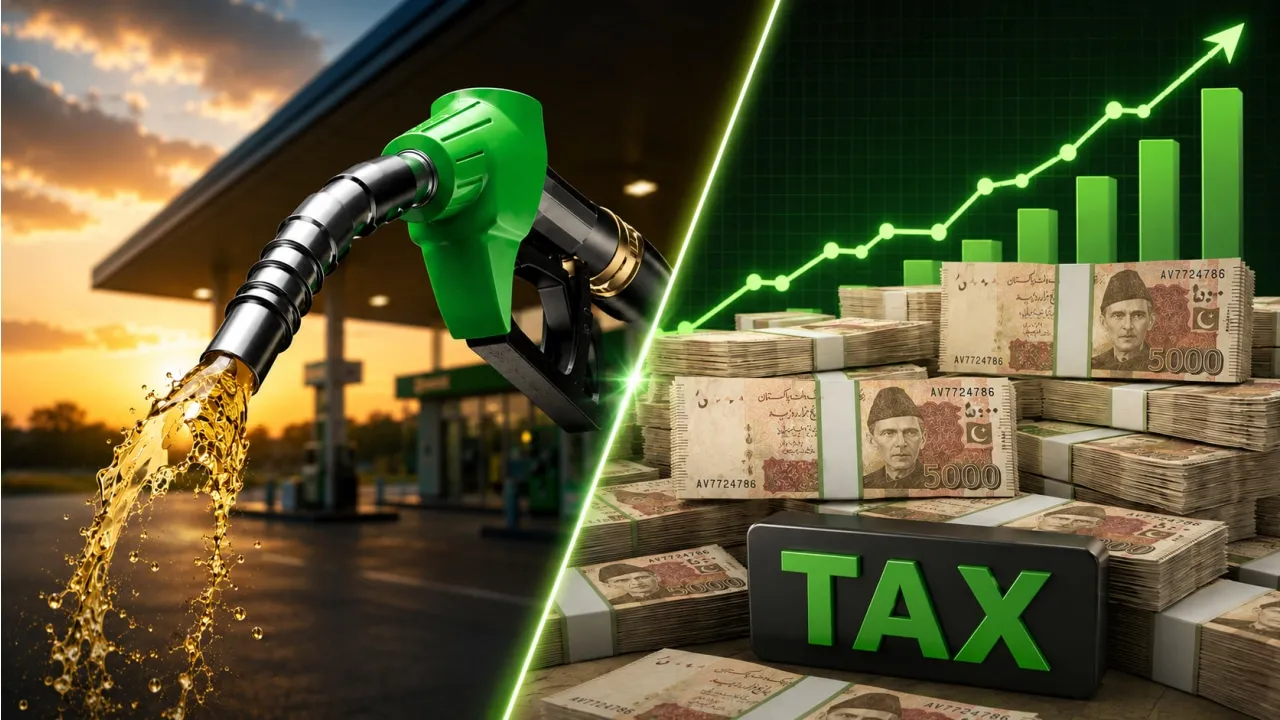
Delegates from various chambers of commerce and industry, including Amir Shaikh, Arif Bilwani, Tanveer Bari and Rehan Javed, stated that the state levies petroleum charges of about Rs. 76,000 per tonne on furnace oil and Rs. 80 per litre on diesel. They contended that lowering these fees would decrease electricity production expenses, especially since the energy shortage tied to the conflict in Iran has forced a greater dependence on costly fuels.
Officials from power division organizations verified that plants running on diesel and furnace oil produced 3.6 percent of all electricity during September, due to shortages of liquefied natural gas and alternative affordable supplies.
Business representatives explained that eliminating the charges could lower production expenses from roughly Rs. 62 per unit down to a range between Rs44 and Rs50. They stated that the duties merely inflate the subsidy burden of the state, transferring funds across public accounts instead of lowering actual power expenses.
The delegates pointed out that the prime minister had previously eliminated certain fees to grant bill relief, though those steps were later ended. They also demanded the immediate halt of the surplus incremental package, stating that keeping it active places an extra charge of about Rs. 11 per unit onto grid users.
Power Division Backs Levy Reduction
Naveed Qaiser, who serves as chief financial officer for the Power Planning and Monitoring Company, admitted that fuel duties on furnace oil and diesel heavily influence electricity production expenses.
He mentioned that the power division has pushed for cutting or abolishing the duties through proper channels and encouraged business leaders to keep pressing the matter with top state authorities.
Qaiser noted that cutting power rates stays a primary goal for the administration, specifically for factories, to boost their ability to compete with neighboring nations.
He mentioned that recent actions already lowered rates by around Rs10 per unit for typical buyers and up to Rs. 18 per unit for factories, asking for recognition of those decreases.
September Fuel Adjustment to Add Rs. 33 Billion
Rehan Akhtar, representing the CPPA, stated that actual generation expenses for power produced in September reached Rs. 10.022 per unit against the baseline figure of Rs. 7.46 per unit. This gap drove the demand for a new fuel cost adjustment amounting to Rs. 2.56 per unit.
The overall monetary effect reached an estimated Rs32.76 billion, driven largely by shifts in the production fuel blend and increased expenses for substitute fuels.
Akhtar stated, however, that the actual rise in the fuel adjustment would stay at or below Rs. 1.45 per unit. The current positive adjustment from October will end and give way to the suggested Rs. 2.56-per-unit adjustment in November, which restricts the final burden on users.
Nepra alongside business delegates also questioned inconsistencies in the electricity production figures provided by the CPPA, demanding improved openness in the computations.