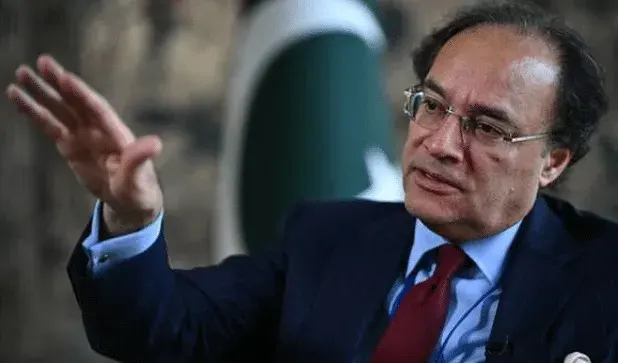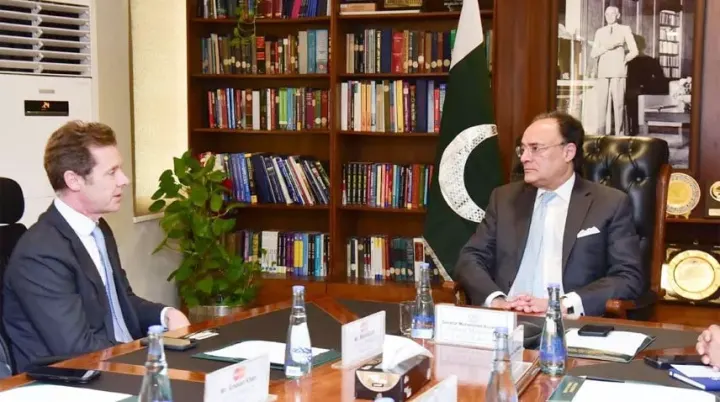
Finance Minister Senator Muhammad Aurangzeb held a high-level meeting with a Mastercard delegation in Islamabad on 4 November 2026, focusing on deepening cooperation across digital payments, financial inclusion, and cybersecurity. The talks signal that Pakistan's push toward a cashless economy now has global-level backing.
The meeting, led by Mastercard's Mark Elliott, Division President for East Arabia, also included Arslan Khan, Country Manager for Pakistan and Afghanistan, and Jibran Jamshad, Director Public Sector for Pakistan and Afghanistan. Both sides emphasized concrete steps to expand digital payment infrastructure, improve cross-border remittances and strengthen fraud protection.
What Happened at the Mastercard Meeting
The Mastercard delegation presented a portfolio of technologies and partnership models aimed at supporting Pakistan's digital payments roadmap. Mark Elliott reaffirmed Mastercard's long-term commitment to the country and highlighted the company's global experience in building secure, scalable payment ecosystems.
Finance Minister Aurangzeb thanked Mastercard for its longstanding engagement with Pakistan's financial sector and reiterated the government's resolve to expand digital payments, improve access to financial services and increase transparency across the economy.
Why Digital Payments Pakistan Needs Are Not Just Cards
While headlines often focus on credit cards, the agenda covered three substantive areas that affect millions of everyday users.
1. Remittances Through Formal Channels
Pakistan receives billions of dollars in remittances each year, yet a large share still moves through informal hawala networks. The talks explored ways to route more of this money through formal digital rails, adding foreign exchange to official reserves and giving senders better consumer protection.
Improved efficiency and lower costs for cross-border transfers could make it easier for the Pakistani diaspora to send funds home, supporting household incomes and reducing reliance on costly informal channels.
2. Financial Inclusion for Farmers and Small Businesses
Aurangzeb highlighted the government's push to bring cash-dependent farmers and small shop owners onto digital platforms. Formal digital accounts enable users to build credit histories, access micro-loans and protect savings from theft.
In rural Pakistan, where cash remains dominant, expanding digital wallets and card acceptance can reduce transaction friction, increase market reach for small enterprises and lessen dependence on predatory moneylenders.
3. Cybersecurity as a Foundation
Both parties treated cybersecurity as a core topic, not an afterthought. Faster payments increase the speed at which fraud can spread, so robust security layers are essential for consumer trust.
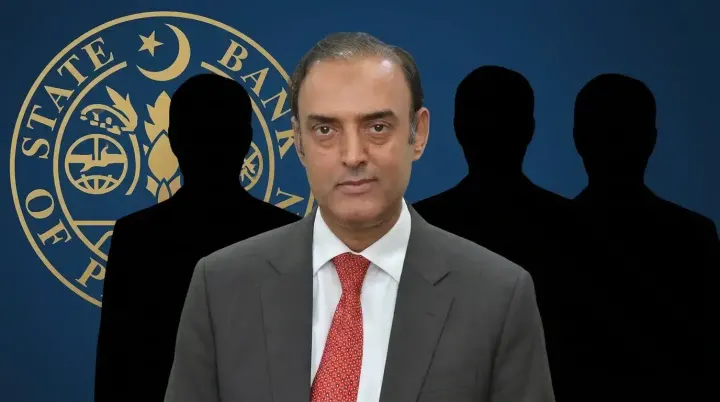
Mastercard pledged to share its global fraud-prevention tools and to collaborate with the State Bank of Pakistan on standards that protect users while enabling rapid transaction settlement.
How This Fits Pakistan's Wider Digital Payments Push
Mastercard has been deepening its footprint in Pakistan throughout 2026. In October 2026, Mastercard partnered with BankIslami to expand consumer and commercial card offerings, a move that bolstered card-based transactions in both urban and semi-urban markets.
Earlier in the year, Mastercard and the Bank of Punjab renewed a strategic partnership, reviewing existing initiatives and identifying new cooperation areas across payment infrastructure, government disbursements and cross-border remittances. The renewed agreement was discussed in a high-level meeting in Karachi.
The State Bank of Pakistan is simultaneously advancing its own digital agenda through the Raast instant payment system, which provides real-time settlement for bank-to-bank transfers, and by licensing digital banks that operate without physical branches.
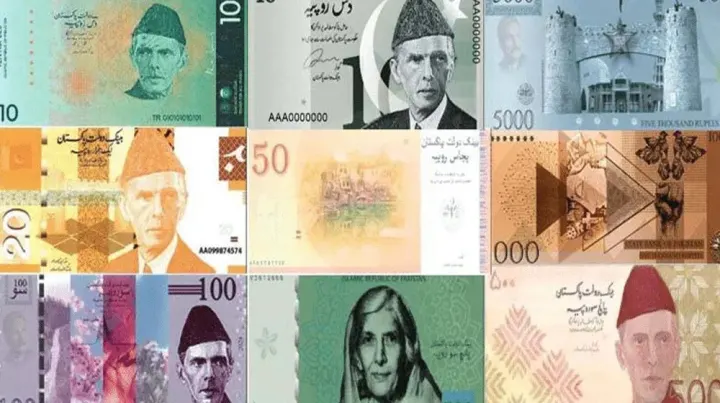
Pakistan is also preparing to launch its first credit card under the indigenous PayPak network, a step intended to reduce reliance on international schemes and lower transaction costs for merchants.
These parallel tracks, global partnership with Mastercard and domestic development of PayPak and Raast, illustrate a twin-track strategy aimed at scaling technology while preserving financial sovereignty.
What Comes Next
Both sides agreed to explore further cooperation in digital payments, remittances and financial inclusion, a diplomatic way of saying more concrete deals are expected. The Islamabad meeting is part of a series of government-level engagements that have already produced bank-level partnerships throughout 2026.
For consumers and businesses, the practical impact could include faster digital wallets, lower remittance fees, broader card acceptance at small merchants and stronger fraud protection as the ecosystem matures. These benefits will not appear overnight, but each high-level engagement moves the timeline forward.
Frequently Asked Questions
Who attended the Mastercard meeting with Pakistan's Finance Minister?
Finance Minister Senator Muhammad Aurangzeb met with a Mastercard delegation in Islamabad. The delegation was led by Mark Elliott, Division President for East Arabia, and also included Country Manager Arslan Khan and Director Public Sector Jibran Jamshad for Pakistan and Afghanistan.
What specific topics were covered in the talks?
The meeting covered opportunities for improving cross-border remittances, strengthening digital payment infrastructure, and enhancing cybersecurity. The finance minister also stressed the importance of digital payment tools for farmers, small businesses and underserved communities.
Is this the first time Pakistan's government has talked to Mastercard about digital payments?
No. Finance Minister Muhammad Aurangzeb previously met Tucker Foote, Chief Government Affairs at Mastercard, in Washington, D.C. on the sidelines of the World Bank-IMF Spring Meetings 2026. The November 2026 Islamabad meeting continues that engagement at the domestic level.
How does this affect ordinary Pakistanis?
Greater cooperation between the government and Mastercard can lead to lower fees on digital transactions, more secure online payments, cheaper remittances from abroad and wider access to formal banking services for people currently outside the system. The benefits will accrue gradually as the groundwork is laid.