Petrol Price in Pakistan Today: New Rates Take Effect
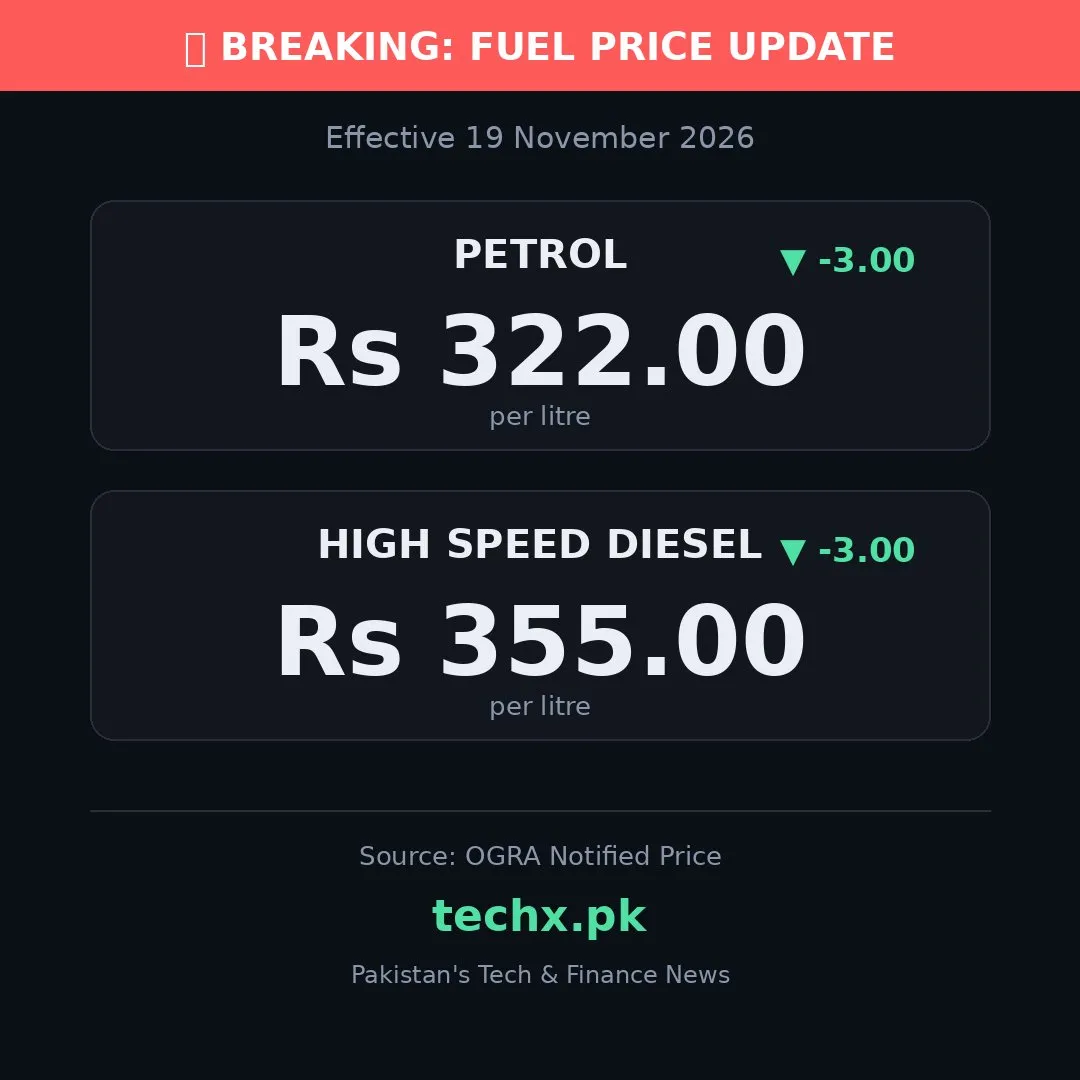
The petrol price in Pakistan today has dropped by Rs 3 per litre, effective 19 November 2026. The Oil and Gas Regulatory Authority fuel prices have been revised downward for both petrol and high-speed diesel, bringing some relief to consumers across the country.
Citizens waking up to the new rates will find that filling their tanks costs slightly less than it did earlier in the month. This fortnightly adjustment is part of a routine regulatory mechanism that tracks international market trends. Both private vehicle owners and commercial transport operators feel the immediate impact of these updated figures at fuel stations nationwide.
New Petrol and Diesel Prices in Pakistan
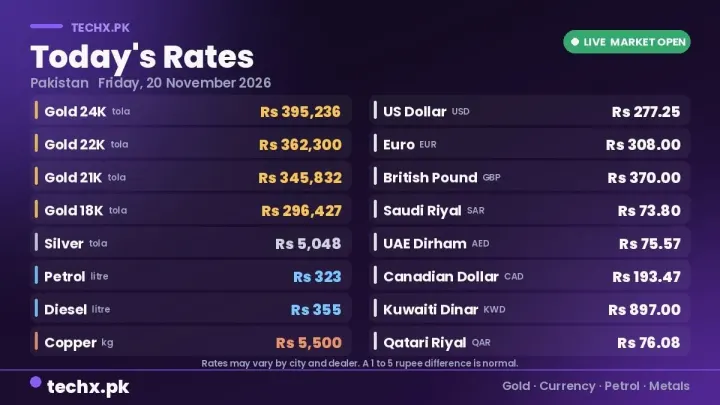
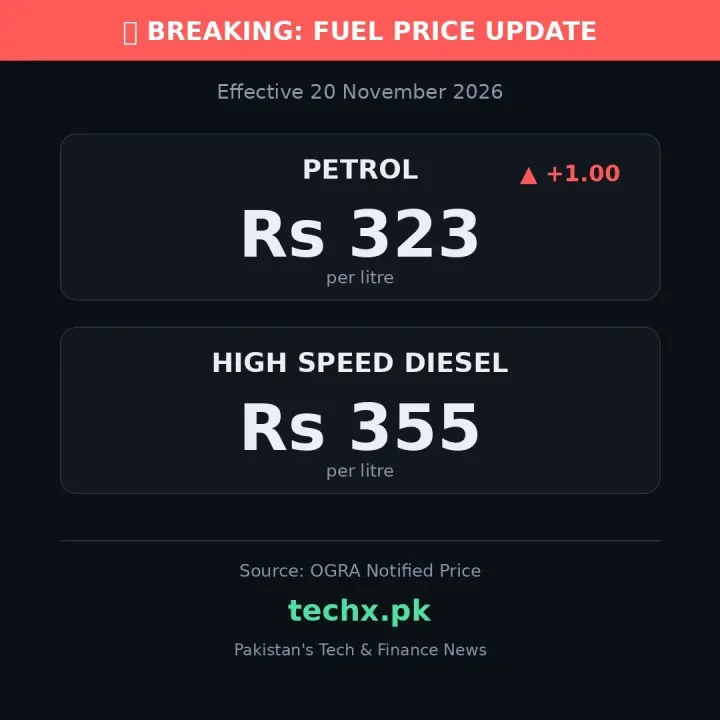
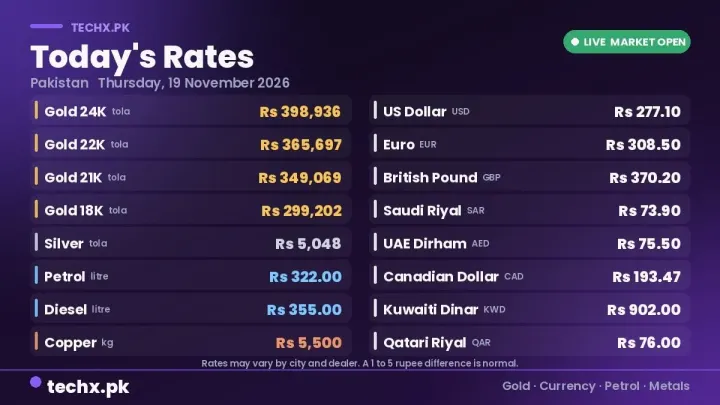
The new petrol price and updated diesel price in Pakistan are now officially in effect. Here is a full breakdown of the latest regulatory fuel prices:
Petrol, officially categorized as Super, is now priced at Rs 322.00 per litre, reflecting a direct decrease of Rs 3.00 from the previous rate. High Speed Diesel has similarly dropped by Rs 3.00, bringing its new retail cost to Rs 355.00 per litre. These figures apply immediately at all authorized filling stations across the country.
Transport operators and private motorists must ensure they are charged the correct updated rates. Monitoring these changes helps citizens manage their travel and logistics budgets effectively as the fortnightly cycle progresses.
Why Did Fuel Prices Change?
The regulatory authority reviews fuel prices on a fortnightly basis, adjusting rates based on movements in global crude oil prices and fluctuations in the Pakistani rupee exchange rate. When international oil prices soften or the local currency strengthens against foreign benchmarks, authorities pass on the benefit to consumers through price cuts.
This latest reduction reflects those global and domestic market conditions at the time of the revision. Energy analysts monitor global supply chains, geopolitical developments in major oil-producing regions, and domestic fiscal targets to understand the trajectory of these periodic petroleum adjustments.
What It Means for You
A Rs 3 per litre cut on both petrol and the diesel price in Pakistan means slightly lower costs for daily commuters, motorcycle riders, and transport operators. For truck and bus operators who run on high-speed diesel, even a small per-litre saving adds up quickly over large fuel volumes.
Expect modest reductions in transport fares and delivery costs, giving household budgets a small but welcome breather starting 19 November 2026. While a drop of Rs 3 does not completely offset broader inflationary pressures, every incremental saving assists working families and small business owners who rely on motorized transport for their daily livelihood.
Understanding Fuel Price Regulation in Pakistan
The mechanism behind retail fuel pricing involves complex calculations managed by specialized government bodies. The Oil and Gas Regulatory Authority calculates the cost of importing refined petroleum products into the country. These calculations incorporate landed costs, custom duties, petroleum levies, and distribution margins for oil marketing companies and retail dealers.
Consumers often wonder why domestic prices do not match spot prices of crude oil directly. Because Pakistan imports a significant portion of its refined petroleum needs rather than crude oil alone, the final retail price depends heavily on international product prices in the Gulf region, shipping freight charges, and the exchange rate managed by the central bank.
Impact on Public Transport and Logistics
Diesel is the lifeblood of the commercial transport sector in the country, powering intercity buses, freight trucks, and delivery vans. When the price of high-speed diesel decreases, the operational overhead for fleet owners drops correspondingly. This reduction can influence the cost of moving consumer goods, agricultural produce, and raw materials from manufacturing hubs to retail markets.
Commuters who rely on public buses and vans hope that lower fuel costs translate into stabilized or reduced passenger fares. Provincial transport authorities frequently review fare tables when fuel prices experience sustained upward or downward trends, ensuring that the benefits of regulatory cuts reach everyday passengers.