New Petrol and Diesel Prices in Pakistan
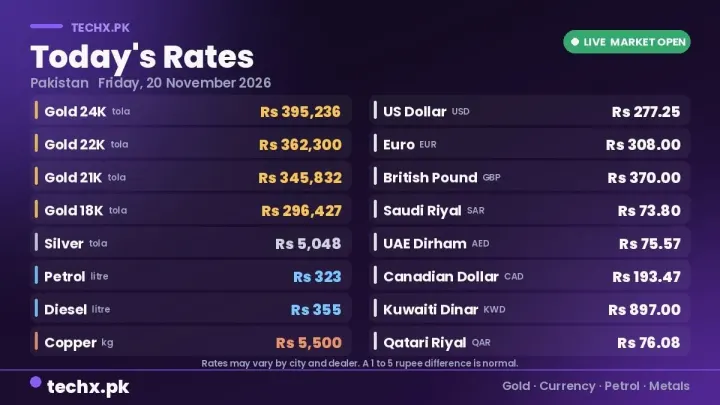
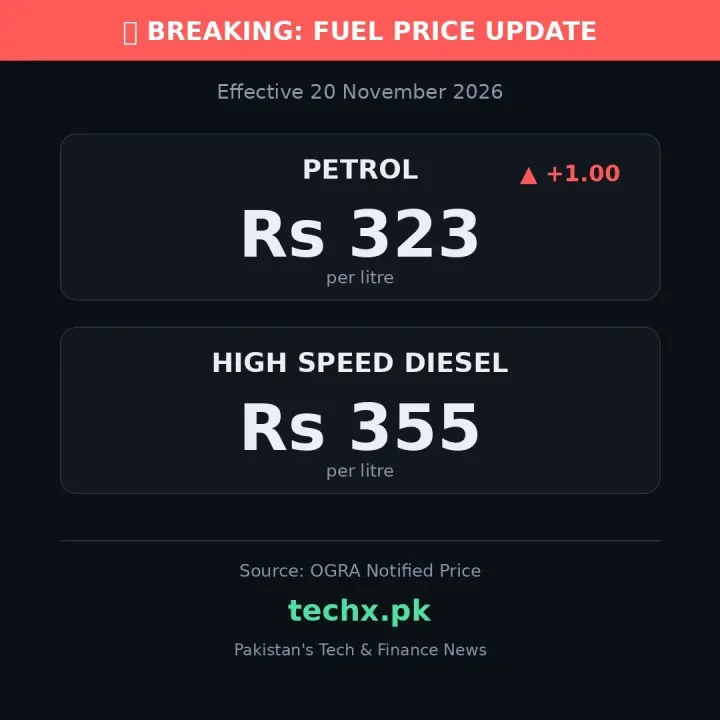
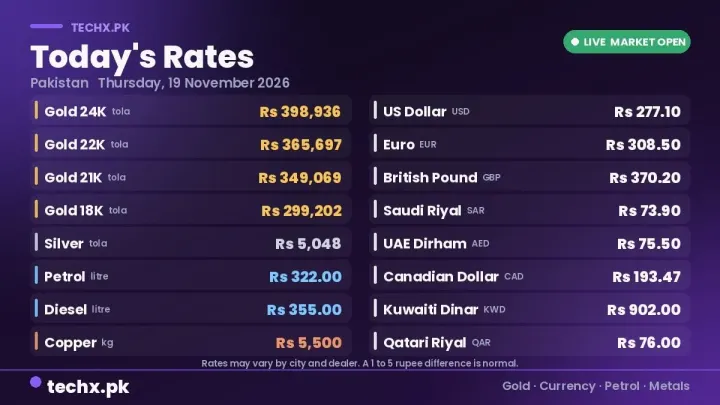
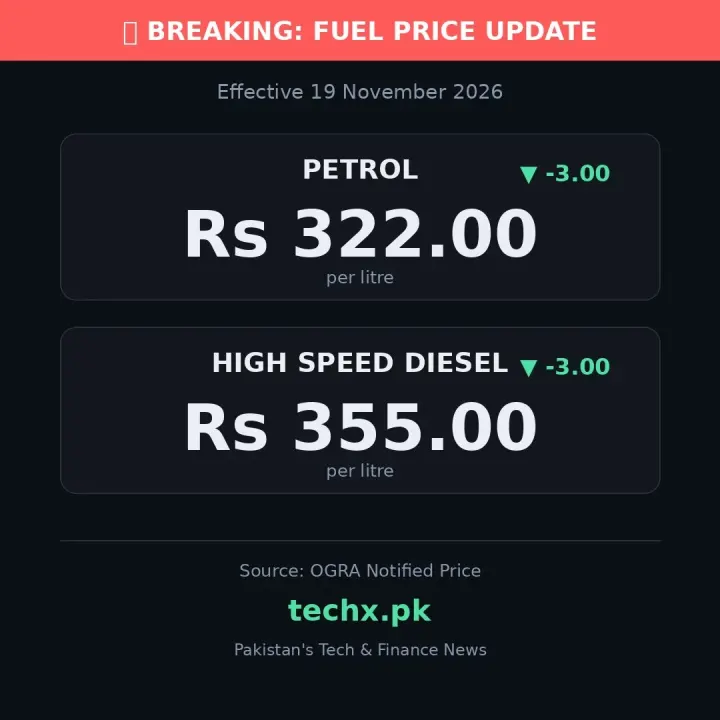
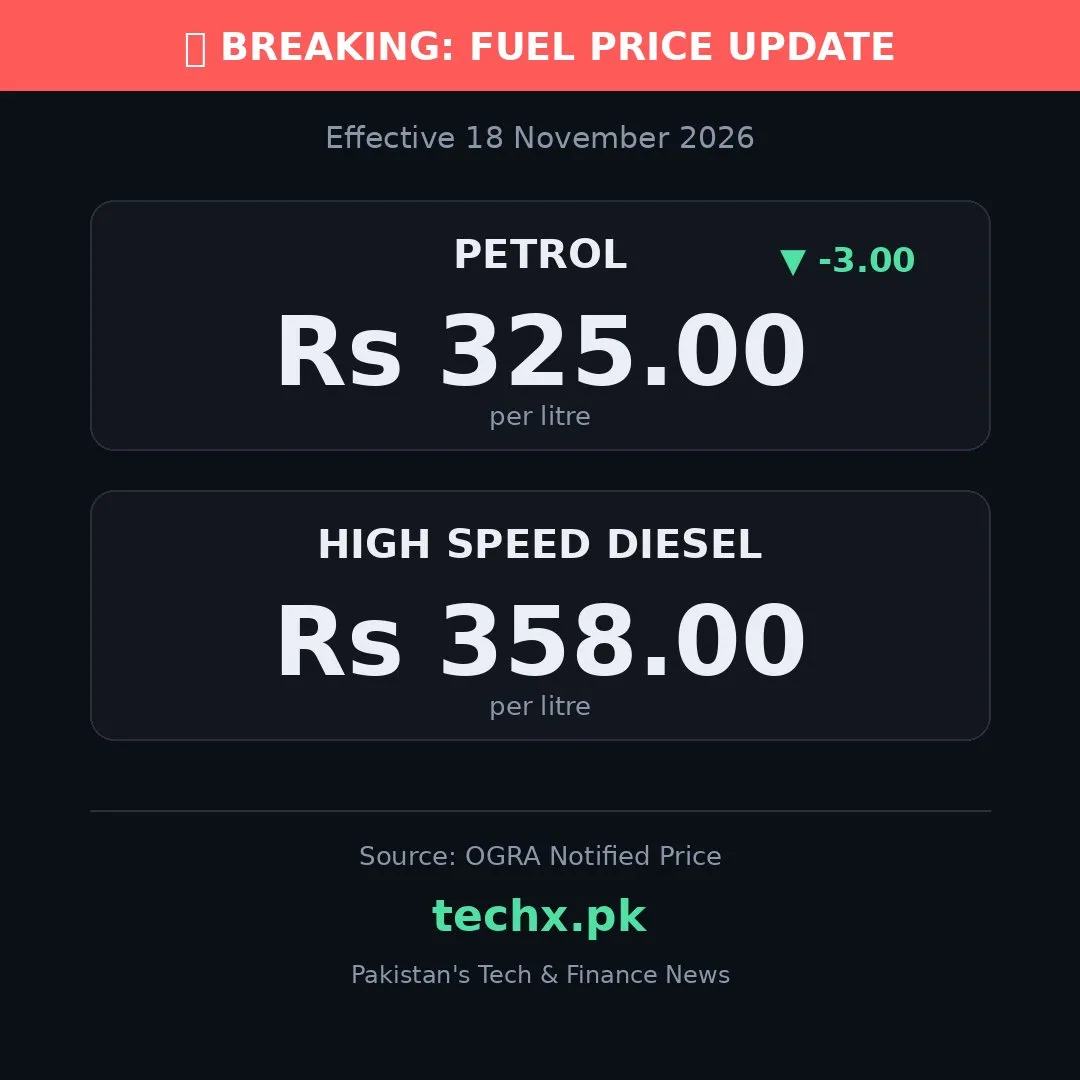
The petrol price in Pakistan today has dropped by Rs 3.00 per litre, giving consumers a small but welcome relief at the pump. High Speed Diesel, however, stays exactly where it was, with no change announced for 18 November 2026.
OGRA has officially notified the new petrol price and diesel price in Pakistan, effective 18 November 2026. Petrol is now priced at Rs 325.00 per litre following a reduction of Rs 3.00. High Speed Diesel remains fixed at Rs 358.00 per litre with a change of negative Rs 0.00.
Why Did Fuel Prices Change?
OGRA reviews OGRA fuel prices on a fortnightly basis, taking into account global crude oil market movements and the Pakistani rupee exchange rate against the US dollar. A softer trend in international oil prices this fortnight gave enough room to pass on a small reduction on petrol, while diesel costs remained stable enough to leave that rate untouched.
The mechanism behind these fortnightly adjustments involves complex calculations by regulatory bodies. Global benchmark crudes such as Brent and West Texas Intermediate dictate the baseline import costs for refined petroleum products entering Pakistan. When international quotes fluctuate due to supply chain shifts, geopolitical events, or decisions by major oil-producing nations, local petroleum prices react accordingly.
Furthermore, the valuation of the Pakistani rupee against the greenback plays an equally decisive role. Because petroleum products must be purchased from foreign suppliers using foreign exchange reserves, any depreciation of the local currency increases the landed cost of fuel, even if international crude markets remain flat. Conversely, a stable or strengthening local currency helps insulate domestic consumers from harsher external shocks.
What It Means for You
If you fill a 40-litre tank, you will now save Rs 120 compared to the last fortnight, which is a modest but real saving for daily commuters and motorcycle riders. Diesel-powered transport, including trucks, buses, and rickshaws, will not see any cost shift this time, so freight rates and public transport fares are unlikely to change as a direct result of today's notification dated 18 November 2026.
For ordinary citizens, managing household budgets involves constant adjustments to transport expenses. Motorcyclists and car owners who rely on personal vehicles for daily office commutes or educational runs will notice a slight easing of their weekly fuel expenditures. While a reduction of Rs 3.00 per litre does not fundamentally alter the broader cost of living, every incremental saving helps families allocate funds toward other essential goods and services.
Small business owners who operate delivery motorcycles or light passenger vehicles will experience a parallel easing of operational overheads. Although the drop is relatively small, accumulated savings over multiple refuelling cycles can offer a minor buffer against other rising input costs in the local economy.
Impact on Diesel Transport and Logistics
High Speed Diesel serves as the primary energy source for the heavy logistics sector across Pakistan. Cargo trucks, agricultural tractors, passenger buses, and commercial transport fleets depend entirely on diesel pricing to calculate freight charges and ticket fares.
Because the diesel price remains unchanged at Rs 358.00 per litre, transport operators have no justification to alter their service fees. This stability prevents secondary inflationary pressures from rippling through supply chains. Food items, manufactured goods, and raw materials transported across provincial boundaries will maintain their current shipping costs, protecting consumers from sudden price spikes at retail markets.
Agricultural operations, which rely heavily on diesel-driven tubewells and harvesters, will also experience cost stability during this fortnight. Farmers preparing fields or managing irrigation schedules can rely on predictable fuel expenses until the next regulatory review cycle takes place.
Understanding the Role of Regulatory Authorities
The Oil and Gas Regulatory Authority functions as the statutory body responsible for overseeing petroleum pricing, licensing, and standards within the energy sector. Established to ensure fair competition and protect consumer interests, the organization evaluates cost computations submitted by oil marketing companies alongside international market benchmarks.
Every fortnight, technical teams analyze shipping freights, premium charges, distributor margins, and government tax structures. Petroleum levies and general sales taxes constitute a substantial portion of the final retail price paid at fuel stations across the country. Any adjustment in these tax components requires policy directives from the federal government, while market-driven adjustments reflect direct shifts in import parities.
Consumers often look to these fortnightly announcements as vital economic indicators. The transparency of the notification process allows citizens and commercial enterprises to plan their fuel consumption and logistical schedules with reasonable certainty.
Looking Ahead at Future Price Trends
While the current notification provides a minor downward adjustment for petrol, future price directions remain dependent on unpredictable global variables. Observers of energy markets monitor geopolitical developments in major oil-producing regions, production quotas set by international cartels, and seasonal shifts in global energy demand.
Motorists and businesses are advised to monitor official notifications issued by regulatory authorities at the conclusion of each fortnightly period. Understanding how international market trends translate into local pump prices helps consumers make informed decisions regarding their travel and transport planning in the weeks ahead.