Why the Pakistan Telecommunication Authority Issued the Biometric Warning
The Pakistan Telecommunication Authority (PTA) has issued a formal public advisory instructing citizens to provide their biometric data exclusively at authorised customer service centres, official franchises, or approved sales outlets belonging to licensed mobile network operators. This directive applies specifically when individuals are obtaining new Subscriber Identity Module (SIM) cards or accessing other telecommunication services across the country. Regulatory bodies maintain strict oversight over these official channels to ensure that sensitive personal information remains protected against unlawful interception and criminal exploitation.
In its recent public awareness message, the regulatory authority emphasised that consumers must actively confirm the exact purpose for which their fingerprints are being collected before granting any scans. Furthermore, the agency strongly urged the public to avoid disclosing sensitive biometric information to any unauthorised individuals or unofficial retail locations. Safeguarding personal identity documents and physical biometric markers has become a primary regulatory concern as digital services expand nationwide.
Understanding Biometric Verification and Telecommunication Security
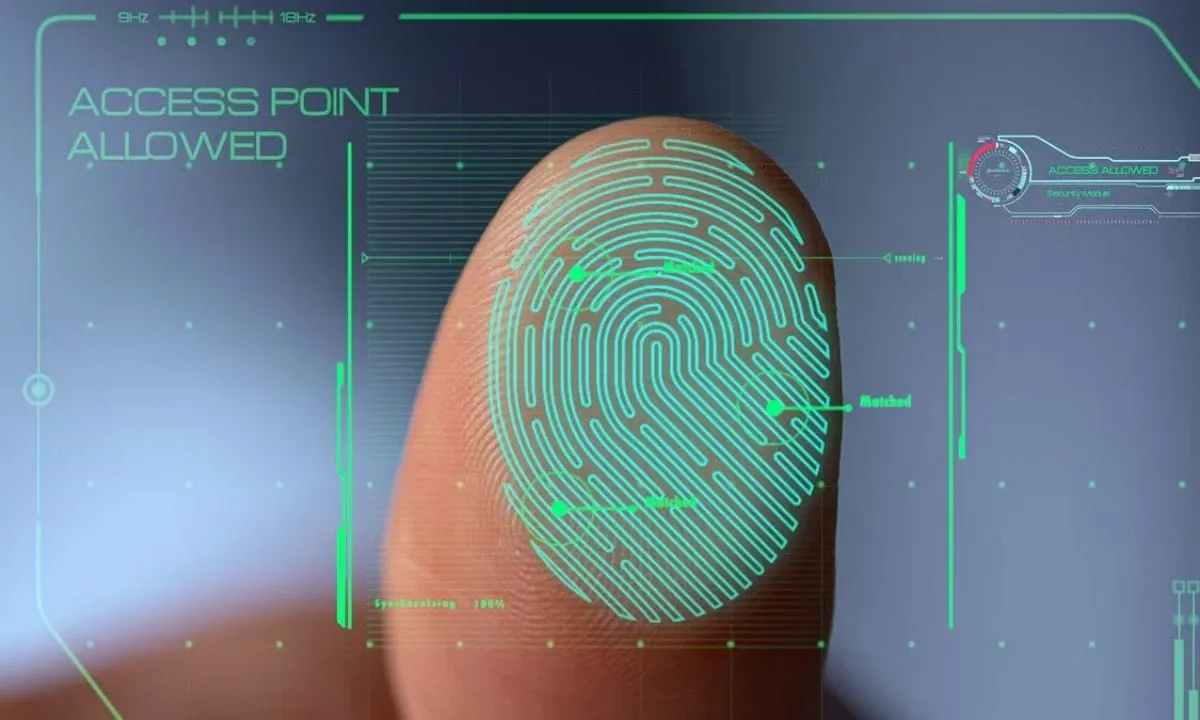
Biometric verification processes in the telecommunication sector involve capturing unique physical characteristics, primarily fingerprints, to authenticate the identity of individuals purchasing or registering mobile connections. This mandatory security procedure helps prevent anonymous SIM card activation, which historically facilitated various forms of illegal activity and cybercrime. Authorised mobile network operators use secure, encrypted terminal devices connected directly to national verification databases to process these scans.
When consumers patronise unofficial or unverified local shops for telecommunication services, the risk of data compromise increases significantly. Unauthorised agents might capture fingerprint data on compromised hardware or store personal records improperly, creating vulnerabilities that malicious actors can exploit. The latest PTA directive seeks to eliminate these loopholes by directing consumers exclusively to certified institutional touchpoints where data handling complies with national privacy standards.
How Criminals Exploit Personal Data and One-Time Passwords
Beyond physical fingerprint security, the regulatory body drew attention to prevalent financial and identity frauds involving digital authentication codes. The authority previously warned the public about deceptive schemes where criminals impersonate courier-company representatives to obtain one-time passwords (OTPs) from unsuspecting customers. In these fraudulent scenarios, callers inform recipients that a package, parcel, or shipment is awaiting delivery, subsequently demanding an OTP or other confidential information to finalise the drop-off.
Once obtained, criminals frequently use these authentication codes to bypass security walls, access financial accounts, or execute unauthorised transactions linked to mobile wallets and telecommunication profiles. The authority has firmly instructed citizens never to share an OTP with anyone under any circumstances. Particular caution must be exercised when dealing with unknown callers who claim to represent courier companies, utility providers, or other corporate organisations.
Practical Steps to Protect Your Biometric and Digital Identity
Protecting personal data in the modern telecommunication environment requires constant vigilance and adherence to established security protocols. Citizens must adopt careful habits when interacting with telecommunication service providers and handling digital verification requests. Implementing basic precautions significantly reduces the likelihood of falling victim to identity theft or financial fraud.
- Verify that any retail outlet or franchise displays official branding and authorisation certificates from licensed mobile network operators before initiating transactions.
- Ask the service representative to clearly explain the specific reason for scanning your fingerprints before placing your finger on the biometric device.
- Never disclose one-time passwords, personal identification numbers, or security codes to incoming callers, regardless of the organisation they claim to represent.
- Report suspicious phone calls, fraudulent courier messages, or unauthorised attempts to collect personal data directly to the relevant authorities.
Broader Impact on Consumers and the Telecommunication Sector
The proactive stance taken by the regulatory body affects millions of mobile subscribers and numerous commercial franchises operating within the country. Consumers must exercise greater discernment when choosing where to purchase mobile services or register SIM cards. For legitimate businesses and authorised franchises, this guidance reinforces the importance of maintaining transparent operational practices and building consumer trust through secure data management.
As digital infrastructure continues to grow, ensuring the security of citizen databases remains vital for maintaining public confidence in electronic communications. Regulatory interventions of this nature highlight ongoing efforts to mitigate emerging digital threats and protect everyday users from sophisticated criminal networks attempting to exploit personal credentials.