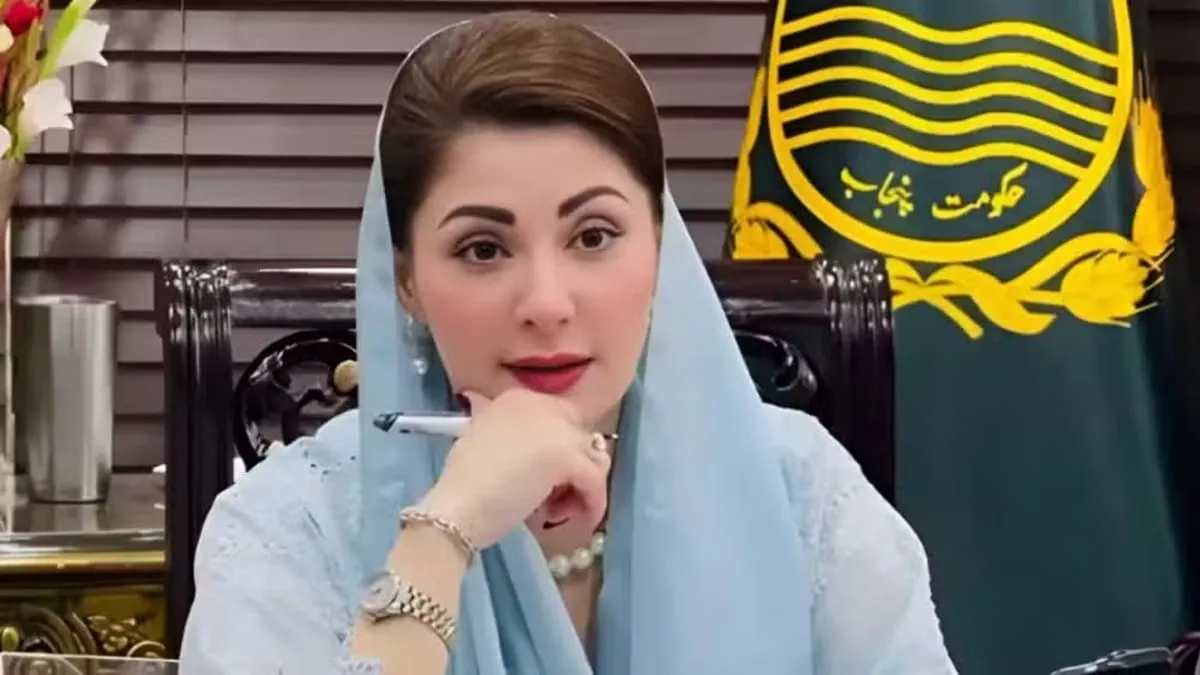
Meeting on Monday under the leadership of Chief Minister Maryam Nawaz Sharif, the Punjab cabinet backed core elements of an export promotion and industrial development initiative totalling Rs. 1.995 trillion in investments and targeting upwards of 162,000 new employment opportunities.
Senior Minister Marriyum Aurangzeb brought forward the project, which counts on Rs. 1.089 trillion coming from the provincial government and Rs. 906 billion supplied by private investors.
Assistance for current businesses, digital commerce, ready-made garments, plug-and-play zones, and certification and testing provisions for leather items, footwear, and athletic equipment form part of the strategy.
Material-testing labs dedicated to cutlery, handmade tools, ceramics, and fan manufacturers, alongside export financing directed at horticulture and floriculture, are likewise included.
Authorities will set up agriculture processing parks across Sargodha, Khanewal, Okara, and Bhakkar.
The strategy additionally addresses wheat value improvement, dairy and meat supply chains, vocational training, citrus, potato, and mango value addition, visitor attractions, and fish farming.
The cabinet greenlit setting up horticulture authorities in 20 districts.
Officials cleared financial support for another stage of the Chief Minister Punjab Green Tractor Program, where the provincial administration allocates Rs. 9.5 billion to supply 10,000 high-powered tractors.
The initiative drew over 250,000 applications, and roughly 25,000 tractors have reached agricultural workers so far.
Ministers also waved late registration charges linked to the initiative.
Approval was granted for subsidies concerning Phase IV of the low-powered Green Tractor Program, together with funding support for an agricultural upgrade project in Thal.
State authorities will dedicate Rs. 7.6 billion toward drip irrigation, solar energy, water reservoirs, and other infrastructure spanning 10,000 acres in Mankera and Layyah.
Ministers sanctioned setting aside Rs. 60 billion for the Apni Chhat, Apna Ghar loan initiative, while the chief minister turned down a suggestion to levy stamp duty on the project.
Maryam Nawaz instructed officials to immediately disburse funds needed for repairing hospital medical machinery.
The cabinet cleared finances to settle vital debts held by the specialized healthcare and medical education department.
Ministers additionally signed off on donating six mobile clinic vehicles to Gilgit-Baltistan and 15 to Azad Jammu and Kashmir.
Changes to traffic penalties under the Punjab Ring Road Authority won approval, introducing steeper fines for speeding, carrying excess loads, pedestrian crossing infractions, and other violations.
The cabinet endorsed changes to an air-quality control project to acquire electric trucks and anti-smog cannons, plus budgets for widening public utilities and construction projects.
Additional resolutions involved establishing the Maryam Nawaz Medical College and Teaching Hospital in Mianwali, hiring teaching interns for state schools, and outlining logistics for 1,500 electric buses operating at the tehsil level.
Ministers additionally agreed to host the 14th South Asian Games and lifted the hiring freeze for multiple government departments and agencies.