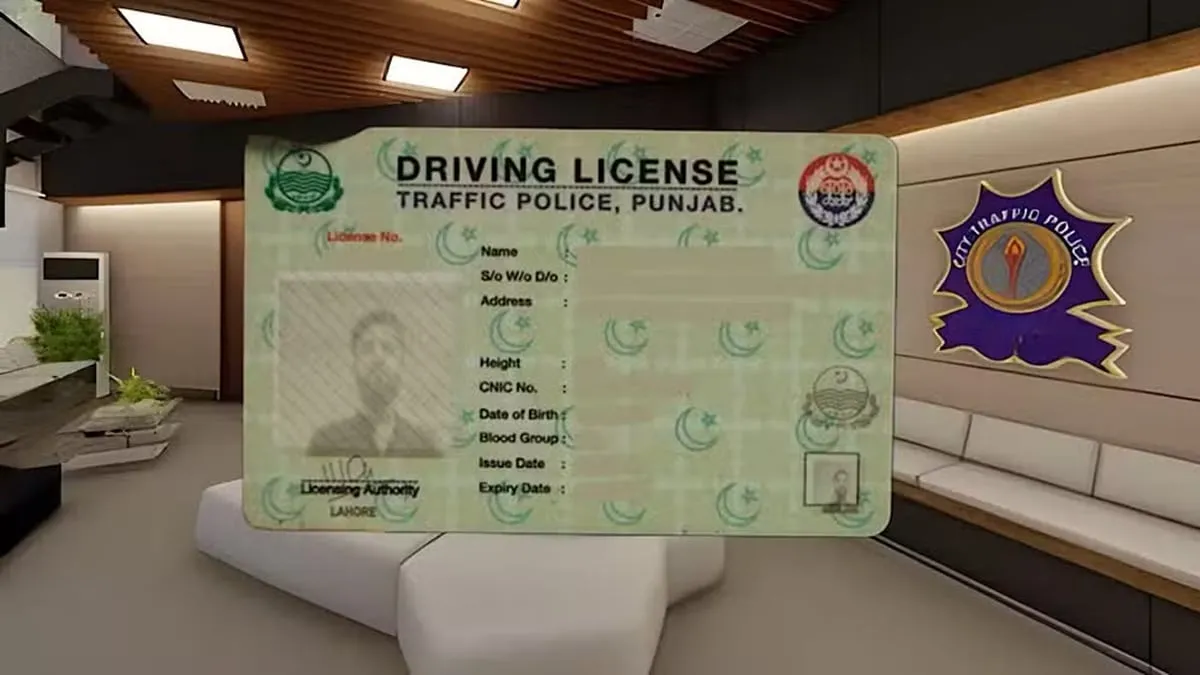
Punjab has processed more than 438,000 driving licence applications in just three weeks, with Lahore accounting for over 75,000 of the licences issued during the period.
Why the Sudden Spike in Licence Issuance?
The province-wide drive followed instructions from the Deputy Inspector General of Traffic to speed up licensing services and make them more accessible to citizens. The order came after months of public complaints about long waiting times at Regional Transport Offices (RTOs) and a backlog that threatened to delay new drivers and renewals.
Breakdown of the Numbers
Figures shared by a traffic police spokesperson show that authorities issued more than 141,000 learner permits and over 130,000 regular driving licences across Punjab. Another 163,000-plus licences were renewed during the same period, covering learner, regular and international categories. The total of 438,000 applications processed in three weeks represents a dramatic increase compared with the average monthly throughput of roughly 120,000 licences recorded in the first half of 2024.
How the Traffic Department Implemented the Acceleration
To meet the Deputy Inspector General's directive, the traffic police introduced several operational changes:
- Extended service hours at major RTOs, especially in Lahore, Faisalabad, and Rawalpindi, with some offices staying open until 8 pm.
- Deployed additional staff, including temporary clerks and examiners, to handle the surge in paperwork and driving tests.
- Implemented a digital queuing system that allowed applicants to book slots online, reducing on-site waiting.
- Set up mobile licensing units that travelled to smaller towns, bringing testing facilities closer to residents.
These measures collectively cut the average processing time from 45 days to under 15 days, according to the traffic police spokesperson.
Impact on Different Stakeholder Groups
Drivers, employers, and public transport operators all feel the effects of faster licence issuance. Young adults seeking their first licence can now obtain a learner permit within a week, allowing them to start driving lessons sooner. Commercial vehicle owners benefit from quicker renewals, minimizing downtime for trucks and buses that depend on valid licences to operate legally.
For the provincial government, the rapid issuance supports broader road-safety initiatives by ensuring that drivers are tested and certified promptly, rather than operating with expired or provisional documents.
Historical Context of Licensing in Punjab
Punjab's licensing system has historically been managed by the provincial traffic police in coordination with the National Database and Registration Authority (NADRA). Over the past decade, the province has introduced electronic applications and biometric verification to curb fraud. However, infrastructure constraints and staffing shortages have often limited the speed of service delivery.
In 2022, a nationwide audit highlighted that Punjab's licence renewal rate lagged behind other provinces, prompting the traffic department to draft a modernization plan. The current three-week drive can be seen as the first major implementation of that plan.
Legal Framework Governing Driving Licences
Driving licences in Pakistan are issued under the Motor Vehicles Ordinance 1914, which empowers provincial traffic authorities to grant, renew, and revoke licences. Learner permits are valid for six months and require the holder to display an L-plate while driving under supervision. Regular licences are issued after passing a theory test and a practical road test. International licences, a separate category, are granted to residents who need to drive abroad and are subject to additional documentation.
What Citizens Should Expect Going Forward
While the current surge appears to be a response to a specific directive, the traffic department has indicated that the new procedures will remain in place as part of an ongoing effort to improve service. Applicants should continue to use the online booking portal to secure test dates and should expect shorter waiting periods at RTOs.
Renewal reminders will be sent via SMS and email, leveraging NADRA's database to ensure that licence holders receive notice 30 days before expiry. The traffic police also plan to expand mobile units to cover more remote districts by the end of the year.
Practical Takeaways for Applicants
Anyone planning to apply for a new licence or renewal should:
- Visit the official traffic police website to book a slot online.
- Carry original CNIC, passport-size photographs, and any existing licence documents.
- Arrive at the RTO at least 15 minutes before the scheduled time to complete verification.
- For learner permits, arrange a qualified supervisor to accompany the test drive.
Following these steps will help applicants take full advantage of the accelerated service.
What to Watch for Next
Analysts will monitor the monthly licence issuance figures released by the traffic department to see if the three-week spike sustains. The next quarterly report, due in early February, will reveal whether the new procedures have become the new norm or if volumes revert to pre-directive levels.
Additionally, the provincial government has announced a review of the digital queuing system's performance, with recommendations expected by the end of the year. Stakeholders are encouraged to provide feedback through the traffic police's online portal.
Overall, the rapid processing of more than 438,000 licences in three weeks marks a significant operational achievement for Punjab's traffic authorities and promises lasting benefits for citizens seeking to drive legally and safely.