Thousands of individuals across the UK experience genuine medical conditions that reflect the creatures typically seen in horror films and Halloween costumes. From patients convinced they are deceased to individuals growing facial hair or horns, these medical disorders turn ordinary people into real-life entities.
Ghosts
Charles Bonnet syndrome causes individuals to see non-existent figures like people, animals, or objects. These visual hallucinations last from minutes to hours. First noted by Genevan writer Charles Bonnet in 1760, the condition arises when individuals lose their sight due to cataracts, age-related macular degeneration, or glaucoma. Researchers at Sight Research UK state it impacts around a million people in the UK to varying degrees. While lacking a cure, it can be managed by improving lighting or blinking to disrupt visions.
Zombies
Cotard's syndrome, or walking corpse syndrome, convinces sufferers they are undead. Patients may deny their body exists or believe organs are missing. Identified by neurologist Jules Cotard in the 1880s, it affects a few hundred people globally as a form of delusional psychosis tied to severe depression. Some sufferers have died from starvation or spent time in graveyards. Experts attribute it to brain malfunctions in face recognition areas and drug reactions, managed through medication and therapy.
Werewolves
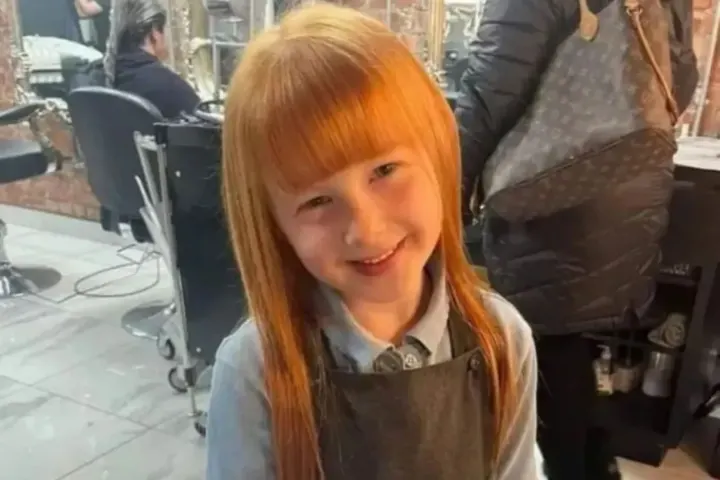
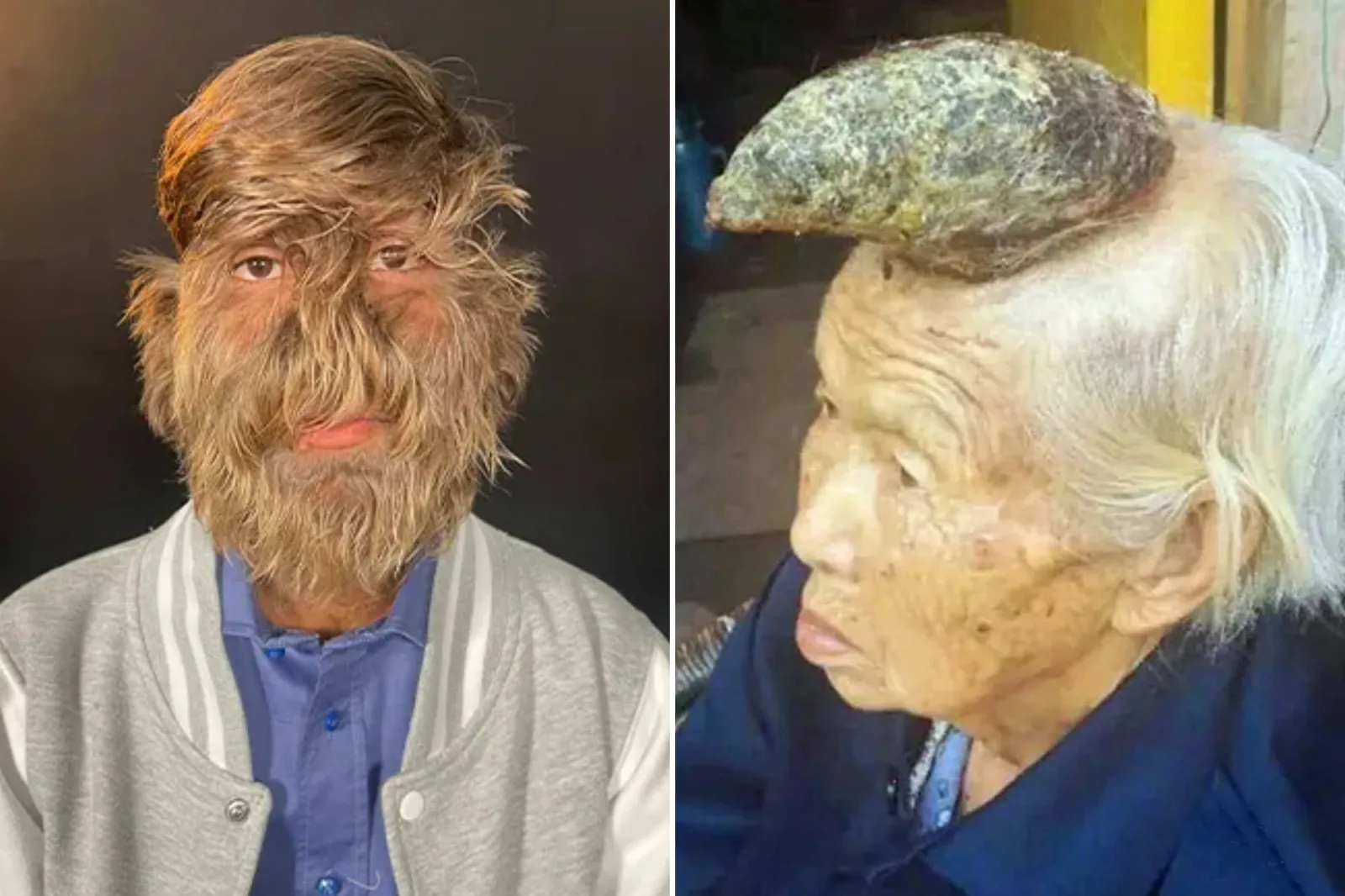
Hypertrichosis, or werewolf syndrome, brings excessive hair growth across the body. It impacts one in a billion people globally, including both women and men. Indian teenager Lalit Patidar has 95 per cent of his face covered in hair. Present from birth and running in families, it links to mutated genes, though medication and malnutrition can trigger it. Treatments include laser hair removal. Additionally, clinical lycanthropy is a rare psychiatric delusion where people believe they turn into animals, with roughly 50 cases reported since the 19th century.
Vampires
Sun allergies link to vampire folklore. Polymorphic light eruption causes sun-triggered skin rashes. Erythropoietic protoporphyria is a genetic blood disorder appearing in childhood, causing extreme UV sensitivity, blistering, and pain. An enzyme deficiency leads to protoporphyric build-up and low iron, causing anaemia and pale appearances. Managed by limiting sun exposure and blood transfusions, a 2017 Boston Children's Hospital study suggested it inspired vampire folklore.
Devils and demons
Cutaneous horns can appear on the body, including hands, arms, and the neck. An elderly Chinese woman named Liang Xiuzhen grew a five-inch cutaneous horn on her head. Formed from keratin, they connect to skin conditions like warts or sun damage, with roughly 20 per cent linked to skin cancers. Surgery removes them, alongside treating underlying issues. Furthermore, prosopometamorphopsia causes sufferers to see distorted demon faces in others, with only 75 reported cases linked to brain injuries.
Aliens
Alien hand syndrome is a neurological disorder where limbs move independently, forcing sufferers to restrain them. First identified in 1908, about 150 cases exist, typically following brain surgery, strokes, or dementia. Treatments involve Botox and mirror box therapy.