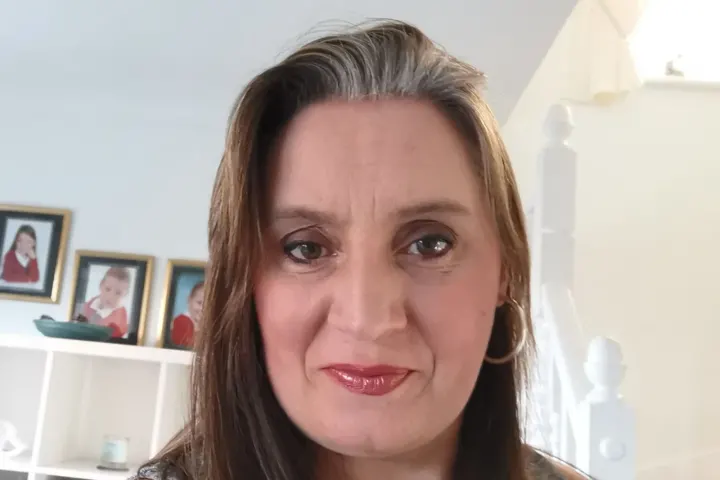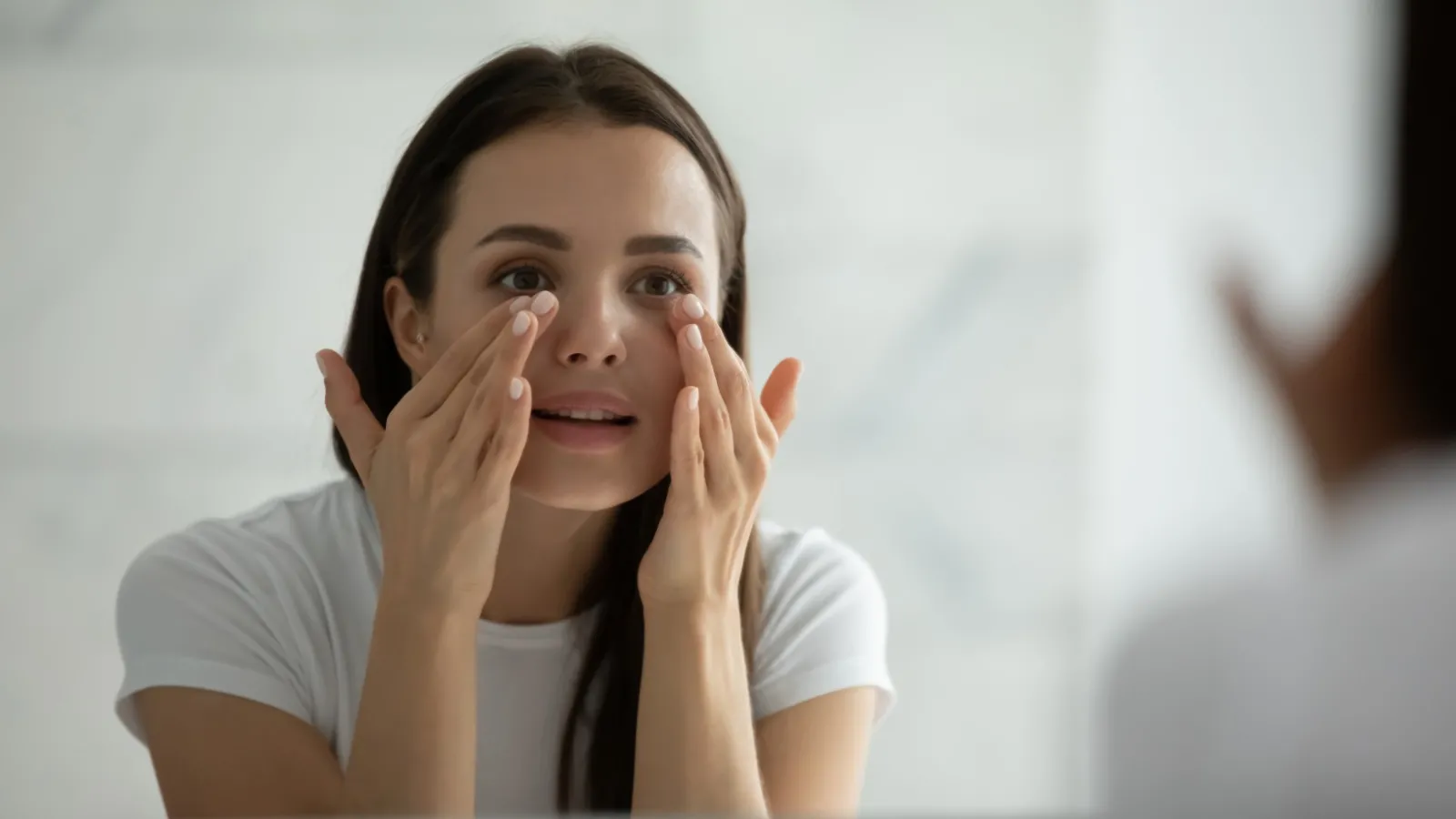
Social media platforms overflow with beauty content, and while some advice proves helpful, much of it remains a fad. The latest expression is ferritin face, with online creators warning that specific facial features might point to low iron levels. Viral clips claim various iron deficiency indicators appear on our skin, ranging from dark under eye circles to pale complexions. Over the summer, searches for ferritin face on TikTok surged by 5,000 per cent in a single week, gathering nearly two million views. Content about the trend shows no sign of slowing down, raising questions about whether any truth supports ferritin face claims.
Ferritin is a protein that stores iron inside the body, and iron remains crucial for producing red blood cells that transport oxygen. This process plays a vital part in energy production and brain function. Lacking iron can result in iron deficiency anaemia, and a blood test checking ferritin levels serves as the sole official method to diagnose this condition. When someone has a deficiency, medical professionals may advise taking iron tablets, which can cost as little as 5p per pill in certain cases. Certain deficiency symptoms can manifest visibly on the face, such as paler skin than usual, and this specific fact fuels the ferritin face trend. Experts have distinct opinions regarding these claims.
What Is Ferritin Face?
The phrase has dominated user feeds for months, yet numerous individuals remain unaware of its actual meaning. Ferritin face is a social-media term rather than a recognised medical diagnosis, according to Mr Hasaneen Al Janabi, a renowned doctor, founder and lead injector at Dr Hass Clinic. The symptoms described online typically include pale or dull-looking skin, dark circles under the eyes, paler lips and an overall tired appearance. However, specialists caution that these facial signs do not automatically signify low iron levels.
Dr Ameera Laher, an advanced aesthetic doctor and skin expert at Amedics Clinic, states that such skin changes usually stem from poor sleep, stress, dehydration or genetics. Dr Hass points out that pigmentation, ageing or allergies can also influence dark circles, noting they should not automatically be attributed to low ferritin. Simply having these symptoms does not mean someone has an iron deficiency.
Is Ferritin Face A Thing?
All specialists emphasize that ferritin face is not a medical diagnosis. Dr Roshan Ravindran, aesthetic doctor and founder of KLNIK, describes it merely as a hashtag. Iron lives in the blood rather than on the face, and nobody can read iron levels from under-eye areas, he explains. Other professionals acknowledge some truth in the term, because iron deficiency anaemia can cause skin to appear paler and duller, or under-eye circles to look darker.
The online connection described by users is not entirely made up, says Dr Ameera, though she stresses that nobody can diagnose low iron just by looking in the mirror. Dr Fara Latif, a physician and medical director at Elevate Clinic Cardiff, shares this view. Establishing whether iron stores are low requires appropriate blood tests and clinical assessment, she states. Dr Ameera expresses concern that people are self-diagnosing low iron based on videos and starting supplements independently.
Iron should not be taken freely, as it commonly triggers nausea, stomach pain and constipation. High doses can prove genuinely harmful, and taking supplements blindly might mask an underlying cause requiring investigation. Anyone suspecting issues with iron levels should consult a physician rather than attempting home treatment through guesswork.
How Can You Tell If You Have An Iron Deficiency?
Principal indicators of an iron deficiency involve persistent tiredness unaffected by sleep, shortness of breath, heart palpitations, paler than usual skin and headaches. Less frequent symptoms feature hair thinning or hair loss, nail changes including brittle or spoon-shaped nails, restless legs syndrome and painful open sores at the corners of the mouth. Dr Rosh advises watching closely for any of these signs when experiencing heavy periods.
Specialists observe that many of these changes remain quite subtle. Dr Farah adds that low ferritin represents a finding rather than an independent diagnosis. It can stem from inadequate dietary iron, blood loss or absorption issues, while iron status abnormalities may also arise alongside underlying health conditions like chronic kidney disease. Consequently, professionals must investigate the root cause properly rather than simply treating a blood test number or visual appearance change.
What To Do If You Have An Iron Deficiency
When low iron is confirmed, doctors first work to identify the underlying cause. This process typically involves a blood test, assessing menstrual flow, analysing dietary habits and checking for pregnancy. If a deficiency exists, doctors may suggest an appropriate dose and duration of iron supplements, followed by a repeat blood test to monitor recovery levels, notes Dr Ameera.
Iron tablets remain affordable, with one option at Boots priced at £3.15 for 60 pills, equating to 5p per tablet. At Holland & Barrett, a pack of 90 tablets costs £7.25, working out to about 8p per pill. Dietary choices matter too, as red meat, poultry and fish absorb well, plant sources like lentils, beans and dark leafy greens absorb better alongside vitamin C, while tea or coffee consumed with meals can decrease absorption.
Skincare or aesthetic treatments cannot resolve paleness or dark circles caused by low iron, meaning the root cause must be addressed first. Patients need patience because hair shedding linked to low iron can take several months to resolve even after iron levels improve, she explains. Pupinder Ghatora, pharmacist and Co-Founder of INGENIOUS, notes that iron-rich foods paired with vitamin C enhance absorption.
Experts conclude that anyone noticing facial changes and worrying about an iron deficiency should avoid jumping to conclusions or self-treating with various supplements. See a doctor, not a trend, emphasizes Dr Rosh.