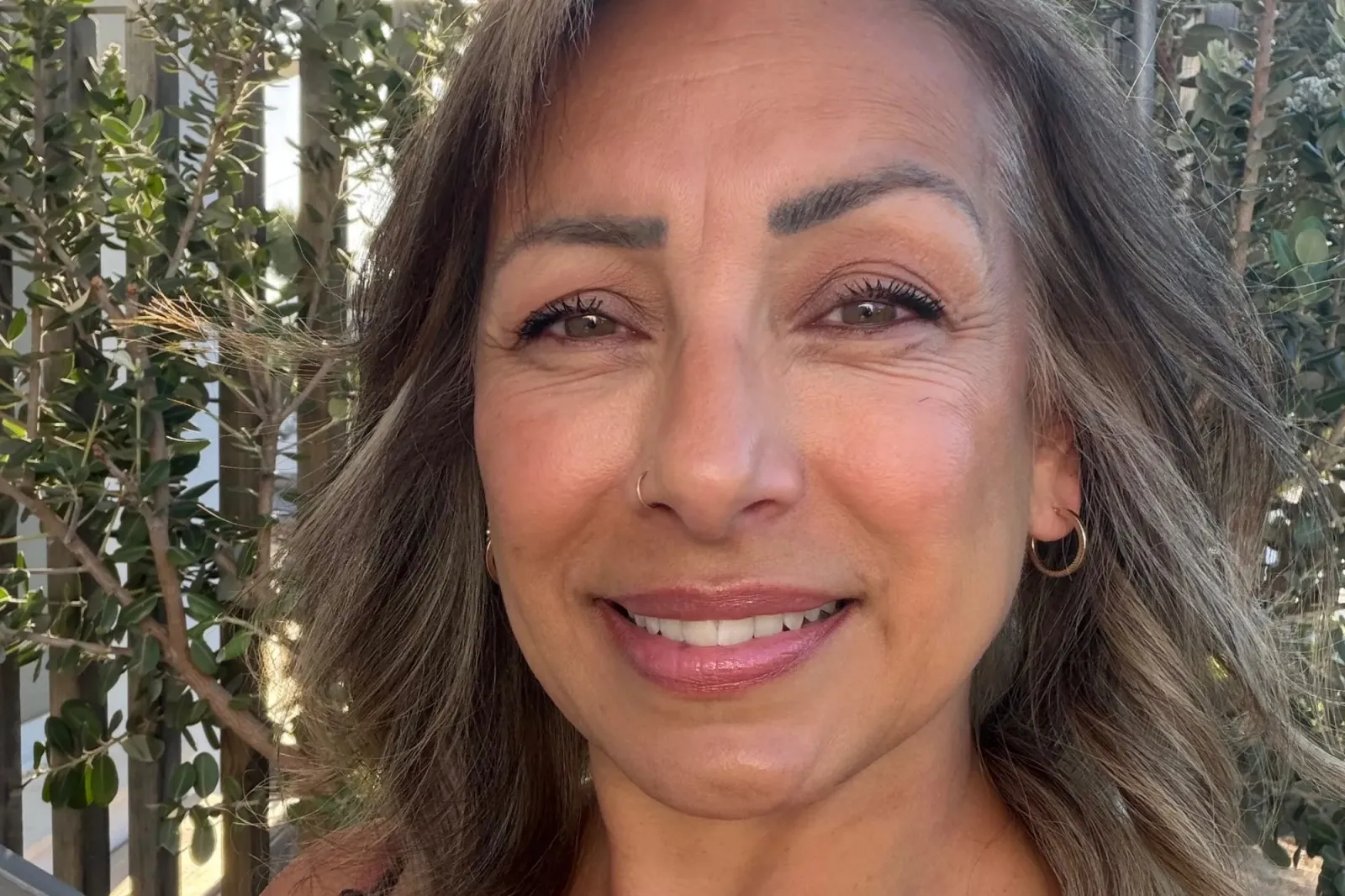
How the Warning Signs Began for Yasmin Ibrahim
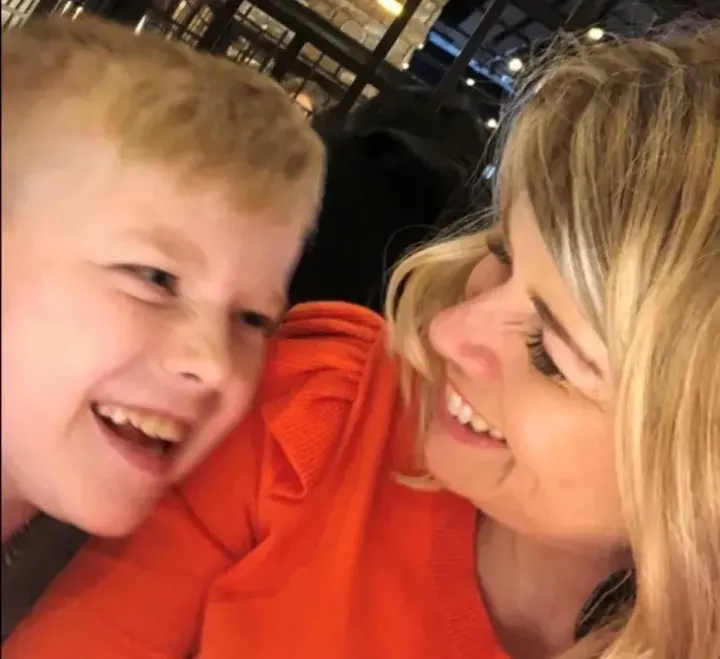
The first indicator that Yasmin Ibrahim was experiencing a medical emergency appeared simply as a loss of grip strength in her left hand. Her partner, John Klapwijk, recalled that two weeks prior to her hospitalisation, the fifty-six-year-old began repeatedly dropping her phone. The couple, living in Richmond, London, had already faced immense hardship after a malignant tumour was discovered on her cervix the previous year. What started as minor clumsiness quickly escalated into a total loss of function on her left side, prompting an emergency hospital admission.
Medical staff determined that she was suffering a stroke, and over the following days, her condition deteriorated further. Mr Klapwijk described the emotional toll of keeping a constant vigil by her hospital bedside. He noted that while she has brief moments of communication and occasional flashes of her usual cheeky personality, she remains on a severe rollercoaster of consciousness. Doctors have advised him to prepare for the worst outcome as she battles multiple medical crises simultaneously.
The Diagnosis and Battle Against Cervical Cancer
The health crisis unfolded against the backdrop of a cancer battle that began when the couple noticed unusual symptoms in August 2025. After experiencing bleeding following intimacy, Ms Ibrahim visited her general practitioner and underwent a local anaesthetic check. The examination revealed a malignant tumour on her cervix, leading to a formal diagnosis just weeks after she first sought professional medical help. The aggressive nature of the disease left both partners shocked, but they immediately resolved to fight the illness together.
Treatment involved a combination of chemotherapy and targeted radiotherapy to tackle the growing mass. After reacting badly to the initial chemotherapy sessions, medical professionals halted that form of treatment, relying instead on radiotherapy to eliminate the primary tumour. Although the radiotherapy succeeded in clearing the initial growth, the cancer had already spread to three lymph nodes by August of this year. This left her in significant physical discomfort, which she often masked due to her resilient personality.
Recognising the Urgent Symptoms of a Stroke
Medical guidelines emphasise that a stroke occurs when the blood supply to a portion of the brain is cut off, leading to cell death and functional impairment. These medical emergencies generally fall into three distinct categories affecting patients differently depending on the region of the brain involved. Ischaemic strokes happen when a blockage like a blood clot stops blood flow, while haemorrhagic strokes involve bleeding in or around the brain. Transient ischaemic attacks, often called mini strokes, present temporary symptoms that serve as major warnings for full-scale events.
Public health messaging relies on the FAST acronym to help members of the public identify critical warning signs quickly. This test checks for facial weakness by observing if a mouth or eye has drooped, arm weakness by testing if a person can raise both limbs, and speech difficulties. Experts advise that anyone observing these symptoms must dial emergency services immediately rather than waiting for conditions to improve. Additional signs to watch for include sudden confusion, severe headaches, dizziness, and sudden loss of vision on one side.
The Intersection of Cancer and Neurological Complications
Following her initial admission on 30 October, Ms Ibrahim suffered two additional strokes while under hospital care. The situation grew more complicated when she also experienced a bleed on the brain, leaving her too physically fragile to receive ongoing cancer treatments. Mr Klapwijk explained the difficult reality of the situation, noting that the underlying cancer is driving the neurological events while her weakened state prevents doctors from treating the malignancy. The couple had planned to marry on 9 October, but the ceremony was postponed to the following year as health issues mounted.
With his fiancée currently in critical condition, Mr Klapwijk has initiated a fundraising campaign to support future recovery efforts. The funds are intended to pay for specialised therapies and secure a peaceful environment for her to recuperate once she leaves the hospital. He remains focused on maintaining hope, expressing his belief that miracles can happen even in the most severe circumstances. As the critical days unfold, he continues to pray for an improvement in her responsiveness and a path toward recovery.