Pro-Israel Lobby Encounters Electoral Setback in US Midterms
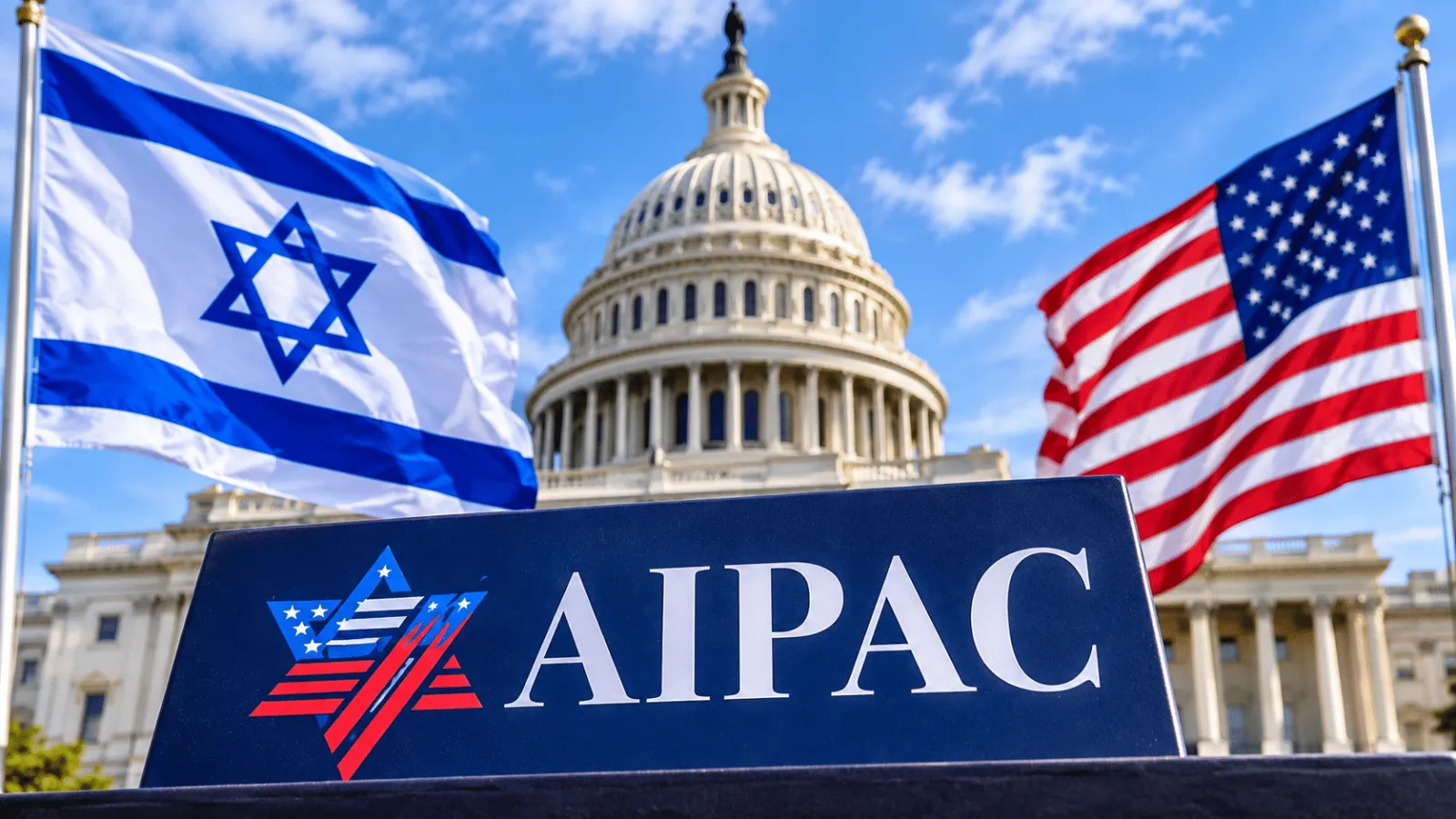
The pro-Israel political network in the United States suffered a substantial financial and electoral setback following the 2026 midterm elections, where groups associated with the American Israel Public Affairs Committee spent more than $55 million backing candidates who ultimately lost their races. An analysis conducted by the Quincy Institute for Responsible Statecraft revealed that approximately $55.3 million went toward unsuccessful campaigns. This figure represents nearly two-thirds of the total spending deployed by political action committees and groups tied to the organization during the cycle.
The outcome arrived after voters went to the polls on November 3, resulting in Democrats winning control of both chambers of Congress. This political shift in Washington reshaped the legislative landscape and altered the balance of power on Capitol Hill. While the lobbying network secured numerous victories across the country, the high failure rate of its heavily financed campaigns highlights the shifting dynamics of American electoral politics and foreign policy debates.
How AIPAC and Allied Super PACs Spent $84.1 Million
During the 2026 election cycle, political committees linked to the organization collectively invested around $84.1 million. This total spending was distributed through AIPAC itself, its affiliated United Democracy Project super PAC, and other associated political committees. The organization has also changed its name to United Democracy Project as part of its ongoing operational evolution in American politics.
The heavy financial outlays targeted specific primary and general election matchups across various states. Much of the capital funded television advertisements, digital campaigns, and direct mailers. These efforts aimed to support candidates viewed as favourable to Israel while simultaneously working to defeat politicians who voiced criticism regarding American military and diplomatic support for the country.
Analysis by the Quincy Institute for Responsible Statecraft
The detailed accounting of the spending and electoral outcomes came from the Quincy Institute for Responsible Statecraft, a Washington-based think tank that monitors foreign policy and political lobbying. Their research tracked the flow of money from super PACs and donor networks into congressional contests. The findings showed that out of $84.1 million total spent, about $55.3 million failed to yield a winning result on election night.
This high proportion of unsuccessful spending points to the limits of financial intervention in certain congressional districts. Analysts tracking campaign finance note that while large sums can heavily influence primary contests and raise name recognition, voter sentiment and local issues often override outside spending in general elections. The divergence between funds spent and seats won provides a clear metric for evaluating the return on investment for major lobbying groups.
Understanding the Congressional Shifts and Electoral Outcomes
The November 3 elections brought profound changes to the federal legislature as Democrats secured majorities in both the House of Representatives and the Senate. These victories altered committee leadership positions and changed the party dynamics required to pass legislation or approve foreign aid packages. Candidates who centered their platforms on domestic economic concerns often found unexpected traction with voters.
Despite the high-profile defeats of numerous favored candidates, the political network defended its overall record by pointing to concurrent successes. The organization stated that more than 234 candidates it supported across both political parties won their respective contests. These mixed results demonstrate that while the group retains a broad base of allied lawmakers in Washington, its most expensive targeted interventions faced stiff resistance from voters.
The Broader Impact of Foreign Policy Lobbying on US Elections
The financial involvement of foreign policy interest groups in domestic elections remains a subject of intense debate among political scientists and voters. Spending tens of millions of dollars on congressional races shapes how candidates discuss international affairs on the campaign trail. When large sums are deployed to influence debates over foreign aid and diplomatic alliances, campaigns frequently focus heavily on these divisive topics.
For voters and local businesses in affected districts, the influx of outside money often transforms quiet local races into nationalized battles. The reliance on super PAC funding raises questions about the influence of wealthy donors on the democratic process. As political committees assess the outcomes of the November 3 elections, campaign strategists from all perspectives are reviewing how financial resources are allocated for future election cycles.
What Lies Ahead for Political Action Committees After the Midterms
Following the conclusion of the 2026 midterms, political organizations are turning their attention toward legislative battles in the newly constituted Congress. Lawmakers who survived challenging campaigns must now navigate divided or shifted majorities while managing constituent expectations. Lobbying groups of all types are recalibrating their strategies in response to the electoral losses and victories documented by watchdogs like the Quincy Institute for Responsible Statecraft.
Observers of Washington politics will watch closely to see how campaign spending evolves ahead of future election cycles. The heavy losses recorded by well-funded super PACs may prompt a reassessment of where and how money is spent in competitive congressional districts. As accountability measures and campaign finance transparency laws remain under scrutiny, the methods used by political action committees will continue to shape American governance.