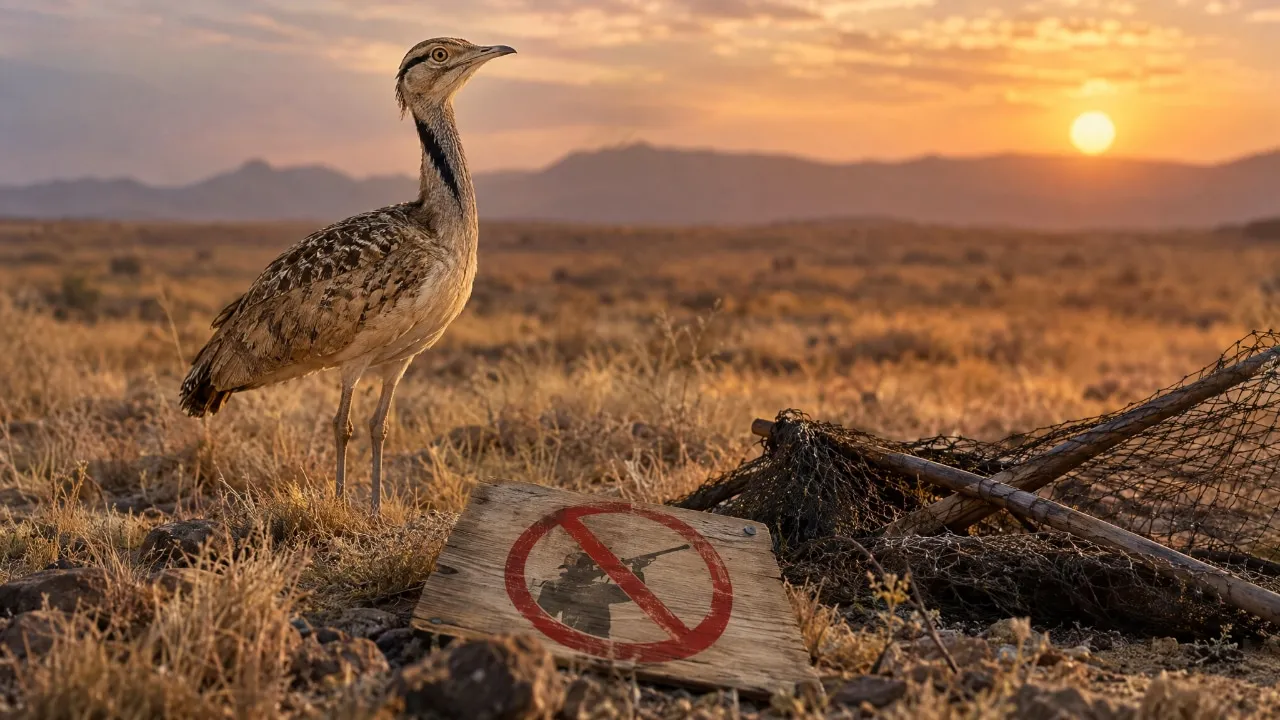
Sindh Halts New Hunting Permits for 2026-27 Season
Sindh has slammed the brakes on bird hunting, with Chief Minister Murad Ali Shah directing the Forest and Wildlife Department not to issue fresh permits for the 2026-27 game bird hunting season. This strict measure marks a significant shift in regional wildlife management policy, prioritizing ecological preservation over recreational hunting access. The provincial government decided to halt the entry of new hunters while strictly limiting access for existing license holders.
The cabinet ratified a sub-committee's recommendations that limit permits to applicants whose licenses were renewed this year, effectively freezing new entrants. By blocking new applications, authorities aim to reduce the overall hunting pressure on vulnerable avian species across the province. Officials emphasized that conservation priorities must take precedence as migratory and resident bird populations face mounting environmental pressures.
Understanding Game Bird Bag Limit Reductions in Sindh
The restrictions implemented by the provincial cabinet introduce severe reductions in the number of birds hunters can legally harvest. These bag limits dictate the maximum quantity of specific species an individual permit holder may take during the designated season. The cuts run deep across multiple categories of game birds.
For quail, the limit drops from 50 per permit down to 20. Partridges and sandgrouse limits fall from 10 to five per permit. Other waterfowl and game bird allowances drop from 15 to five per permit. These numerical restrictions are designed to curb excessive harvesting and allow depleted populations time to recover in their natural habitats.
Stiffer Penalties and Non Bailable Offenses for Poachers
Alongside reduced bag limits, the penalties got brutal too. The current maximum of three months' jail and a Rs 5,000 fine per bird jumps to up to one year in prison and Rs 50,000 per bird, with the Houbara bustard carrying a staggering Rs 100,000 per bird fine. These steep financial penalties and extended prison terms reflect the government's zero tolerance approach to illegal wildlife trade and unauthorized hunting.
Furthermore, trapping and netting birds are now non-bailable offences, denying suspects immediate release and ensuring they face formal judicial proceedings. Law enforcement agencies gain stronger legal backing to apprehend violators and prosecute wildlife crimes effectively. By closing legal loopholes and increasing the risks associated with poaching, authorities hope to deter illegal trapping networks operating in rural districts.
Enforcement and Wildlife Guard Staffing Updates
To ensure these new rules are actively enforced on the ground, the department can fill 399 vacant Wildlife Guard posts to beef up enforcement. Adequate staffing is essential for patrolling vast remote areas where illegal hunting and trapping frequently occur. These guards will monitor compliance, check permits, and take action against violators.
The deployment of additional personnel addresses long-standing concerns regarding the lack of field oversight in protected areas. With nearly 400 new guards joining the workforce, the Forest and Wildlife Department expands its operational capacity significantly. This manpower boost forms the backbone of the province's updated strategy to safeguard vulnerable bird populations.
Background on Bird Conservation in Sindh
Sindh serves as a vital wintering ground for numerous migratory birds traveling through the Indus Flyway. Conservationists have long raised alarms over declining bird counts due to habitat loss, agricultural expansion, and unchecked hunting. The government's latest intervention responds to years of ecological monitoring showing stressed wildlife populations across the region.
Regulating hunting through permits and bag limits is a standard wildlife management tool used globally. However, historical enforcement challenges often limited the effectiveness of these policies. The current administrative shift combines restricted access with severe deterrents to create a more stringent regulatory environment.
Impact on Hunters and Local Communities
Recreational hunters accustomed to liberal bag limits must now adapt to much tighter restrictions. Existing permit holders face constrained quotas, while prospective hunters are locked out entirely for the upcoming season. These rules reduce the economic activity associated with commercial hunting tourism in designated rural tracts.
Conversely, local communities and conservation groups stand to benefit from healthier ecosystems and protected biodiversity. Strict enforcement protects local bird species from overexploitation, preserving natural heritage for future generations. The policy balances traditional recreational uses with urgent ecological necessities.





