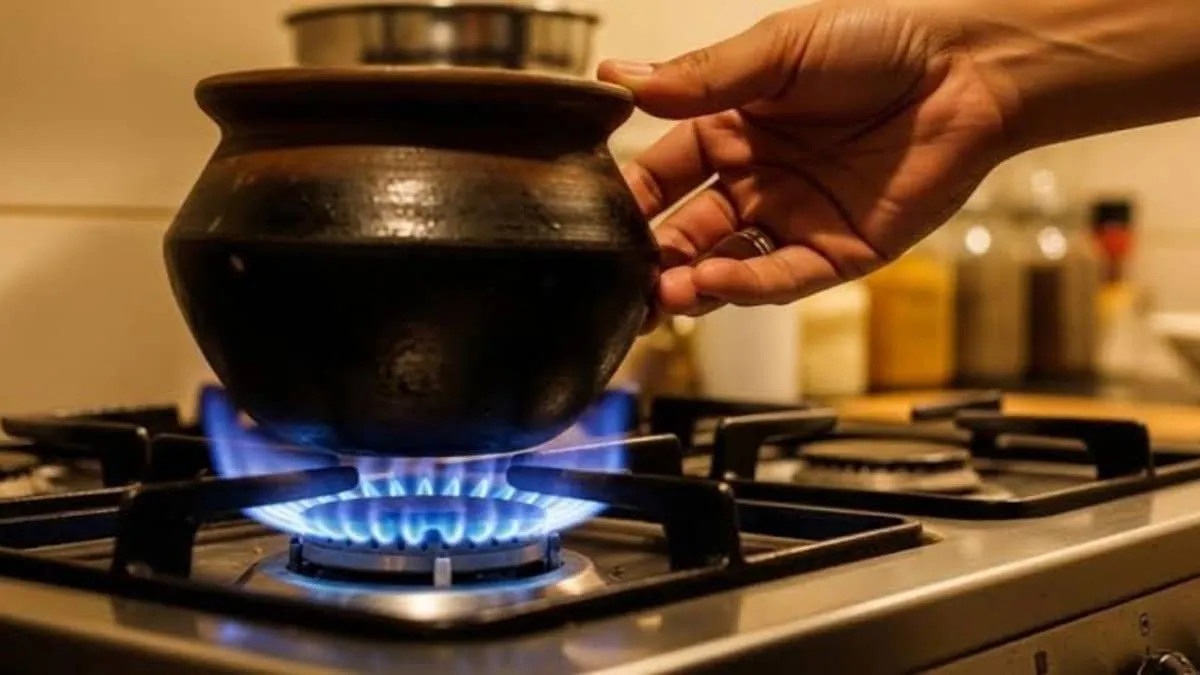
Sui Northern Gas Pipelines Limited (SNGPL) announced a winter gas load-management schedule that will restrict domestic gas to three daily cooking-time slots for households in Islamabad, Punjab and Khyber Pakhtunkhwa beginning Wednesday, November 4.
The new timings allocate gas from 6:30 a.m. to 9:00 a.m., 12 p.m. to 2:30 p.m. and 6:00 p.m. to 9:00 p.m. The government says the move prioritises residential users as declining LNG availability and rising winter demand strain Pakistan's gas supply system.
Why SNGPL Introduced Load Management This Winter
Pakistan's gas network has long relied on imported liquefied natural gas (LNG) to supplement domestic production. In the past six months, global LNG cargoes have been delayed and prices have surged, reducing the volume arriving at the country's import terminals. At the same time, winter temperatures in the north have fallen below 5 °C, prompting a spike in heating and cooking demand.
Historically, SNGPL has used load-management schemes during peak summer months to curb industrial consumption and protect supply for households. The current schedule mirrors those earlier measures but is notable for its focus on three distinct cooking windows rather than a single curfew period.
Details of the Domestic Cooking Slots
Each slot is designed to cover a typical meal period:
- Morning slot - 6:30 a.m. to 9:00 a.m., covering breakfast preparation.
- Midday slot - 12 p.m. to 2:30 p.m., covering lunch cooking.
- Evening slot - 6:00 p.m. to 9:00 p.m., covering dinner.
Households outside the three provinces - namely in Sindh and Balochistan - are not covered by this schedule and will continue to receive gas on a continuous basis, subject to local distribution constraints.
Impact on the Compressed Natural Gas (CNG) Sector
SNGPL has reduced the daily allocation for the CNG sector from 50 million cubic feet per day (mmcfd) to 35 mmcfd. The company also warned that it may suspend CNG supplies entirely in the coming days if the gas balance does not improve.
CNG stations across the affected provinces have already reported longer queues and higher prices for end-users. The reduction reflects the government's decision to divert gas that would otherwise fuel CNG vehicles toward residential heating and cooking.
Industrial and Power Sector Allocations
Industries that receive gas through SNGPL's distribution network are already experiencing cuts. The cement sector, for example, has shifted most of its fuel mix to coal, a move that began in early October after the company announced tighter gas quotas.
For industries connected directly to the national transmission network, the current allocations are:
- Export-oriented and non-export industrial consumers - approximately 200 mmcfd.
- Power generation sector - roughly 140 mmcfd.
- Fertiliser manufacturers - about 53 mmcfd.
These figures represent a reduction from pre-winter levels, and officials caution that further cuts remain possible if gas imports do not recover.
Background: Pakistan's Gas Supply Chain
Pakistan's gas system consists of three main components: upstream production (primarily from the Sui gas fields), midstream transmission pipelines, and downstream distribution networks operated by SNGPL, SSGC and other regional utilities. Domestic production peaked in the early 2000s and has been in gradual decline due to depleted reservoirs and limited new discoveries.
To bridge the gap, the country imports LNG through the Karachi Port and the newly commissioned LNG terminal at Port Qasim. Each LNG cargo typically delivers between 0.5 and 0.8 mmcfd of gas for a period of 10-12 days. In 2023-24, the average monthly LNG receipt fell by 12 % compared with the same period a year earlier, according to the Ministry of Energy.
The winter load-management plan is therefore a response to a structural supply-demand mismatch, not a temporary glitch.
What Consumers and Businesses Should Expect
Residential users will need to plan cooking around the three approved windows. Many households have already installed timer-controlled gas stoves that automatically shut off outside the allotted periods.
Businesses that rely on continuous gas - such as bakeries, small food-processing units and hospitals - are advised to explore backup options. Diesel-powered generators, small-scale LPG cylinders or on-site solar-thermal systems can provide interim relief, though each carries additional cost.
Industrial firms receiving gas through the transmission network should monitor SNGPL's daily bulletins for any further adjustments. The Ministry of Finance is reportedly reviewing a short-term subsidy package for sectors most vulnerable to supply cuts.
Next Steps and Monitoring
SNGPL will publish daily supply updates on its website and through SMS alerts to registered consumers. The company has also set up a toll-free hotline for complaints and queries.
Authorities will assess LNG cargo arrivals on a weekly basis. If import volumes rise, the load-management schedule could be relaxed after a minimum of two weeks, subject to approval by the Oil and Gas Regulatory Authority (OGRA).
Stakeholders are urged to stay informed through official channels and to conserve gas wherever possible during the peak winter months.
For now, the three-slot schedule represents the most visible measure to keep households warm and fed while the country navigates a tight gas balance.