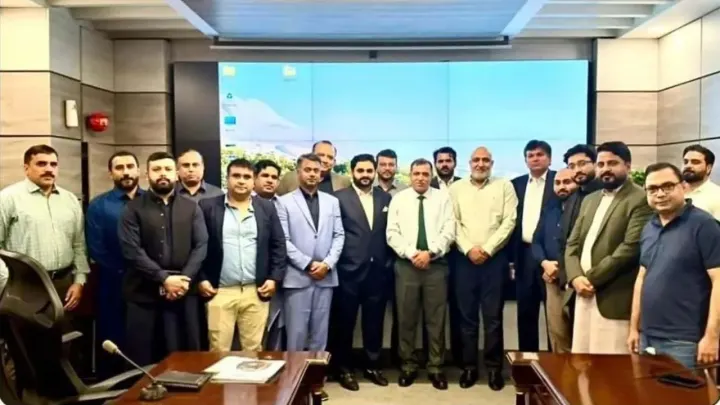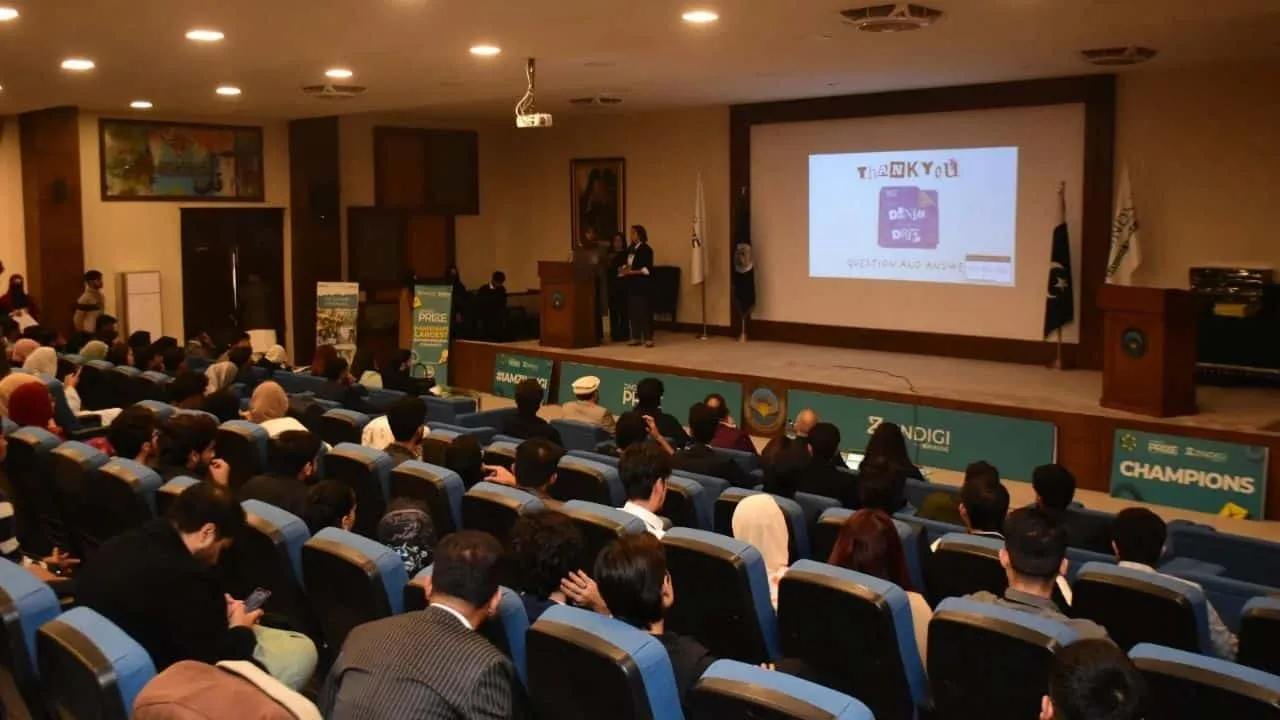
Zindigi Prize, the flagship youth empowerment initiative of Zindigi powered by JS Bank, and Pakistan's largest homegrown entrepreneurial community, successfully concluded its Islamabad Regionals 2026, co-hosted by HITEC University, Taxila.
What Happened at the Islamabad Regionals 2026?
The two-day event, held at HITEC University's main auditorium, brought together 75 promising startups that had advanced through the Campus Rounds. An opening ceremony introduced the participants, followed by speaker sessions, panel discussions, mentorship clinics and speed-dating style networking. Judges evaluated each venture on criteria that include innovation, market potential, scalability and social impact.
After the rigorous evaluation, LunaCapture, a project from the Institute of Space Technology (IST) in Islamabad, was announced as the winner. AccessBridge AI, representing the Bahria School of Engineering and Applied Sciences, H-11, secured the First Runner-Up position, and Zaplock from Bahria University, E-8 Campus, took Second Runner-Up.
Why the Zindigi Prize Matters for Pakistan's Startup Landscape
Since its launch, Zindigi Prize has aimed to nurture innovation, empower youth and strengthen the country's entrepreneurial ecosystem. The programme operates a tiered competition model: campus-level rounds engage students at individual universities, regional rounds bring together the top campus teams, and a national final crowns the overall champion. This structure creates a pipeline that connects nascent ideas with mentorship, funding and market exposure.
With a footprint now spanning more than 130 universities and over 5,000 startups engaged nationwide, the initiative has become a central hub for young innovators. Participants gain access to industry experts from sectors such as fintech, agritech, health tech and artificial intelligence, as well as mentorship from seasoned entrepreneurs and investors.
How the Competition Is Structured
The Zindigi Prize competition follows a three-stage process:
- Campus Rounds: Each university conducts an internal selection where student teams pitch their ideas to faculty judges. Winners move on to the regional stage.
- Regional Rounds: Teams from multiple campuses gather at a host university, in 2026, HITEC University, to present refined pitches before a panel of external judges and industry mentors.
- National Final: Regional winners compete in a televised final in Islamabad, where the overall Zindigi Prize champion is chosen.
The evaluation rubric awards points for problem definition, solution originality, business model viability, team capability and potential societal impact. Judges also consider the alignment of each venture with national development priorities, such as the Digital Pakistan vision and the Sustainable Development Goals.
Profiles of the Top Three Winners
LunaCapture - Winner
LunaCapture, developed at the Institute of Space Technology, focuses on low-cost satellite imaging for agricultural monitoring. The startup leverages small-satellite constellations to deliver real-time crop health data to farmers, helping them optimize water usage and fertilizer application. The judges praised its technical feasibility, clear market need and alignment with Pakistan's agrarian economy.
AccessBridge AI - First Runner-Up
AccessBridge AI, a product of the Bahria School of Engineering and Applied Sciences, offers an AI-driven platform that connects underserved students with scholarship opportunities and career pathways. By analyzing academic records and extracurricular profiles, the system matches candidates with institutions and employers that fit their skill sets. The panel highlighted its social impact potential and scalability across the country's education sector.
Zaplock - Second Runner-Up
Zaplock, originating from Bahria University's E-8 Campus, provides a secure, blockchain-based solution for supply-chain verification in the pharmaceutical industry. The technology aims to combat counterfeit medicines by creating immutable records of product provenance. Judges noted its relevance to public health and the regulatory environment.
Impact on Participants and the Wider Ecosystem
Beyond the trophies, each of the top three teams received cash prizes, mentorship packages and introductions to potential investors. LunaCapture, for example, secured a seed-stage investment of Rs. 2.5 million from a local venture capital firm and will receive six months of advisory support from JS Bank's entrepreneurship desk.
All 75 participants benefited from the speed-dating sessions, where they met over 30 industry mentors ranging from fintech executives to agritech researchers. These interactions often lead to pilot projects, internships or joint research agreements. According to the Zindigi Prize organizers, more than 40% of participating teams reported follow-up meetings with mentors within two weeks of the event.
What Comes Next for Zindigi Prize
The next phase is the National Final, scheduled for March 2027 in Islamabad's Capital Complex. Winners of each regional round, including those from Lahore, Karachi, Peshawar and Quetta, will converge to compete for the national title and a grand prize of Rs. 5 million. The national stage will be streamed live on national television and the Zindigi digital platform, offering broader visibility for the finalists.
Organisers also announced plans to expand the Campus Round network to an additional 30 universities by the end of 2027, aiming to reach a total of 160 institutions. This expansion is part of a broader strategy to embed entrepreneurship education into the curricula of science, engineering and business programs across Pakistan.
Practical Takeaways for Aspiring Entrepreneurs
For students considering participation, the Zindigi Prize offers a clear pathway: start with a solid problem statement, develop a minimum viable product, and practice concise pitching. The competition's emphasis on mentorship means that teams should actively seek feedback during the Campus Rounds, not wait for the regional stage.
Entrepreneurs outside academia can also engage by offering mentorship or sponsoring prize money. Companies that partner with Zindigi gain early access to emerging technologies and talent, aligning corporate social responsibility goals with innovation scouting.
How the Initiative Aligns with National Policy
The Zindigi Prize dovetails with Pakistan's "Vision 2025" agenda, which calls for a knowledge-based economy, increased private sector participation in research and development, and the creation of 2 million jobs in the tech sector by 2030. By fostering startup creation at the university level, the programme contributes directly to these targets.
Furthermore, the focus on sectors such as agriculture, education and health aligns with the government's priority areas for digital transformation. The Ministry of Science and Technology has publicly endorsed the Zindigi Prize as a model for public-private partnership in youth empowerment.
Overall, the Islamabad Regionals 2026 demonstrated the depth of talent in Pakistan's universities and the effectiveness of structured, mentorship-driven competitions in converting ideas into market-ready ventures.