Stopping Weight Loss Jabs Doubles Heart Attack and Stroke Risk
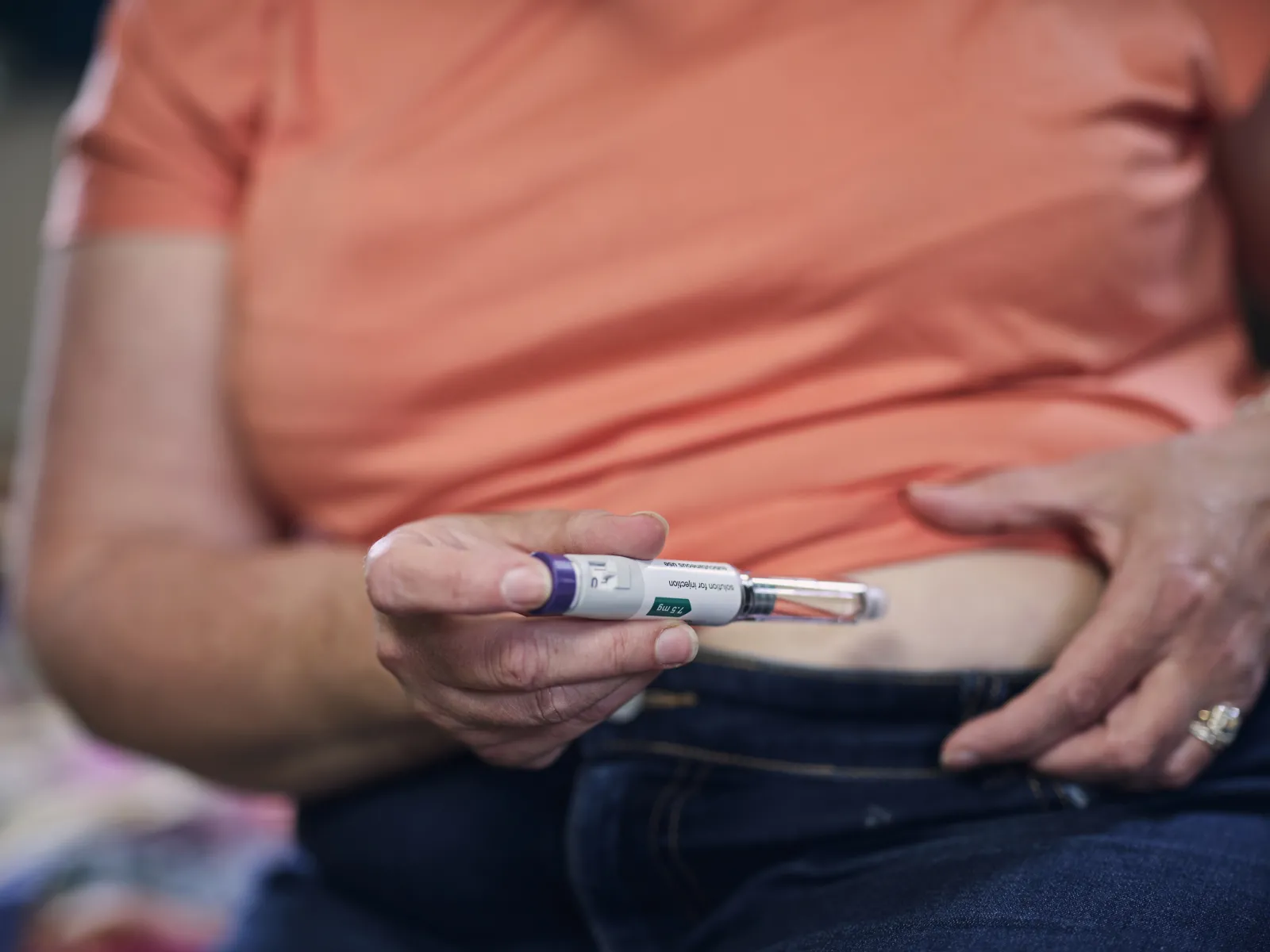
Stopping weight loss jabs could double the risk of heart attack, stroke or death in people with type 2 diabetes, a new study has suggested. Research has repeatedly shown that weight loss injections such as Ozempic and Wegovy can help to improve people's heart health, with scientists previously observing that semaglutide reduces the risk of heart attack and stroke regardless of the amount of weight lost.
However, the new research shows that discontinuing these treatments, medically referred to as GLP-1s, is associated with twice the risk of severe cardiovascular events or death compared to staying on the medication. This heightened risk was observed even among study participants who had no established heart disease when they began the injections.
How the Study on GLP-1 Jabs Was Conducted
Published in The Lancet Regional Health - Europe, the study analysed electronic medical records from more than 300 diabetes clinics in Italy. Researchers identified more than 80,000 people with type 2 diabetes who were prescribed fat jabs. The international research team included specialists based in Italy as well as experts from Guy's and St Thomas' NHS Foundation Trust in London.
Data showed that people who continued their treatment used a GLP-1 for nearly three years on average. In contrast, those who stopped the injections used them for just over one year. Statistics indicate that up to 50 per cent of individuals taking these weight loss drugs stop treatment within the first year for various reasons.
Heart Attack and Stroke Rates Among Patients
The results of the analysis showed that the risk of a non-fatal heart attack, non-fatal stroke, or death from any cause was about twice as high in people who stopped GLP-1s. This is compared directly to individuals who continued their treatment regimen. The research team explained this translates to about four strokes or heart attacks per 100 people per year among those who stopped, compared with two per 100 among those who continued taking the medication.
Furthermore, the scientists observed that among those who stopped the injections, cardiovascular risks seemed to be higher in individuals who were still obese. Other results indicated that stopping the drugs might impact the heart regardless of whether people regained weight or if their blood sugar and blood pressure levels went up.
Common Side Effects of GLP-1 Injections
Many patients discontinue their medication due to adverse reactions or other challenges. Common side effects of GLP-1 jabs include:
- Nausea and heartburn
- Constipation
- Headaches
- Vomiting
- Diarrhoea
- Injection site reactions, redness, bruising, itching, swelling and pain
- Gallstones and gallbladder inflammation
Limitations of the Research Findings
The researchers stressed that the study was strictly observational. This means they could not prove whether stopping the treatment directly caused these health issues, or whether the people who stopped were already in poorer health before discontinuing the medication. The scientists also did not know the exact reasons why individuals stopped taking the jabs, which could include side effects, cost factors, or other illnesses.
Additionally, the research team noted that their study did not include tirzepatide, which is the active ingredient in Mounjaro. Therefore, the findings cannot be extended to this specific type of fat jab. Experts urge patients and healthcare providers to interpret these new findings with careful consideration.
Expert Commentary on Diabetes and Heart Health
Commenting on the study, Dr Faye Riley, research communications lead at Diabetes UK who was not involved in the research, shared her perspective. We know that GLP-1 medication can help protect against heart attacks and strokes, she noted. This study found that people with type 2 diabetes who stopped taking GLP-1s had a higher risk of heart problems compared to those who continued treatment.
However, these findings should be interpreted with caution, Dr Riley added. This was an observational study, so we cannot tell whether stopping taking GLP-1s directly raised people's risk of heart attack and stroke, or if those who discontinued treatment were already experiencing health problems. The findings reinforce the importance of supporting people to stay on treatments that work for them.