How a Strong Immune System Lowers Prostate Cancer Risk
New research conducted in the UK reveals that having a strong immune system could help prevent prostate cancer by clearing out abnormal cells before they develop into tumours. Scientists discovered that higher levels of specific immune-activating proteins in the blood are directly associated with a lower risk of developing the disease, challenging previous assumptions that prostate cancers entirely suppress bodily defences.
In the UK, around 57,900 men receive a diagnosis of prostate cancer each year, while about 12,300 die from the condition. According to Cancer Research UK, the disease is not linked to preventable causes such as environmental factors or lifestyle habits. However, these new findings suggest that the body plays an active defensive role years before any clinical diagnosis becomes possible.
What the Study Discovered About Immune Proteins
The research, published in Nature Communications, analysed two different data sources from more than 24,000 men. Scientists tested blood samples from men with and without prostate cancer to compare inflammation-related and immune protein levels. They also used genetic tests to determine whether these identified proteins directly influence prostate cancer risk.
Researchers found that higher levels of interleukin-15, also known as IL-15, correlated with a 14 per cent lower risk of prostate cancer after seven or more years. IL-15 is a protein that stimulates and maintains cancer-fighting T cells in the body. Furthermore, in participants with available tumour characteristics, higher IL-15 levels associated with a 26 per cent lower risk of advanced prostate cancer. Several other immune-related proteins displayed similar protective associations.
Conversely, the study observed that men carrying genes linked to higher levels of PARP1, a DNA-repair protein, faced an increased risk of prostate cancer. Scientists must now test whether manipulating these DNA-repair and immune-boosting proteins can safely lower the likelihood of men developing the disease.
What Experts Say About the Immune System and Cancer
Dr Mahboubeh Parsaeian, the lead author of the study, noted the shift in scientific understanding. Prostate cancer was previously considered immunologically cold, meaning it was unlikely to trigger a strong immune response. The findings confirm that the immune system actually plays a part in the early development or suppression of the disease.
Professor David Adler, Chief Scientific and Medical Officer at the PATHORA Institute of Pathology and Tissue Medicine, commented that the body may protect some men years before detection. However, he cautioned that finding immune-related proteins associated with lower risk does not prove that artificially increasing those proteins will automatically prevent cancer. Dr Parsaeian added that existing drugs which manipulate these pathways might offer a way to intervene while men remain healthy.
Professor Karl Smith-Byrne from Oxford Population Health pointed out that the strongest immune signals appeared more than seven years before diagnosis. Simon Grieveson, assistant director of research at Prostate Cancer UK, stated that researchers need a better understanding of the underpinning biology before developing new ways to identify men at greatest risk or create preventive treatments.
Natural Ways to Support Your Immune System
While scientists investigate targeted medical therapies, maintaining general health involves supporting natural bodily functions. When winter months arrive alongside viruses like colds and flu, immune systems work constantly to fight pathogens. Several daily habits help support overall immune function:
- Get enough sleep: Sleep and immunity are closely tied, and inadequate or poor quality sleep is linked to a higher susceptibility to sickness.
- Eat more whole plant foods: Fruit and vegetables are rich in nutrients and antioxidants.
- Eat more healthy fats: Healthy fats, like those found in olive oil and salmon, may boost your body's immune response to pathogens by decreasing inflammation.
- Eat more fermented foods: Foods like yoghurt, kefir and kimchi are rich in beneficial bacteria called probiotics.
- Limit added sugars: Some research suggests that added sugars and refined carbs may contribute disproportionately to obesity, and obesity may increase your risk of getting sick.
- Engage in moderate exercise: Although prolonged intense exercise can suppress your immune system, moderate exercise can give it a boost.
- Stay hydrated: Hydration does not necessarily protect you from germs and viruses, but preventing dehydration is important to your overall health.
- Manage stress levels: Long-term stress promotes inflammation, as well as imbalances in immune cell function.
Understanding Prostate Cancer Symptoms and Statistics
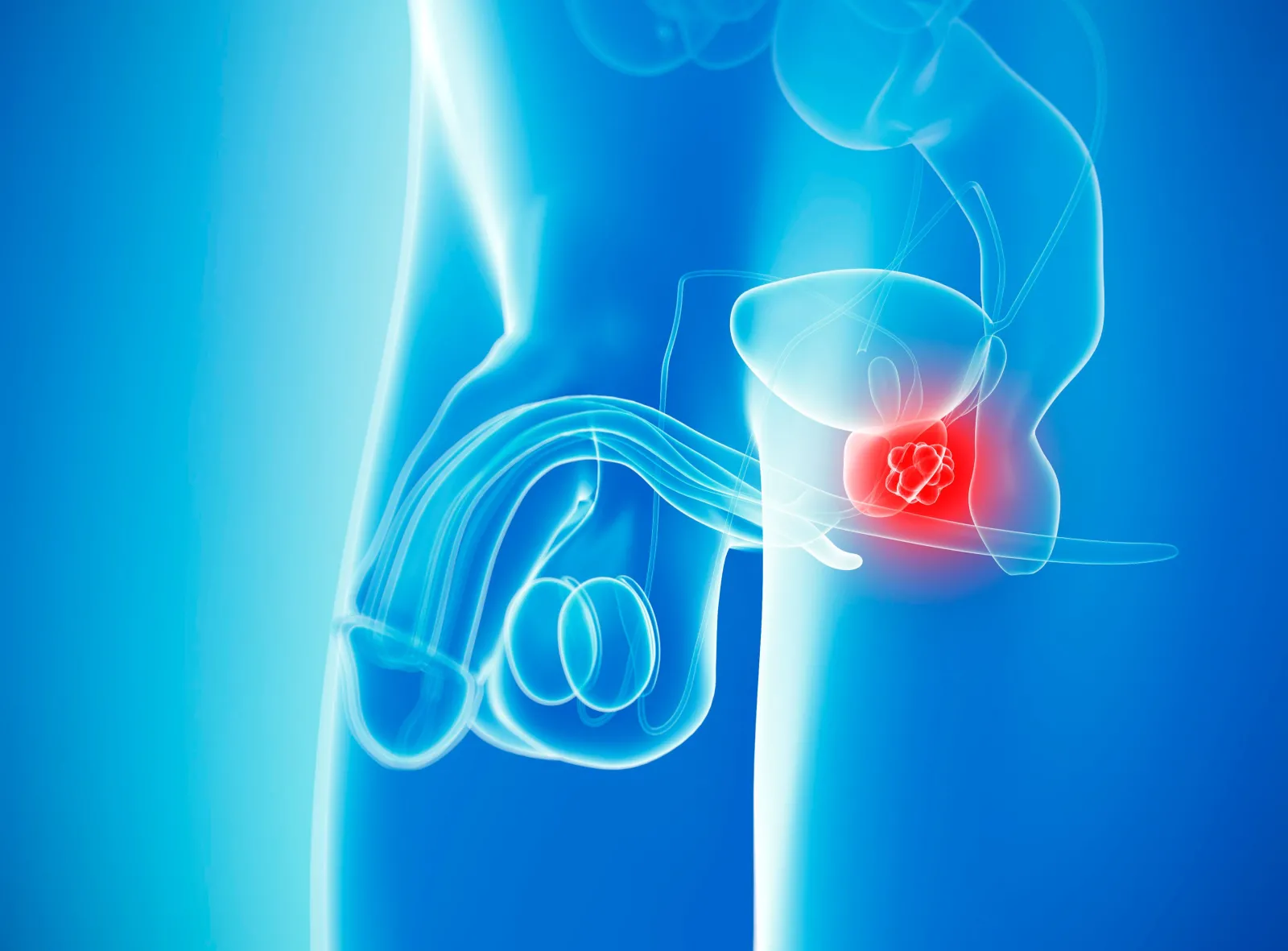
Prostate cancer often exhibits no symptoms at first, which complicates early diagnosis. Symptoms typically emerge when a tumour grows large enough to put pressure on the urethra, the tube through which urine passes. When this happens, men may experience difficulty starting urination, urinating more frequently, having a weak flow, or feeling as though the bladder has not emptied completely. The likelihood of developing the disease increases significantly from age 50 onwards.
Statistics illustrate the wide impact of the condition:
- One in eight men will get prostate cancer in their lifetime.
- It is the fourth most common cancer worldwide, and the most common in men.
- There are 64,000 new cases every year in the UK, and 1.4 million globally.
- Around 12,000 people lose their lives to prostate cancer annually in the UK and almost 400,000 around the world.
- Prostate cancer accounts for 28 per cent of all new cancer cases in men in the UK, and 14 per cent of all new cancer cases in men and women combined.
- Prostate cancer survival has tripled in the last 50 years in the UK.
- More than three-quarters (78 per cent) of patients survive for 10 or more years.
- About 490,000 men are living with and after prostate cancer in the UK.
- It is most common in men aged 75 to 79.
- Since the early 1990s, cases have increased by 53 per cent in the UK.
- Mortality rates are up 16 per cent since the early 1970s in the UK.
- Incidence rates are projected to rise by 15 per cent in the UK between 2023 to 2025 and 2038 to 2040.
- Mortality rates are expected to fall five per cent in the UK over the same years.
Researchers continue to study these biological mechanisms to determine how immune system data can translate into clinical tools for future patient care.