Suthra Punjab Launches QR Code System for Sanitation Complaints
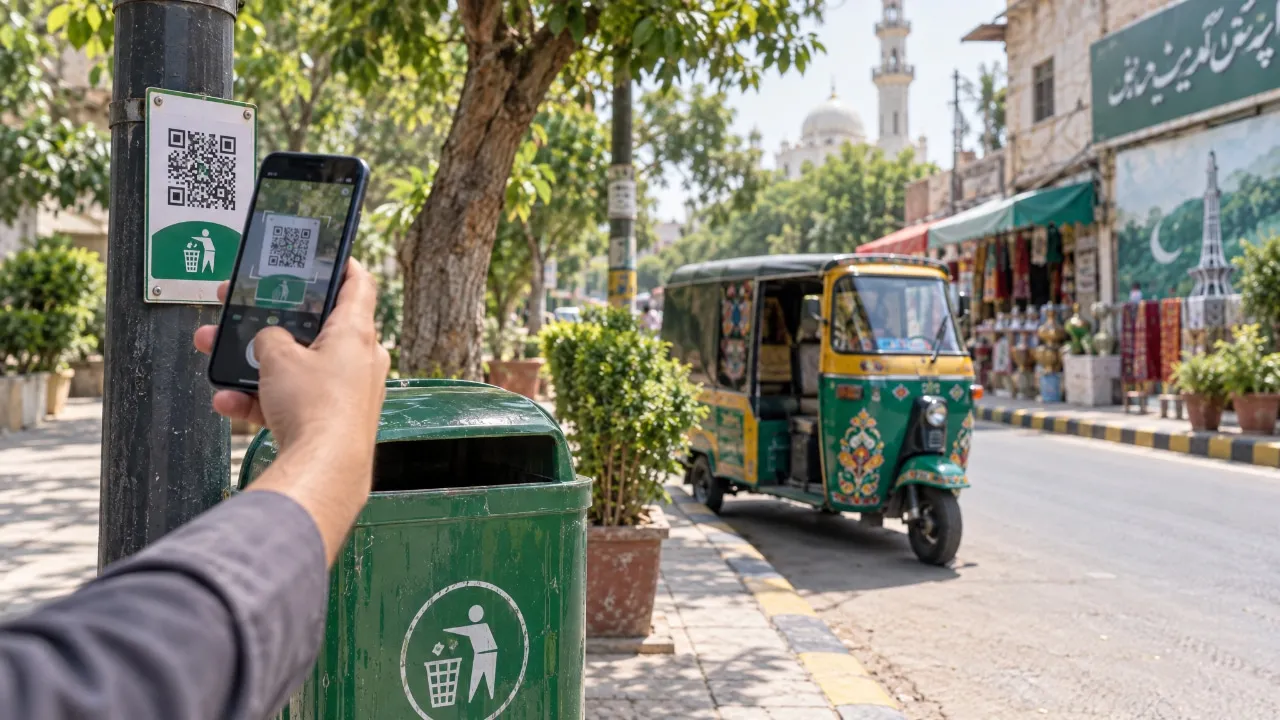
The Punjab government is introducing a QR code-based system to register and resolve sanitation complaints, letting citizens scan a code to view details of Suthra Punjab workers in their area and lodge feedback on the spot. This initiative marks a major shift toward digital governance in public service delivery across the region. Residents will soon find these codes displayed publicly, transforming how local communities interact with municipal authorities regarding cleanliness.
The decision was taken at a special meeting chaired by Chief Minister Maryam Nawaz Sharif to review the performance of the Suthra Punjab programme. Officials gathered to evaluate ongoing waste management efforts and plan the integration of modern digital tools to track performance in real time. By linking citizen feedback directly to municipal response teams, the administration intends to close the gap between public grievances and official action.
How the Suthra Punjab QR Code System Works
Under the proposed system, citizens can scan QR codes displayed at various locations to get information about sanitation workers deployed in their area and submit complaints about cleanliness. Public feedback will be collected through the same system, ensuring complete transparency in municipal operations. When a user scans the code with a smartphone, they access a digital portal showing worker schedules, assigned zones, and direct reporting channels.
This digital integration aims to eliminate bureaucratic delays that traditionally hinder municipal service delivery. Instead of calling helplines or visiting local offices, residents can register issues straight from their mobile devices while standing in the affected street. The platform automatically logs the location and timestamp, giving supervisors exact data to dispatch cleaning crews efficiently.
Chief Minister Directs Authorities to Resolve Complaints Within Hours
The chief minister directed authorities to resolve sanitation complaints within hours and ensure waste bins are installed at designated locations. Swift response times form the backbone of this new policy, preventing uncollected garbage from accumulating in residential neighbourhoods. Local administrators face strict deadlines to address registered grievances and update the digital system once tasks are completed.
She ordered cleanliness operations in villages at least twice a week, bringing structured waste management to rural populations that historically lacked consistent municipal services. The directives also mandate expedited door-to-door waste collection so households do not have to rely on informal dumping methods. An anti-littering squad will now remain visible in every district to deter illegal dumping and maintain public order.
Strict Penalties and Infrastructure Improvements
Authorities will impose fines on repeat offenders dumping waste in streets and drains, enforcing environmental rules more rigorously than before. This punitive measure targets individuals and businesses that disregard public cleanliness laws, protecting shared infrastructure from blockages caused by solid waste.
The plan also includes placing waste bins and drums in commercial markets and roadside vending areas to manage high-density litter production. She stressed that urban and rural areas must receive equal attention under the drive, ensuring no region is neglected in the broader sanitation overhaul.
Current Scale and Performance Metrics of Suthra Punjab
A briefing revealed the programme's scale, detailing the extensive groundwork completed across the province. Over 93,000 sanitation beats have been established across Punjab, creating structured zones of responsibility for deployed workers. Additionally, more than 51,000 vacant plots were identified as potential dumping sites that pose health and aesthetic hazards.
Efforts to clear these neglected areas have yielded tangible results, with waste cleared from around 30,000 plots to date. Maintenance crews also cleaned 8,376 drains, spanning 7,843 kilometres, to prevent water stagnation and urban flooding risks during seasonal rains.
Ensuring Worker Welfare and Regional Oversight
The meeting was also informed that the salary-payment target for all Suthra Punjab workers has been achieved, securing timely financial compensation for frontline sanitation staff. Fair wages and prompt disbursements remain critical to maintaining workforce morale and operational consistency across all districts.
The chief minister reviewed sanitation worker and machinery availability in 15 districts, including Dera Ghazi Khan, Rajanpur, Layyah, Muzaffargarh, Kot Addu, Gujranwala, Sialkot, Narowal, Gujrat, Mandi Bahauddin, Hafizabad, Multan, Vehari, Lodhran and Khanewal. The review also covered Faisalabad, Jhang, Chiniot and Toba Tek Singh, ensuring that heavy machinery and personnel allocations match regional demands.