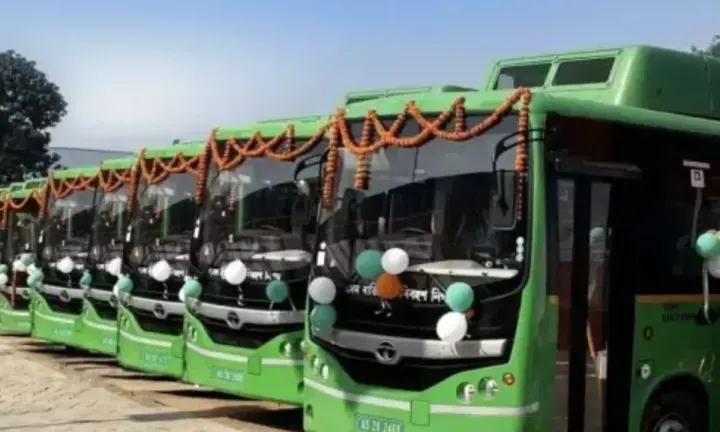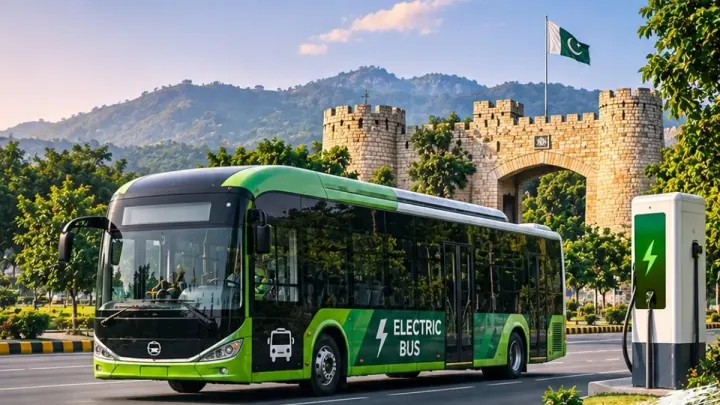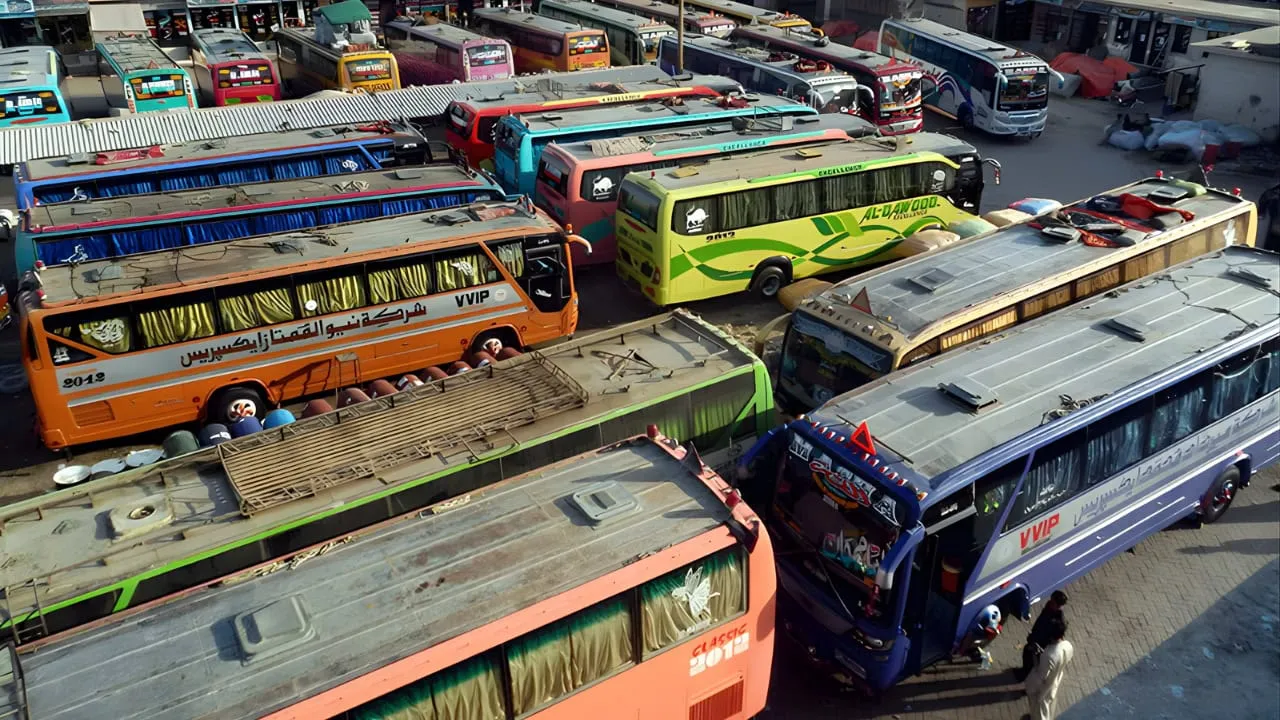
Public transport companies have reduced fares following a decrease in petroleum product prices, providing relief to passengers across affected routes.
Various transport operators have cut ticket prices by up to Rs. 100, while goods transport charges have also been reduced by up to 3%.
Why the Fare Cut Matters Now
The reduction comes after the federal government announced a cut in petroleum product prices earlier this month. Petrol and diesel prices fell by roughly 8 percent, a move intended to curb inflation and ease the cost of living for households. Because fuel is a major input for buses, vans and trucks, lower fuel costs translate directly into lower operating expenses for transport firms.
When fuel prices drop, the Ministry of Finance typically revises the fuel subsidy schedule, and the change is reflected in the price of petroleum products at the pump. Transport operators, whose profit margins are often thin, quickly adjust fare structures to stay competitive and avoid public backlash.
What the Lahore Regional Transport Authority Said
Lahore Regional Transport Authority (RTA) Secretary Rana Mohsin confirmed that transport companies have displayed revised fare lists at bus terminals. "The new fares will take effect immediately," he said, adding that the authority will act against any operator who continues to charge passengers according to old or higher rates.
RTA officials are conducting spot checks at major terminals such as Gulberg, Model Town and Anarkali. Drivers are being asked to show the updated fare sheets to passengers, and conductors are instructed to announce the new rates on board.
Punjab Transport Minister's Directive
Punjab Transport Minister Bilal Akbar Khan also issued a directive to officials, urging strict action against transporters overcharging passengers. "Public transport fares must be reduced in line with cuts in petroleum prices," the minister said.
He further instructed authorities to intensify enforcement against operators violating approved fare limits. The minister noted that the government's crackdown on smoke-emitting vehicles was also continuing, linking environmental concerns with fare regulation.
How the New Fare Structure Is Calculated
Transport operators use a fare matrix that takes into account distance, vehicle type and fuel consumption. With the fuel price cut, the matrix was revised to lower the per-kilometre charge. For example, a standard city bus route that previously cost Rs. 150 for a 10-kilometre trip now costs Rs. 50 to Rs. 100 less, depending on the operator's cost structure.
Goods transport charges, which are typically calculated as a percentage of the freight value or weight, have been reduced by up to 3 percent. This benefits small traders who rely on intra-provincial trucking to move produce, textiles and other commodities.
Impact on Daily Commuters and Businesses
Commuters in Lahore and surrounding districts stand to save a considerable amount each month. A daily worker who travels twice a day on a route that saw a Rs. 80 fare cut will save roughly Rs. 4,800 over a 30-day month.
Small businesses that ship goods by road will see lower logistics costs, potentially allowing them to lower retail prices or improve profit margins. The 3 percent reduction in freight charges can amount to savings of several thousand rupees for a typical truckload of agricultural produce.
Enforcement Mechanisms and Penalties
Both the RTA and the Punjab Transport Department have outlined a set of enforcement tools. These include:
- Spot inspections at bus terminals and major routes.
- Mandatory display of updated fare charts.
- Fines up to Rs. 50,000 for operators found charging old rates.
- Suspension of licences for repeat offenders.
Transport unions have been notified of the new rules and asked to cooperate with officials. Failure to comply could also trigger legal action under the Punjab Transport Act, which empowers the department to intervene when public interest is at stake.
Historical Context of Fare Regulation in Punjab
Punjab has a long history of regulating public transport fares. The first formal fare control measures were introduced in the early 1990s, when the provincial government set maximum fare limits for intra-city buses. Over the years, the policy has been revised to reflect inflation, fuel price volatility and changes in the transport fleet.
During the 2018 fuel price surge, the province temporarily lifted fare caps to allow operators to cover higher costs, a move that sparked public protests. The current reduction reverses that trend, aligning with the government's broader effort to keep inflation below 5 percent.
What to Watch for Next
While the fare cuts are immediate, the long-term effect will depend on the stability of fuel prices. If petroleum prices rise again, the transport department may revisit the fare matrix. Observers will also monitor how effectively enforcement actions are carried out, especially in peripheral districts where oversight is weaker.
Passengers are encouraged to verify fares at terminals and report any discrepancies to the RTA hotline. The department has pledged to publish a weekly compliance report on its website.
In summary, the coordinated effort by the Lahore RTA, the Punjab Transport Ministry and individual operators has produced a swift reduction in public transport fares and freight charges, offering measurable savings to commuters and businesses alike.