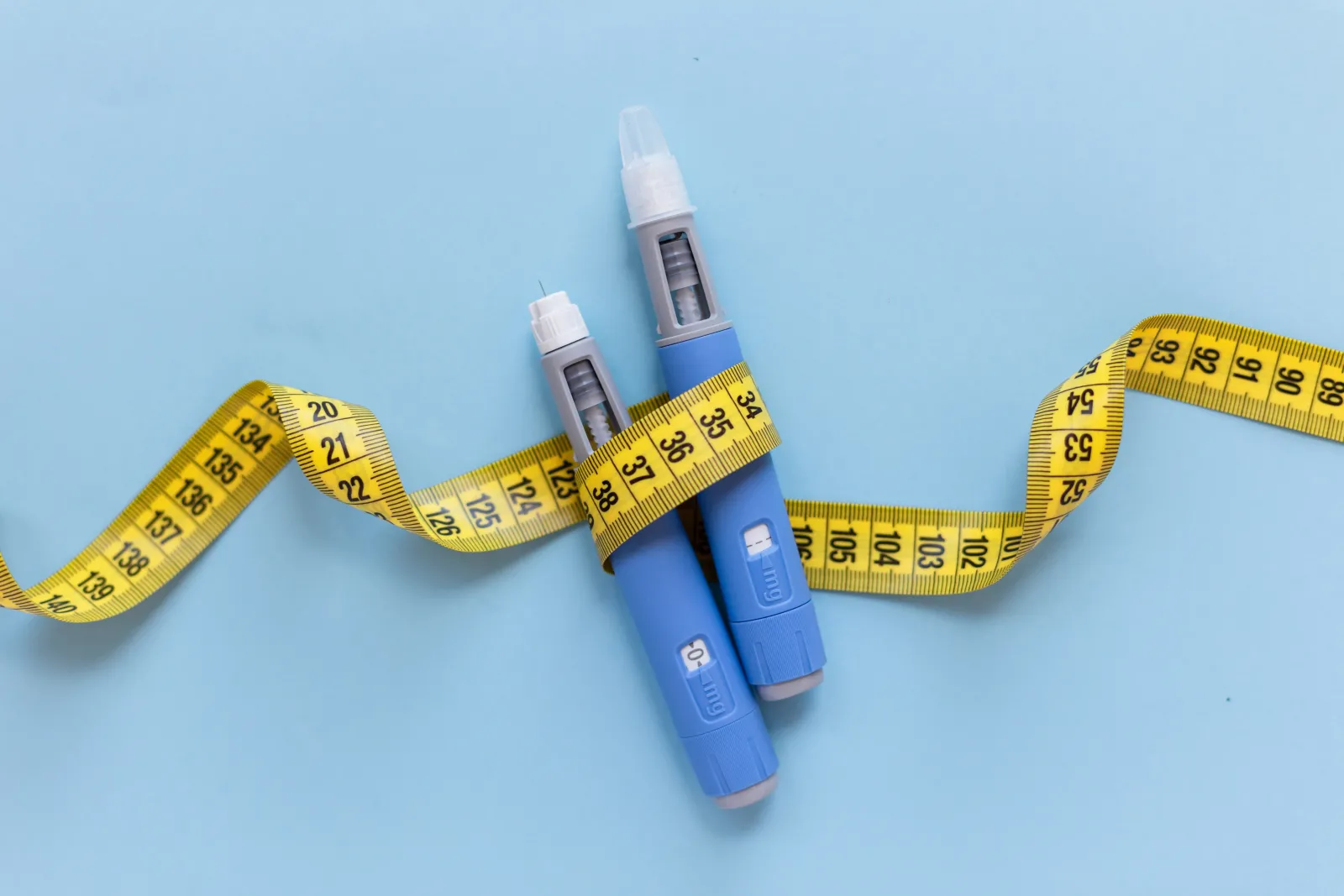
An experimental compound known as TOFA could help people lose 18 per cent of their body weight without requiring them to limit their food intake. While current treatments work by suppressing appetites so patients eat less, this promising new treatment promotes the body to burn more energy instead. Furthermore, the experimental compound preserves muscle mass, even when a significant amount of weight is lost during the process.
The weight loss industry has been transformed in recent years by popular medications such as Wegovy and Ozempic. However, these treatments, known as GLP-1s, come with notable drawbacks for users. People using the medication often experience extreme appetite suppression, which carries the risk of leaving them with nutritional deficiencies and unwanted muscle loss. Researchers at the University of California, Berkeley, have identified a potential alternative that speeds up the body metabolism without reducing appetite. The compound burns more energy than standard fat jab equivalents currently available on the market.
What Is TOFA and How Does It Work?
TOFA is a man-made compound that is currently in the early stages of testing. Scientists first created the compound back in the 1970s. Researchers at the time never developed it into a medicine, but they have recently taken another look at the substance after discovering it makes cells burn fat for energy. Unlike standard GLP-1 medications, TOFA does not mimic a natural hormone in the body. Instead, it acts directly on several pathways involved in human metabolism. The compound blocks specific enzymes involved in making new fat while simultaneously activating two proteins involved in the fat burning and energy making process.
How Effective Was TOFA in Animal Studies?
Once scientists understood how the compound operated, the next step involved testing its effects in a laboratory setting. In a recent study published in Science Advances, obese mice that received the drug lost around 18 per cent of their body weight in just four weeks. Crucially, the animals achieved this reduction without eating any less food than usual. Almost all of the weight the mice lost consisted of pure fat, with no significant muscle or lean tissue being lost during the four-week period.
Combining TOFA With Existing Fat Jabs
Following the initial trial, United States researchers carried out a second experiment. In this test, mice received a combination of TOFA and very low doses of existing fat jabs, specifically either semaglutide or tirzepatide. After 24 days, mice given the new drug alone had lost 8.7 per cent of their body weight. By comparison, mice given just semaglutide lost 6.7 per cent, while those given tirzepatide lost 4.5 per cent. When researchers combined TOFA alongside semaglutide, the mice experienced a massive 26.9 per cent drop in body weight. When TOFA was paired with tirzepatide, the weight loss reached 37.1 per cent.
Why Combining Weight Loss Treatments Works
Justin Lee, a researcher specialising in metabolic biology who led the study, explained the mechanics behind the dual treatment approach. He noted that the drugs work exceptionally well together because they act on complementary targets. The combination of a GLP-1 medication and TOFA reduces the amount of food being eaten while simultaneously increasing the total energy the body burns. Justin Lee also added that using smaller doses of semaglutide or tirzepatide could decrease common gut side-effects associated with those medications.
Safety Assessments and Next Steps for Human Trials
The mice in the study did not show any adverse side-effects from TOFA, but the drug has not yet been tested on humans. This lack of human trial data is especially important because the energy expenditure qualities of TOFA could potentially put strain on the heart. Researchers must conduct thorough investigations to ensure this heart strain does not occur in human patients. Naveed Sattar, a professor of metabolic medicine at the University of Glasgow, noted that new drugs helping people lose weight by increasing calorie burning represent an important advance. However, he emphasised that rigorous safety assessments will be essential before the compound can be approved for public medical use.